
Trump threatens to fire Fed Chair Powell


Trump's Threat to Fire Fed Chair Powell
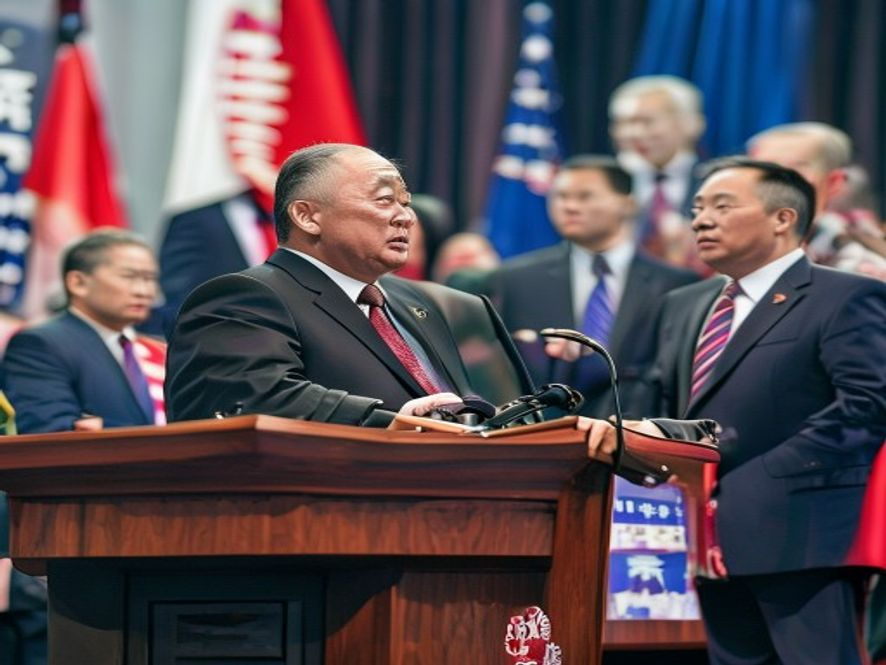
Washington, April 15, 2026 — President Donald Trump has renewed his attacks on Federal Reserve Chair Jerome Powell, threatening to remove him as the administration escalates pressure on the central bank over interest rates and economic policy. The latest threat has revived concerns about the Fed’s independence and injected fresh uncertainty into markets already focused on inflation, growth, and borrowing costs.
White House pressure
Trump has repeatedly criticized Powell for not cutting interest rates fast enough, arguing that the Fed has been too slow to support growth and lower the cost of borrowing for consumers and businesses. His latest threat to fire the central bank chief marks a sharper escalation in a long-running clash over how aggressively the Fed should respond to the economy.
The White House has framed the issue as one of economic management, with Trump presenting lower rates as necessary to support jobs, housing, and investment. Powell, by contrast, has defended the Fed’s data-driven approach, saying decisions must be based on inflation trends and the broader state of the economy rather than political demands.
Why it matters
A direct threat to remove the Fed chair would be highly unusual and politically explosive. The Federal Reserve is designed to operate independently of the White House so it can set monetary policy without short-term political pressure.
That independence matters because investors use the Fed’s credibility to judge how stable U.S. financial policy will be. Any perception that the central bank could be bent to political will risks unsettling bond markets, weakening confidence in the dollar, and raising questions about how the Fed would respond to future inflation shocks.
Market reaction
Trump’s comments are likely to intensify debate on Wall Street about the path of interest rates and the limits of presidential power over the central bank. Even without an actual firing, the threat alone can create volatility because investors may fear a more unpredictable policy environment.
Economists typically warn that political interference in rate-setting can backfire, especially if markets conclude that inflation risks are being downplayed for electoral or political reasons. That could push up long-term borrowing costs rather than reduce them.
Legal and political context
Whether a president can simply fire a Fed chair is a contested question that could trigger a legal fight and a constitutional test of executive power. Powell’s term and the structure of the Federal Reserve were designed to insulate monetary policy from direct political control.
The dispute also fits a broader pattern in which Trump has often challenged institutions he sees as obstructing his agenda. By taking on Powell directly, he is turning a technical economic debate into a high-stakes political confrontation with implications far beyond interest rates.

Sudipta Jana
An eclectic writer and fearless advocate, she lends her voice to animal rights and stands unwaveringly against sexual harassment.


