
Slovenia's Freedom Movement Party Leads Election


Voter shift signals demand for reform as coalition talks and policy direction come into focus

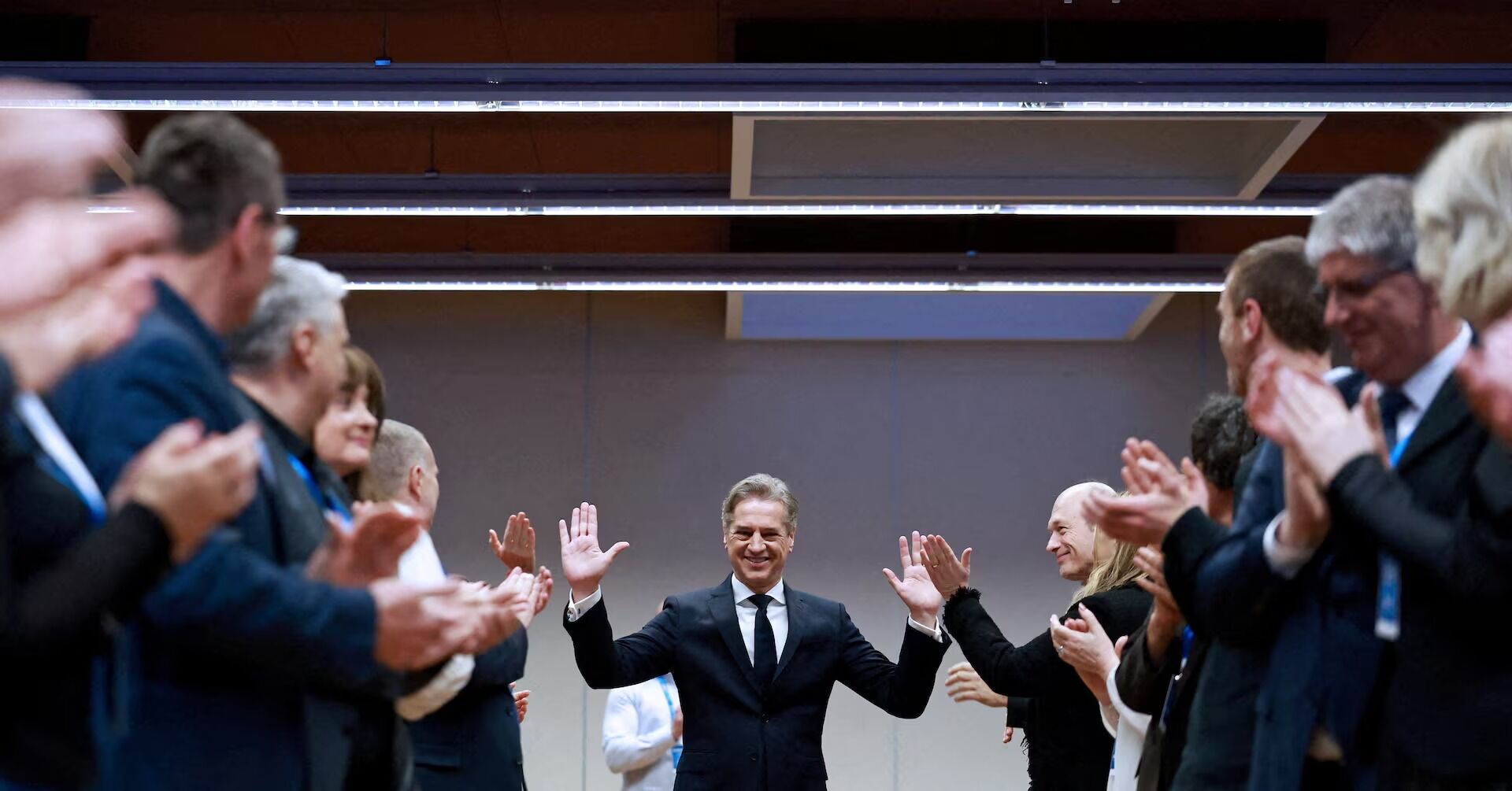
LJUBLJANA, March 22 – The Freedom Movement Party, led by its charismatic leader, has taken a narrow lead in Slovenia's parliamentary election, securing 29.9 percent of the votes, or 30 seats in the country's 90-seat parliament. This outcome, although a dip from its previous result of 41 seats, positions the party as a potential governing force in the country. The election results indicate a highly competitive race, with the opposition conservatives closely trailing behind.
Election Results and Implications
The Freedom Movement Party's narrow victory has significant implications for the country's political landscape. As the party with the most seats, it will have the opportunity to form a coalition government, potentially with other liberal or centrist parties. However, the party's reduced seat count compared to the previous election may limit its ability to push through its agenda without compromise. The election results also reflect the highly polarized nature of Slovenian politics, with voters divided between the governing liberals and the opposition conservatives.
Coalition Building and Government Formation
The Freedom Movement Party will need to engage in coalition building to form a stable government. This process is expected to be complex, given the diverse range of parties represented in the parliament. The party will need to negotiate with potential coalition partners, balancing its own policy priorities with the demands of its partners. The success of these negotiations will be crucial in determining the stability and effectiveness of the new government. The party's leader has already begun reaching out to other parties, signaling a willingness to engage in constructive dialogue.
Policy Priorities and Challenges
The Freedom Movement Party has campaigned on a platform of liberal economic policies, combined with a commitment to social welfare and environmental protection. The party's policy priorities include promoting economic growth, investing in education and healthcare, and addressing the challenges of climate change. However, the party will face significant challenges in implementing its agenda, given the country's fiscal constraints and the need to balance competing interests. The party will need to navigate these challenges while maintaining the confidence of its coalition partners and the broader electorate.
International Relations and European Integration
Slovenia's election outcome is also likely to have implications for the country's international relations, particularly within the European Union. The Freedom Movement Party has expressed a commitment to European integration and cooperation, and its leader has emphasized the importance of maintaining strong relationships with other EU member states. However, the party's reduced majority may limit its ability to negotiate effectively on the European stage, potentially impacting Slovenia's influence within EU institutions. The party will need to balance its domestic priorities with its international obligations, ensuring that Slovenia remains a constructive and engaged member of the European community.
Future Outlook and Challenges Ahead
As the Freedom Movement Party begins the process of forming a new government, it will face significant challenges in the months ahead. The party will need to navigate the complexities of coalition politics, balance competing policy priorities, and maintain the confidence of the electorate. The party's leader has signaled a commitment to constructive dialogue and cooperation, both domestically and internationally. However, the road ahead will be fraught with challenges, and the party's ability to deliver on its promises will be closely scrutinized by the Slovenian people and the international community. The future of Slovenia's government and its position within the European Union hang in the balance, as the Freedom Movement Party embarks on this critical new chapter in the country's history.

Sudipta Jana
An eclectic writer and fearless advocate, she lends her voice to animal rights and stands unwaveringly against sexual harassment.


