
Gulf Allies Bear Brunt of Iran Attacks


Iran’s widening strikes on Gulf allies target key oil and military hubs, heightening fears of regional war and global energy disruption
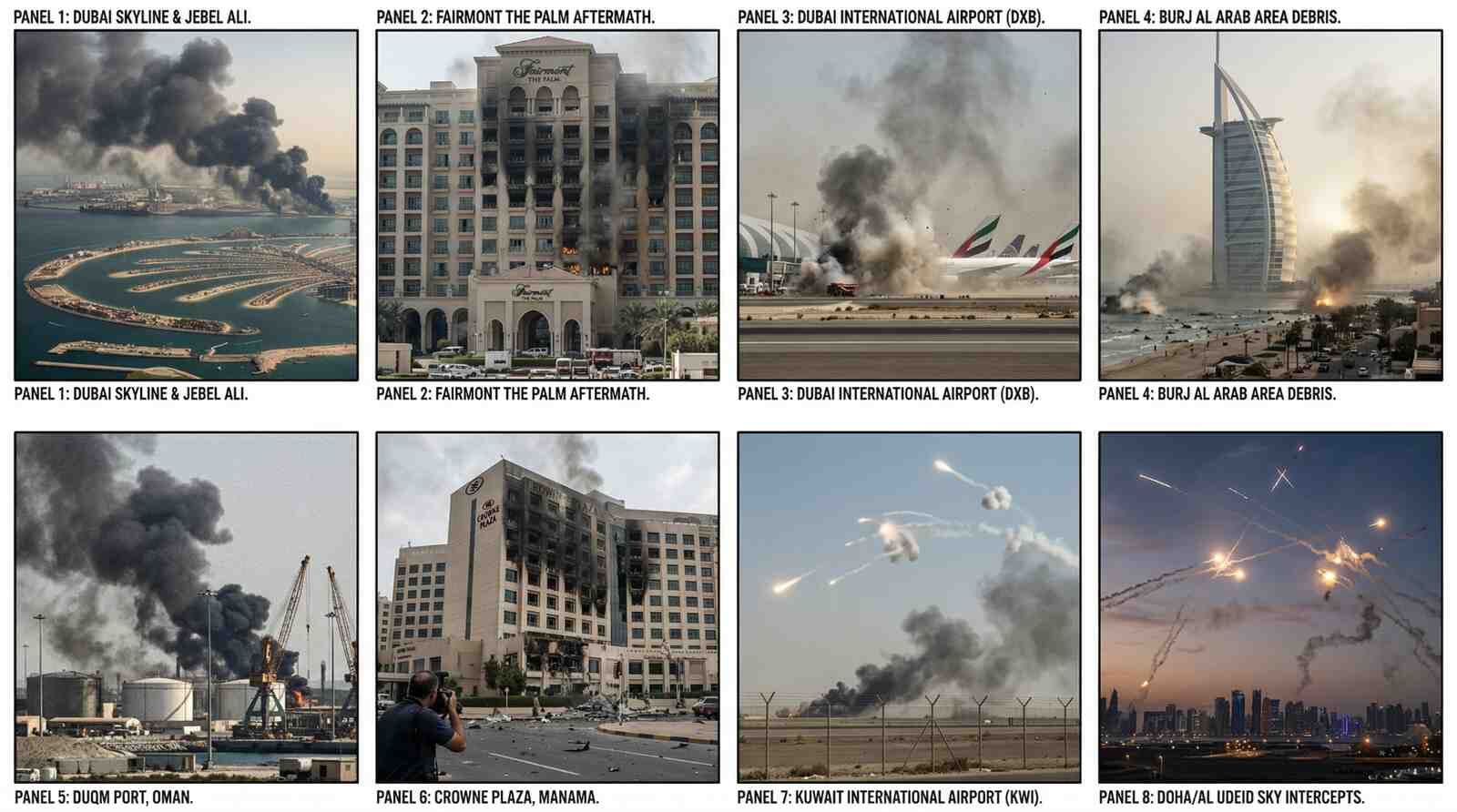
DUBAI, March 2, 2026 –The Gulf region has become a focal point of escalating tensions between Iran and its adversaries, with allies of the United States in the Gulf bearing the brunt of Iranian attacks. The situation has raised concerns about regional stability and the potential for further conflict. The Islamic Republic of Iran has been accused of launching attacks on oil tankers and facilities in the Gulf, highlighting the vulnerability of the region's critical infrastructure. The attacks have been seen as a response to the economic sanctions imposed on Iran by the United States and its allies.
Timeline of Iranian Strikes (Last 72 Hours)
🗓️ Feb 28 – March 1, 2026
Iran begins a wide retaliation following U.S.–Israeli strikes on Iranian territory:
🇦🇪 United Arab Emirates
• Dubai & Abu Dhabi (UAE) – Multiple missiles and drones struck parts of Dubai and Abu Dhabi, including areas around Palm Jumeirah and Burj Al Arab; debris and explosions disrupted civilian areas.
• Dubai International Airport & Abu Dhabi airport – Reported incidents and damage during Iranian strikes.
🇶🇦 Qatar
• Doha & Al Udeid region (Qatar) – Iranian missiles and drones targeted Al Udeid Air Base, a major U.S. military hub near Doha. Smoke and alerts were reported.
🇧🇭 Bahrain
• Jufair / U.S. Fifth Fleet area – Multiple strikes reported at U.S. Fifth Fleet facilities, with smoke rising over Manama.
🇰🇼 Kuwait
• Ali Al Salem Air Base (Kuwait) – Hits reported on this U.S. air base which hosts both American and Kuwaiti forces.
🇸🇦 Saudi Arabia
• Riyadh (Saudi Arabia) – Explosions and alerts reported from Iranian attacks; Saudi government publicly condemned Iranian strikes.
🇶🇦 Qatar & 🇰🇼 Kuwait (Civil Airports)
• Airports in Qatar and Kuwait reportedly heard alarms or experienced blast incidents during the strikes.
🗓️ March 1–2, 2026
Continued escalation of Iranian attacks beyond immediate military bases:
🇴🇲 Oman
• Duqm commercial port (Oman) – Two Iranian drones struck this port region; one expatriate worker was injured.
🇦🇪 & 🇶🇦 Gulf Cities
• Dubai, Doha & Manama – Additional blasts and shockwaves reported from Iranian missile/drone strikes.
(British Territory)
• RAF Akrotiri, Cyprus – Iranian-made drones targeted this British air base (not a Middle Eastern state but regionally significant) with runway impacts; increased security alerts followed.
Background to the Conflict
The conflict in the Gulf has its roots in the complex web of alliances and rivalries that have developed in the region over the years. The United States has long been a key player in the Gulf, with a significant military presence and close ties to many of the region's governments. Iran, on the other hand, has sought to expand its influence in the region, often at the expense of its rivals. The conflict has been fueled by a range of factors, including competing claims to oil and gas resources, sectarian tensions, and geopolitical rivalries.
Impact on Regional Stability
The attacks on Gulf allies have significant implications for regional stability. The Gulf is a critical region for global energy supplies, with many of the world's largest oil producers located there. Any disruption to oil supplies could have far-reaching consequences for the global economy. The attacks have also raised concerns about the ability of the United States and its allies to protect their interests in the region. The situation has been further complicated by the presence of other regional players, including Russia and China, which have their own interests and agendas in the Gulf.
International Response
The international community has been quick to condemn the attacks on Gulf allies, with many countries calling for restraint and diplomacy. The United States has been at the forefront of efforts to build a coalition to counter Iranian aggression in the region. However, the response has been complicated by differences in opinion among allies about the best way to address the situation. Some countries have advocated for a more robust military response, while others have pushed for a more diplomatic approach.
Economic Implications
The conflict in the Gulf has significant economic implications, both for the region and for the global economy. The attacks on oil tankers and facilities have raised concerns about the security of global energy supplies, leading to increased prices and volatility in the oil market. The situation has also had a negative impact on trade and investment in the region, with many companies hesitant to commit to projects in an area perceived as high-risk. The economic implications of the conflict are likely to be felt for some time, even if a resolution is found in the short term.
Future Outlook
The future outlook for the Gulf is uncertain, with many factors contributing to the complexity of the situation. The conflict between Iran and its adversaries shows no signs of abating, and the risk of further escalation remains high. The international community will need to continue to work together to find a solution to the crisis, one that addresses the underlying issues driving the conflict and provides a framework for long-term stability in the region. The situation in the Gulf will continue to be a major focus of attention for policymakers and analysts around the world, as the region's stability and security are critical to global prosperity and security.