
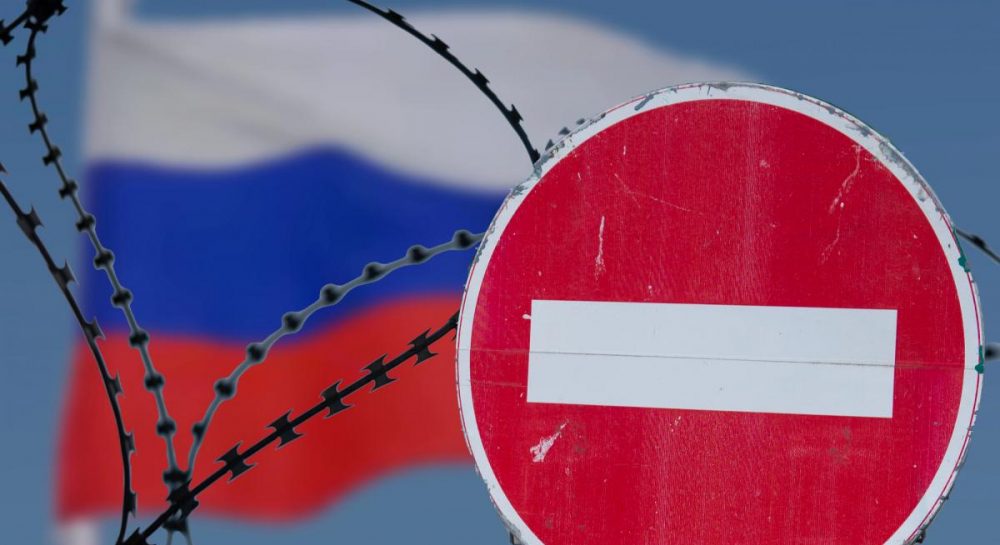
On November 16, 2026, the European Council announced a significant escalation in its financial pressure campaign against Russia, unveiling an expanded sanctions list targeting 113 new individuals and entities. The move represents the latest attempt to choke off funding for what the European Council describes as Russia's "war of aggression," targeting the financial networks that sustain the conflict. These sanctions add to the growing web of restrictions that have increasingly isolated Russia from global financial systems since the conflict began.
Among the most prominent additions to the sanctions list is Wildberries, the Russian e-commerce giant. By targeting this major online retailer, European officials aim to disrupt a significant revenue stream flowing directly to the Russian state. The company represents a crucial component of Russia's digital economy, connecting consumers with goods while generating substantial profits that can be redirected to military purposes. The inclusion of such a high-profile internet business demonstrates how modern sanctions have evolved beyond traditional financial institutions to encompass the digital marketplace.
The new sanctions package casts an especially wide net over Russia's financial sector, targeting nearly 50 banks and financial institutions. These measures effectively freeze the assets of these institutions within European jurisdictions and prohibit their executives from entering the European Union. By targeting such a large portion of Russia's banking system, European officials hope to severely restrict Russia's ability to conduct international transactions and access global financial markets. The banking sanctions represent one of the most comprehensive efforts to isolate Russia's financial infrastructure since the beginning of the conflict.
The banking sanctions represent one of the most comprehensive efforts to isolate Russia's financial infrastructure since the beginning of the conflict.
Beyond traditional banking and e-commerce, the new sanctions specifically target entities involved in Russia's energy exports, particularly those connected to the so-called "shadow fleet." These sanctions extend to companies based in the United Arab Emirates, China, Seychelles, and Oman that purchase Russian oil or facilitate its transport through unofficial channels. The "shadow fleet" refers to a network of tankers and shipping companies that help Russia bypass traditional export routes and sanctions, allowing the country to continue selling its oil at market prices despite international restrictions.

🇷🇺Sergey Lavrov said in an article titled “The World Economy and Its Links to International Security,” published in the newspaper Kommersant: ▪️Sanctions have cost Europe trillions and caused inflation in the United States, while Russia has suffered no significant losses; ▪️NATO’s claims to command in any maritime areas are unacceptable; freedom of navigation must be guaranteed to all countries; ▪️The EU has taken to openly seizing ships and stealing cargoes, and markets are being shaken by its geopolitical lawlessness; ▪️The diesel deal made an important contribution to energy security and brought fuel prices down; ▪️Since 2022, Russia has supplied Europe with $320 billion worth of energy resources; ▪️Ukraine is ignoring Trump’s calls to stop fueling the energy crisis, while Kiev is attacking critical infrastructure; ▪️The sabotage of the Nord Stream pipelines was carried out under London’s direction.
The international dimension of these sanctions reveals the complex web of actors that enable Russia to maintain its energy exports despite growing isolation. By targeting entities in multiple countries across different continents, European officials acknowledge that sanctions evasion has become a sophisticated, globally coordinated effort. The inclusion of companies from the Middle East, Asia, and Africa demonstrates how Russia has sought to build alternative supply chains that circumvent Western-controlled financial systems and shipping routes.
The European Council justifies these measures by emphasizing their role in reducing "a significant source of revenue for Russia's war of aggression." The language used by officials reflects a strategic approach to economic warfare, targeting not just the Russian state but the entire ecosystem that supports its military ambitions. These sanctions represent a calculated effort to make the continuation of the conflict increasingly costly for Russia, while attempting to minimize the impact on global energy markets and financial stability. As the conflict continues, such measures are likely to expand further, targeting new sectors and previously untouched segments of Russia's economy.