It began, for many watching the case unfold, with a strange image: a man in an Uber Eats uniform. Jesse Baird, a television presenter, and his partner, Luke Davies, were murdered on February 19, 2024. But the story of how their killer, Beau Lamarre-Condon, a former New South Wales police officer, was caught isn’t one of frantic escape or immediate remorse. Instead, it’s a story revealed through the relentless, silent record of CCTV cameras. Lamarre-Condon had, according to evidence presented in court, spent approximately four hours lying in wait, disguised as an Uber Eats driver, at Baird’s Paddington home. This wasn’t a crime of passion, the prosecution argued – it was planned.

Lamarre-Condon had previously worked at Balmain Police Station. On February 18, 2024, he left the station carrying his Glock pistol, a detail captured on security footage. This wasn’t a routine departure; he wasn’t on duty. The next day, the murders occurred. The fact that a serving officer would use his service weapon in such a manner was, in itself, a shocking element of the case. The victims were found at a rural property north of Sydney, and the investigation quickly focused on Lamarre-Condon.
The jury, tasked with sifting through the evidence, ultimately found Lamarre-Condon guilty of the double murder on November 25, 2026. He had attempted to argue that his actions after the killings – what he described as panic – demonstrated a lack of premeditation. He suggested his subsequent behavior wasn’t that of a calculating killer, but of a man overwhelmed. The jury, however, wasn’t convinced. Their decision hinged, in large part, on the sheer volume of CCTV footage that painted a very different picture.
The jury concluded that this behavior demonstrated awareness that police were investigating him, leading to his conviction.
Thousands of hours of footage from hundreds of locations showed Lamarre-Condon not in a state of panic, but appearing “composed and methodical,” as reported. He wasn’t frantically trying to cover his tracks; he was deliberately, almost calmly, attempting to do so. This wasn’t the behavior of someone reeling from an impulsive act, but someone actively trying to manage the aftermath of a planned crime.
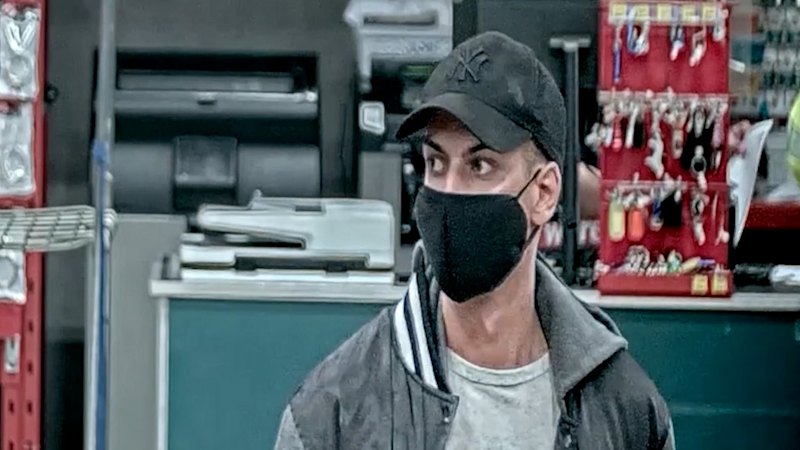
The details revealed by the CCTV footage were particularly damning. After the murders, while the bodies of Baird and Davies remained in his van, Lamarre-Condon made trips to Kmart and Bunnings, a hardware store. These weren't quick stops; they were deliberate purchases. But it was a trip on February 23, 2024, that proved especially significant. Lamarre-Condon bought white paint. The prosecution argued this wasn’t for a home improvement project, but to repair damage to his van.
Crucially, while purchasing the paint, Lamarre-Condon made a conscious effort to obscure his appearance. He attempted to disguise himself, a move the jury interpreted as a clear indication that he knew he was under investigation. This wasn't a man acting on impulse; it was someone aware of the scrutiny he was likely to face and actively trying to evade detection. The jury concluded that this behavior demonstrated awareness that police were investigating him, leading to his conviction.
The initial investigation was triggered by reports of gunshots. Three shots rang out at Baird’s home on February 19, 2024. Neighbors reported hearing the sounds, and police were quickly dispatched to the scene. The discovery of Baird and Davies’ bodies launched a full-scale investigation that would eventually lead back to Lamarre-Condon. The fact that the murders were committed with a firearm, and that the perpetrator was a former police officer, added another layer of complexity and public outrage to the case.

Beau Lamarre-Condon’s background as a former NSW police officer initially complicated the investigation. His knowledge of police procedures and investigative techniques likely informed his attempts to cover his tracks. However, it also meant he was immediately a person of interest. The investigation spanned multiple locations and involved extensive analysis of CCTV footage, ultimately building an airtight case against him. The case also drew attention from international media, including China Central Television, highlighting the global interest in the story.
While the CCTV footage was central to the conviction, it’s important to note the broader investigative work. Police in Bengaluru Police, India, were involved in the investigation, though the exact nature of their contribution remains unspecified. The meticulous collection and analysis of evidence, combined with the damning visual record, created a compelling narrative for the prosecution. Lamarre-Condon’s attempts to portray his actions as panicked reactions were ultimately undermined by the cold, hard evidence of his calculated behavior.
The Lamarre-Condon case serves as a stark reminder of the pervasive nature of surveillance in modern life. Thousands of CCTV cameras, often unnoticed, record our movements, creating a digital trail that can be crucial in solving crimes. In this instance, it wasn’t a single piece of evidence that led to the conviction, but the cumulative effect of countless hours of footage, revealing a pattern of deliberate and calculated actions.
Beau Lamarre-Condon now awaits sentencing. The case has left a profound impact on the community, particularly within the LGBTQ+ community, given the victims’ relationship. The focus now shifts to understanding the motive behind the murders, a question that remains largely unanswered. The case also raises questions about the screening and oversight of police officers, and the potential for abuse of power. The chilling composure revealed by the CCTV footage will undoubtedly be remembered as a defining element of this tragic case, a testament to the power of surveillance in the pursuit of justice.