
In the digital age, the internet flows through invisible pathways beneath the oceans, connecting continents through a network of submarine cables. Such is the case in Pakistan, where a fault in the SEA-MEWE 5 submarine cable system has triggered connectivity challenges for internet users across the country.
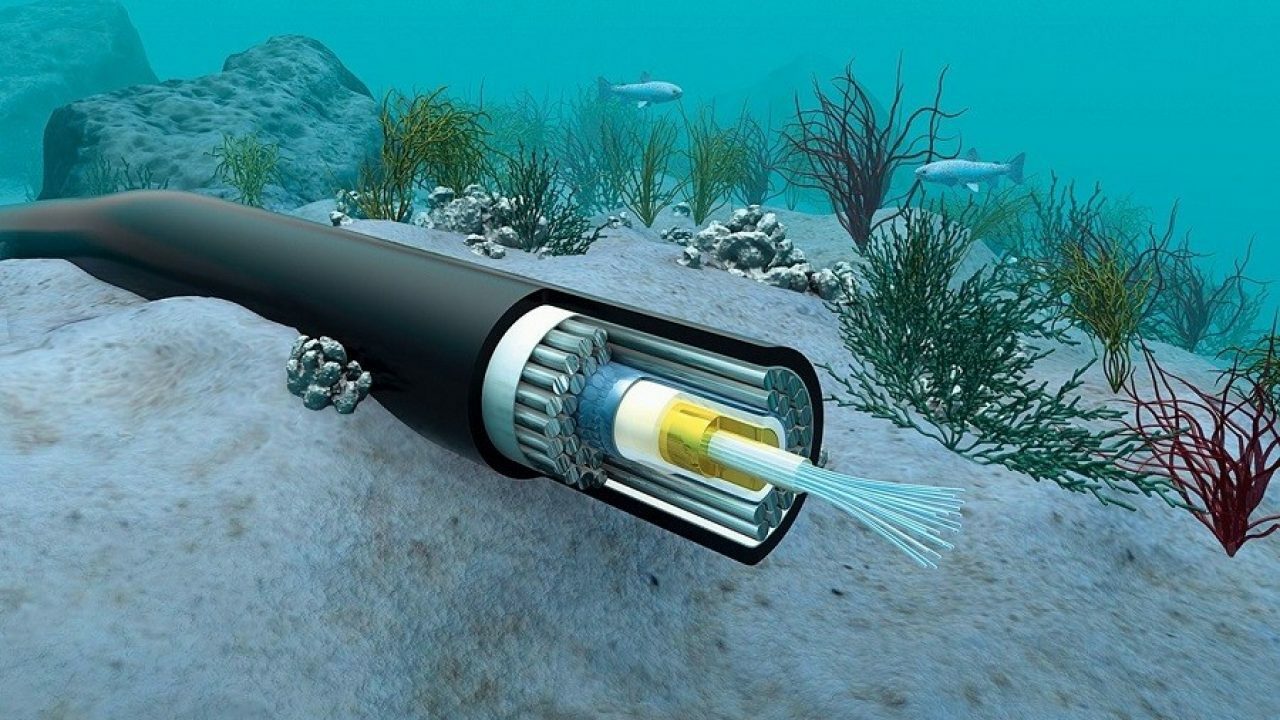
The fault has been detected approximately 11 kilometers from Pakistan's shoreline—a distance that might seem modest but represents a critical point in the complex web of global internet infrastructure. This particular cable system, SEA-MEWE 5 (South-East Asia-Middle East-West Europe 5), serves as a vital conduit for digital traffic between Europe, the Middle East, and Asia.

🚨BREAKING: A major undersea internet cable in the Gulf of Oman has suffered an unknown “fault” — Internet has dropped in Pakistan. These cables are crucial to Gulf State economies & connect them to global markets.
Submarine cables, though robust, are vulnerable to various disruptions—from natural disasters to accidental damage from ship anchors or fishing equipment. The specific cause of this particular fault remains under investigation as technical teams work to diagnose the problem. Transworld Associates, coordinating with the SMW5 Consortium, is leading efforts to identify the root cause and establish a timeline for repairs.
This technical maneuver helps minimize the impact on users while the primary cable system undergoes repairs.
For ordinary Pakistanis, this technical translation means experiencing intermittent connectivity issues and a potential decline in service quality. The disruption affects everything from business communications to personal internet usage, highlighting how dependent modern life has become on these underwater pathways.
In response to the disruption, internet service providers have implemented rerouting protocols, directing traffic through alternative links to maintain service continuity. This technical maneuver helps minimize the impact on users while the primary cable system undergoes repairs. The Pakistan Telecommunication Authority (PTA) is actively monitoring the situation, facilitating communication between stakeholders to ensure the earliest possible restoration of normal services.
The incident underscores the fragility of global internet infrastructure and the interconnected nature of our digital world. When a single cable experiences issues, the effects can ripple across international networks. This particular fault serves as a reminder of the importance of diverse routing options and robust infrastructure planning.
As the fault was recently detected, authorities continue to work toward a resolution. The collaborative effort between Transworld Associates, the SMW5 Consortium, and the PTA demonstrates the coordinated response required to address such technical challenges in the global internet ecosystem.

While the immediate focus remains on restoring normal connectivity, the incident also prompts consideration of long-term strategies to enhance the resilience of Pakistan's internet infrastructure. As digital connectivity becomes increasingly essential to economic and social development, ensuring the reliability of these critical pathways remains a priority for telecommunications authorities worldwide.