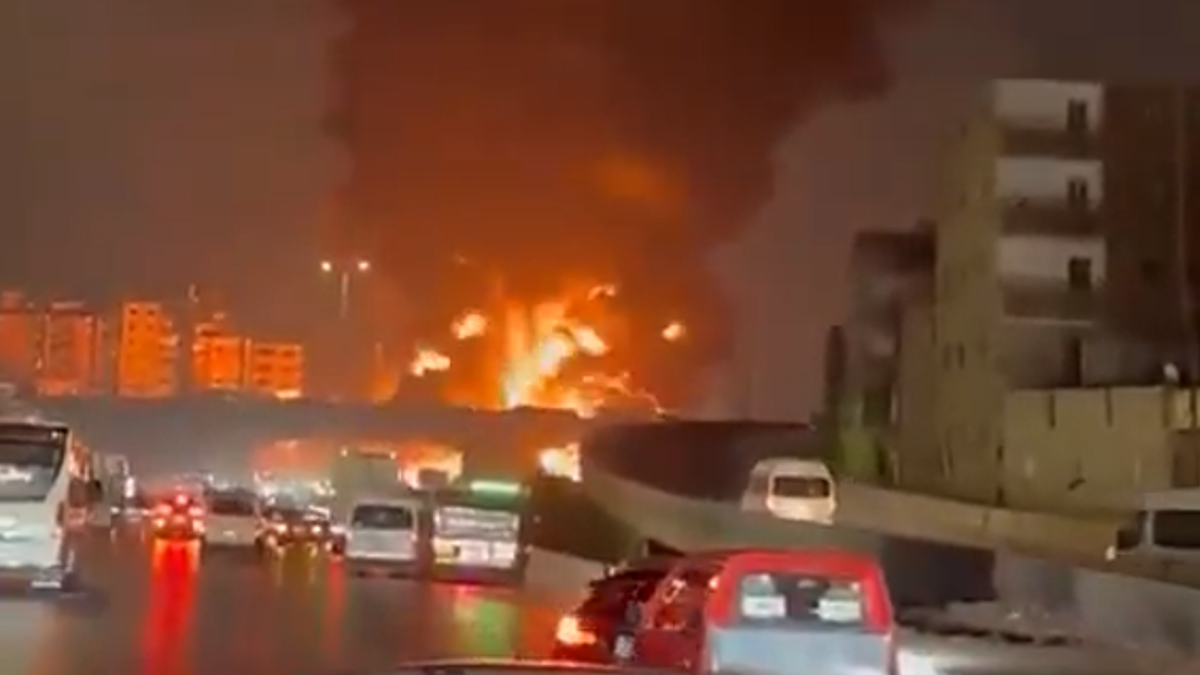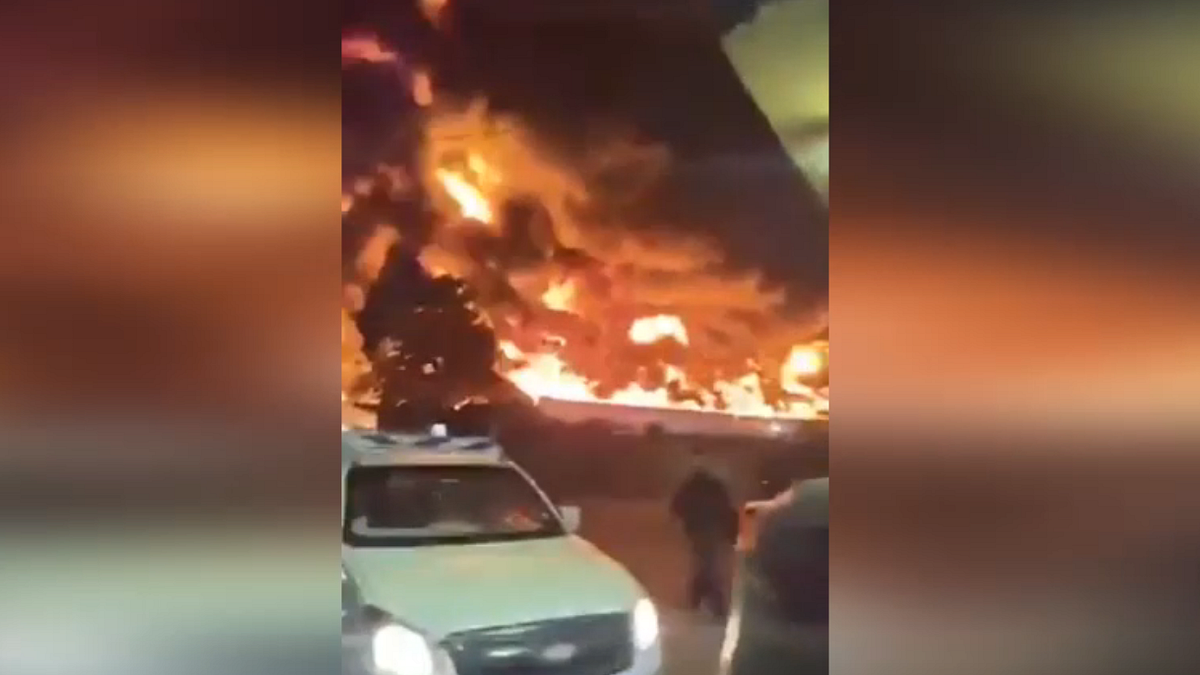
In the dense, rhythmic pulse of Cairo, the ring road serves as a vital artery, a constant flow of movement that defines the city's daily life. But on November 25, 2026, that rhythm was shattered by a sudden, violent eruption. In the Al Warraq area, near the city center, the routine of the rush hour was replaced by a scene of absolute devastation. A truck, tasked with the heavy responsibility of transporting gas cylinders, became the epicenter of a catastrophe that would change the landscape of the afternoon in an instant.
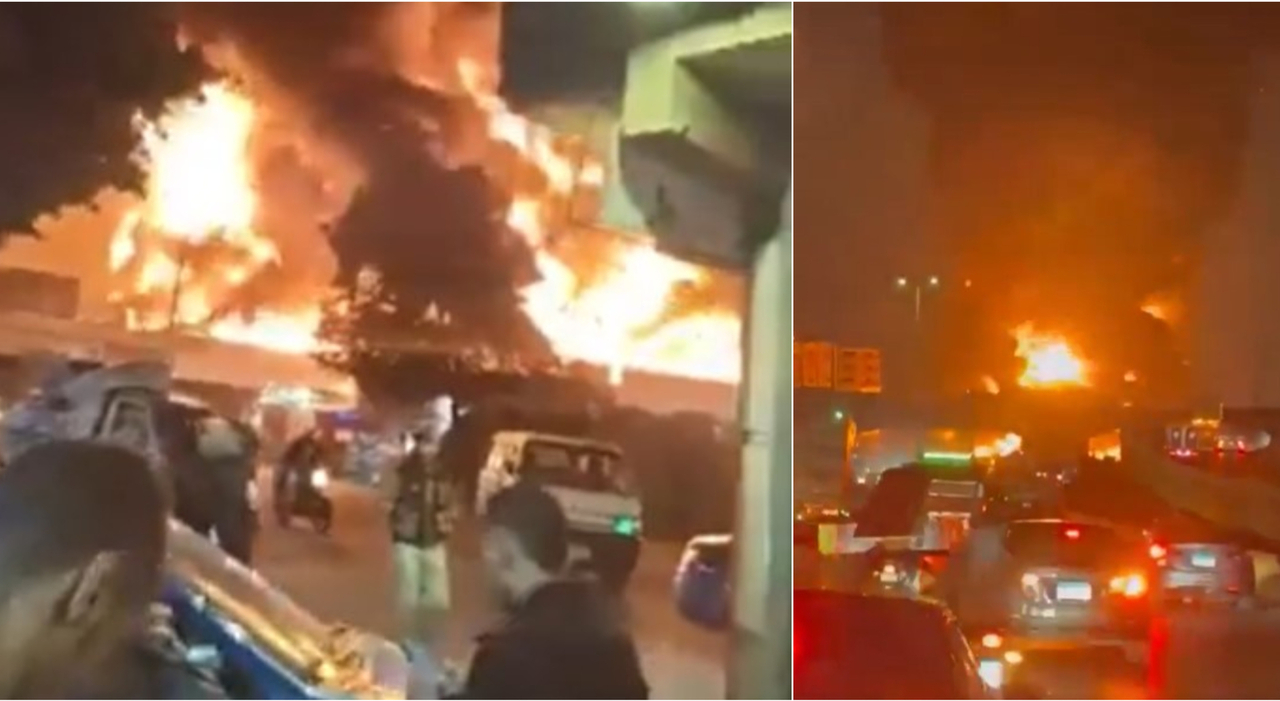
The explosion was not merely a sound; it was a transformative event. When the truck carrying the pressurized gas cylinders ignited, the resulting blast triggered a violent fire that did not stay confined to the vehicle itself. Instead, the flames surged outward, engulfing several other vehicles caught in the congestion of the ring road. For those traveling near the tunnel in the Al Warraq district, the suddenness of the event turned a standard commute into a fight for survival as the fire spread rapidly through the traffic.
As the smoke cleared and the immediate terror subsided, the true cost of the explosion began to emerge. The numbers tell a story of profound loss. At least 30 people lost their lives in the blast and the subsequent fire, a staggering figure for a single transit incident. Beyond the fatalities, the impact on the living was equally severe, with at least 15 others suffering injuries as the flames tore through the vehicles on the roadway.
Fighting a fire of this nature is a specialized and perilous endeavor.
The response to the carnage was massive and immediate. As the fires raged, the scale of the emergency required a significant deployment of resources to manage the chaos. A fleet of 39 ambulances raced toward the Al Warraq area, working to navigate the wreckage and provide critical care to the injured. This massive medical mobilization was matched by the arrival of civil protection teams, who faced the daunting task of battling a fire fueled by pressurized gas cylinders.
Fighting a fire of this nature is a specialized and perilous endeavor. The presence of gas cylinders meant that the civil protection units were not just fighting a standard vehicle fire, but a volatile chemical event. Through their coordinated efforts, the civil protection teams eventually managed to tame the flames, preventing the fire from spreading further along the ring road and securing the site after the initial violent eruption had passed.
The scale of the tragedy reached the highest levels of the Egyptian government. In the wake of the disaster, President Abdel Fattah al-Sisi and Prime Minister Mostafa Madbouly addressed the catastrophe. Recognizing the weight of the loss felt by the families of those caught in the Al Warraq explosion, both leaders issued orders to ensure that necessary support is provided to the families of the victims and to those who were injured in the blast.
Today, the area near the tunnel remains a site of reflection for a city shaken by the event. The ring road, once just a path through the city, is now inextricably linked to the memory of November 25. As the government moves to provide support to the bereaved, the community is left to process the suddenness with which a routine journey turned into a national tragedy.