
In the world of football, certain cathedrals hold more than just spectators; they hold the ghosts of a century’s worth of triumphs and heartbreaks. For over one hundred years, the Mestalla stadium has stood as a bastion of Spanish football, a place where the grass has been trodden by generations of legends. But as the Spanish Football Federation (RFEF) recently confirmed, the era of the old Mestalla is drawing to a close. The stadium is set to shut its gates at the end of the current season, making way for a new era and a new stadium. This impending closure transforms every upcoming fixture into a piece of living history, a final chance to witness the atmosphere of a venue that has defined the sport for a century.
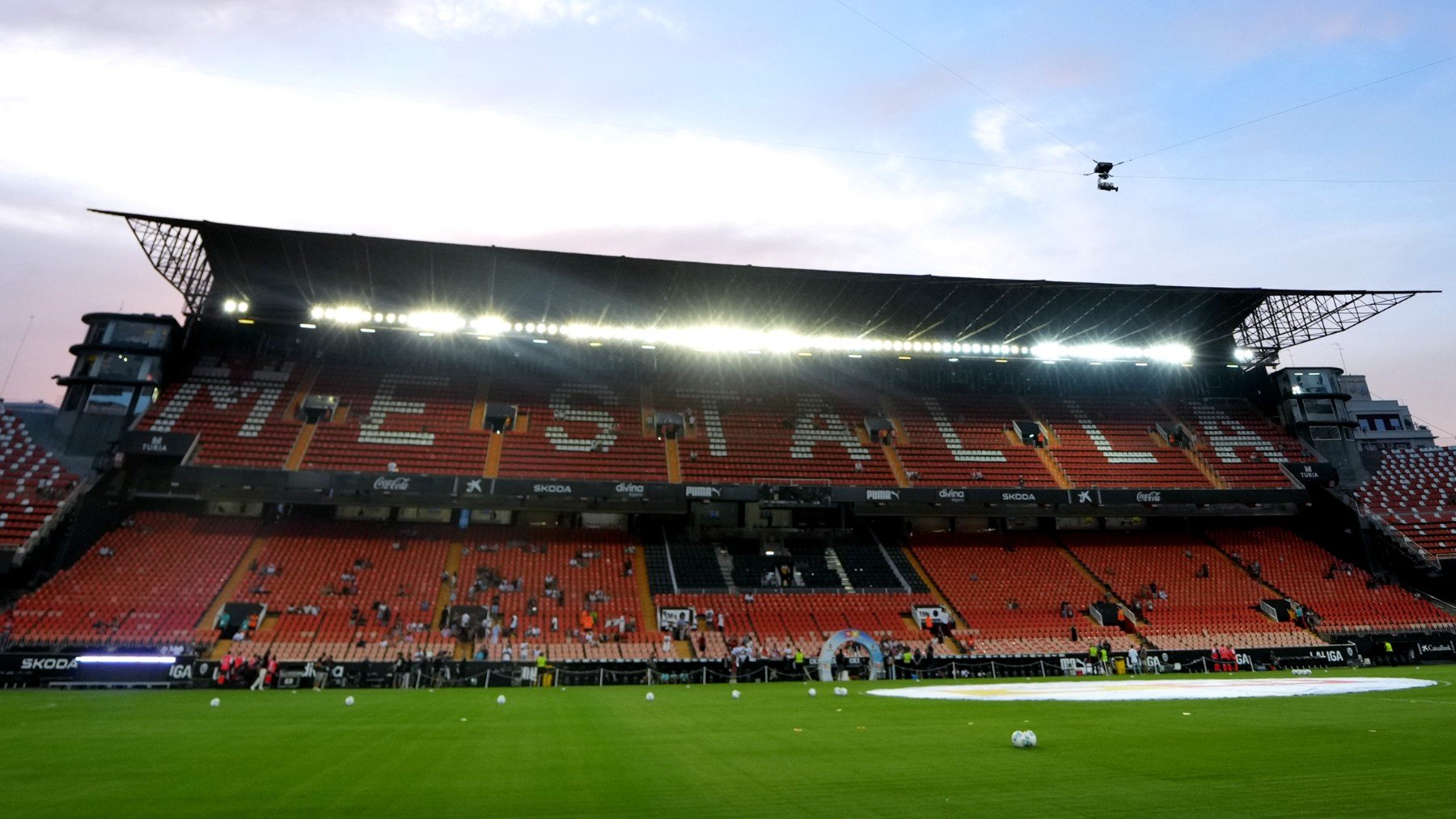
This sense of finality is set to reach a fever pitch on March 25, 2025. On that Holy Thursday, the RFEF has designated the Mestalla as the stage for the first leg of a massive UEFA Nations League quarter-final showdown: Spain versus France. It is a matchup of giants, a clash between two of Europe's most storied footballing powers, occurring at a moment when the venue itself is transitioning from a permanent fixture of the landscape to a memory. The stakes could not be higher, as the quarter-final format demands nothing less than absolute precision and intensity.
For the Spanish national team, the Mestalla is more than just a pitch; it is a fortress. There is a statistical weight to the air when the Spanish squad steps onto this turf, a psychological edge built over decades of dominance. Spain has maintained an extraordinary unbeaten streak at the Mestalla that has spanned 32 years. To find the last time the Spanish side tasted defeat on this ground, one must look back to March 1994. Since then, the stadium has become a place where opponents arrive with hope but often leave with the realization that the ground is nearly impossible to conquer.
When one considers the scale of the Mestalla’s contribution to the sport, the milestones are staggering.
This upcoming clash against France will not just be another match in the record books; it will be the 34th time the Spanish national team has taken to the Mestalla. The history etched into the stands is deep and varied. Of the matches played here by the national side, 15 have been official competitive fixtures, while 18 have been played as friendly matches. This blend of high-pressure tournament football and the experimental nature of friendlies has allowed the stadium to host the full spectrum of the international game, building a legacy that is as diverse as it is long.
When one considers the scale of the Mestalla’s contribution to the sport, the milestones are staggering. The venue has been a witness to the highest levels of global competition, having hosted matches during the 1982 World Cup. That tournament remains a cornerstone of footballing history, and the Mestalla was a vital part of that global stage. As the team prepares for the Nations League, they do so walking in the footsteps of those who competed in the most prestigious tournament on earth, adding another layer of gravity to the March 25 encounter.
As the RFEF noted when confirming the venue, this match represents an opportunity to "write the last chapter of a centennial history." It is a poetic, if somewhat bittersweet, framing for a quarter-final. The transition from the old Mestalla to a new stadium marks the end of a physical era, but the matches played within these walls serve as the final punctuation marks on a century-long sentence. The upcoming fixture against France is the penultimate step in this closing narrative, a high-octane spectacle before the lights go out on the historic site.
While the eyes of the footballing world will be fixed on Valencia for the first leg, the battle is far from over. The drama of the Nations League quarter-final is a two-act play. Following the intense atmosphere of the Mestalla, the narrative shifts to France. On Sunday, March 28, the return leg will take place on French soil, where the second half of this high-stakes encounter will decide which nation advances. The tension built during the Holy Thursday match will carry over across borders, as the winner of the first leg seeks to defend their advantage in a hostile away environment.
As the current season winds down, the footballing landscape in Valencia is shifting. The decision to replace the current Mestalla with a new stadium ensures that the city remains a hub for the sport, but it also signals the end of a specific kind of magic. The upcoming match against France serves as a bridge between what was and what will be—a final, grand celebration of a century of football before the old walls are retired and a new chapter begins.