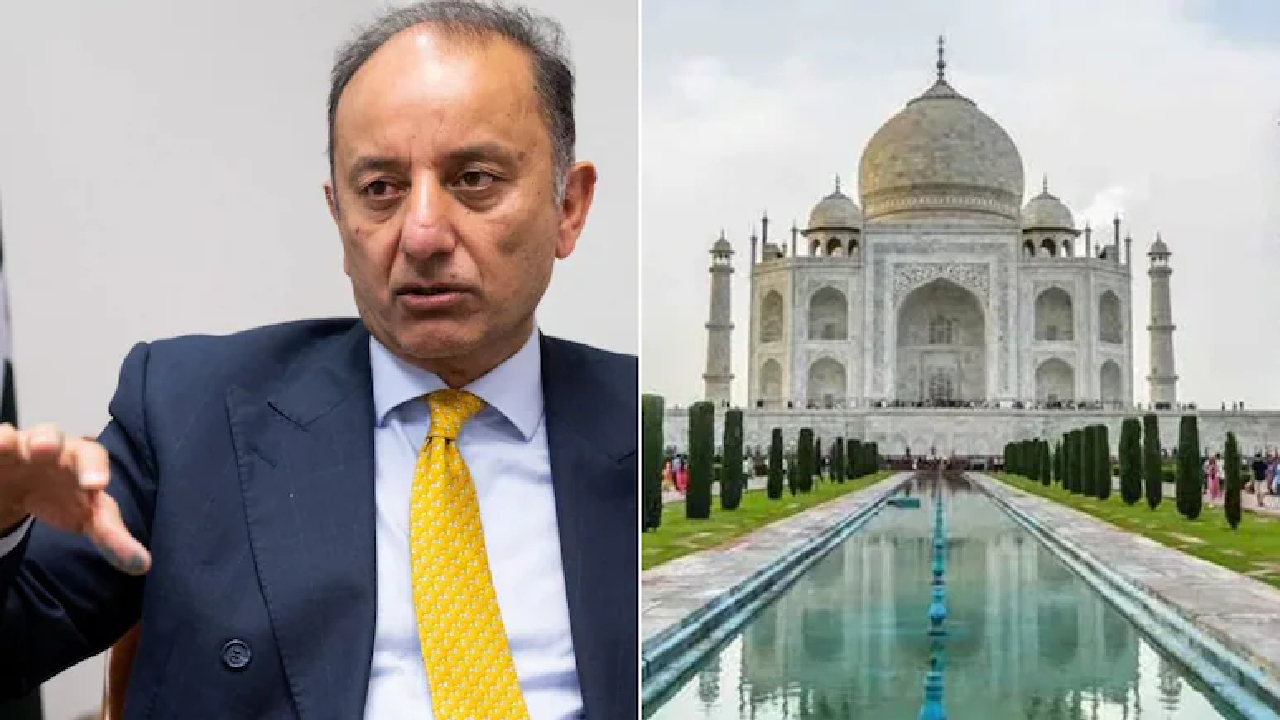
The air in Agra is usually thick with the scent of dust and the sound of cameras clicking around the white marble of the Taj Mahal. It is one of the most visited landmarks on Earth, a symbol of romantic devotion that draws millions every year. But for Musadik Malik, a minister from Pakistan, the path to that iconic dome was recently closed off. His travel itinerary for an upcoming visit to the Indian capital was trimmed down, not by logistics, but by politics. The Indian government denied his request to visit the Taj Mahal and the historic Nizamuddin Dargah in New Delhi, instructing him to limit his movements strictly to functions related to the Shanghai Cooperation Organisation (SCO).

Malik is scheduled to participate in the first SCO Civilian Dialogue Forum, a gathering set to take place from November 20 to 22 at the historic Purana Qila site. This multilateral group, which includes major Asian powers, serves as a platform for security and economic cooperation. For this specific meeting, however, the diplomatic atmosphere is charged with the residual tension of recent regional conflicts. The central government in New Delhi has drawn a firm line: while Malik is welcome as a delegate of the SCO, he is not welcome as a tourist. His activities are now strictly confined to the forum’s proceedings, barring any side trips to culturally or politically sensitive sites.
This restriction is not merely bureaucratic; it is a direct response to the current state of security in the region. Malik’s visit marks the first trip by a Pakistani federal minister to India since the Pahalgam terror attack, a tragic event that significantly escalated tensions between the two neighbors. The attack was followed by Operation Sindoor, a series of military strikes that further solidified the hostile environment. In this context, allowing a high-ranking official from a neighboring state to roam freely through India’s iconic heritage sites would be seen by many domestic observers as a failure to respect the seriousness of the security threat. The denial of access to places like the Taj Mahal, which often hosts high-profile diplomatic engagements, signals that the usual protocols of warm, cultural hospitality have been suspended in favor of strict security containment.
They argue that the government should have prioritized national security over multilateral diplomacy.

As reported by Indian media Musadik Malik is allowed to visit Taj Mahal now…
The roots of this friction trace back to October 28, when India announced its invitations to all SCO member nations, including Pakistan. While the SCO is a multilateral body designed to foster stability, inviting a country with whom one has active security disputes is always a calculated diplomatic risk. Pakistan subsequently confirmed that Malik would be attending. The Pakistani government framed this participation positively, stating, “We are committed to fostering dialogue between civilizations and promoting people-to-people connections under the SCO framework with mutual respect.”
However, the invitation did not pass unnoticed in India’s political sphere. Opposition parties have launched a sharp critique of the government for extending the invite to the Pakistani minister at all. For many domestic critics, the very presence of a Pakistani official in New Delhi, let alone one who was granted the initial invitation, is viewed through the lens of recent aggression and terror attacks. They argue that the government should have prioritized national security over multilateral diplomacy. This internal political pressure likely contributed to the decision to tightly leash Malik’s movements once he arrives, ensuring that his presence remains a functional part of the SCO rather than a symbolic victory for the other side.

Pak Minister Wanted To Visit Taj Mahal, Nizamuddin, Centre Said No: Sources https://t.co/jgvCGNn8aV @RishabhMPratap https://t.co/sxxKVGIzOV
Despite the restrictions on Malik, the broader context of the SCO remains active. The organization has been a key platform for regional engagement, with previous meetings, such as the one held in Goa, drawing significant attention from delegations across the continent. The current forum in Delhi aims to explore civilian and civilizational aspects of the cooperation, moving beyond just military and security talks. For Pakistan, the emphasis on “people-to-people connections” suggests a desire to maintain a channel of communication even when direct bilateral relations are strained. The denial of the Taj Mahal visit underscores a stark reality: while the multilateral framework provides a table for these countries to sit at, the social and political capital required for genuine, relaxed interaction remains scarce.
The Indian government’s stance is one of careful neutrality, at least in its official communications, but its actions speak to a different reality. By limiting Malik to the SCO-specific functions, New Delhi is managing the optics of the event. It acknowledges the legitimacy of the SCO process while simultaneously demonstrating that the domestic political climate and security concerns take precedence. The Nizamuddin Dargah, a significant Sufi shrine in Delhi, and the Taj Mahal are both sites of immense cultural resonance. Denying access to them is a symbolic gesture, telling the Pakistani delegate that the door to broader cultural exchange is currently closed.

#Pakistan minister Musadik Malik, who came to India, can visit the Taj Mahal but was not given permission to visit Nizamuddin Dargah
As the dates for the Civilian Dialogue Forum approach, the world watches to see how these two nations navigate the narrow corridor of diplomacy. Malik will attend the forum, engage in discussions, and then depart, his journey confined to the boundaries set by his hosts. The incident highlights how even in established multilateral organizations, the shadows of bilateral conflicts can dictate the terms of engagement. For now, the marble of the Taj Mahal remains out of reach for the Pakistani minister, a white monument standing silent in a region where silence is often the most potent form of communication.