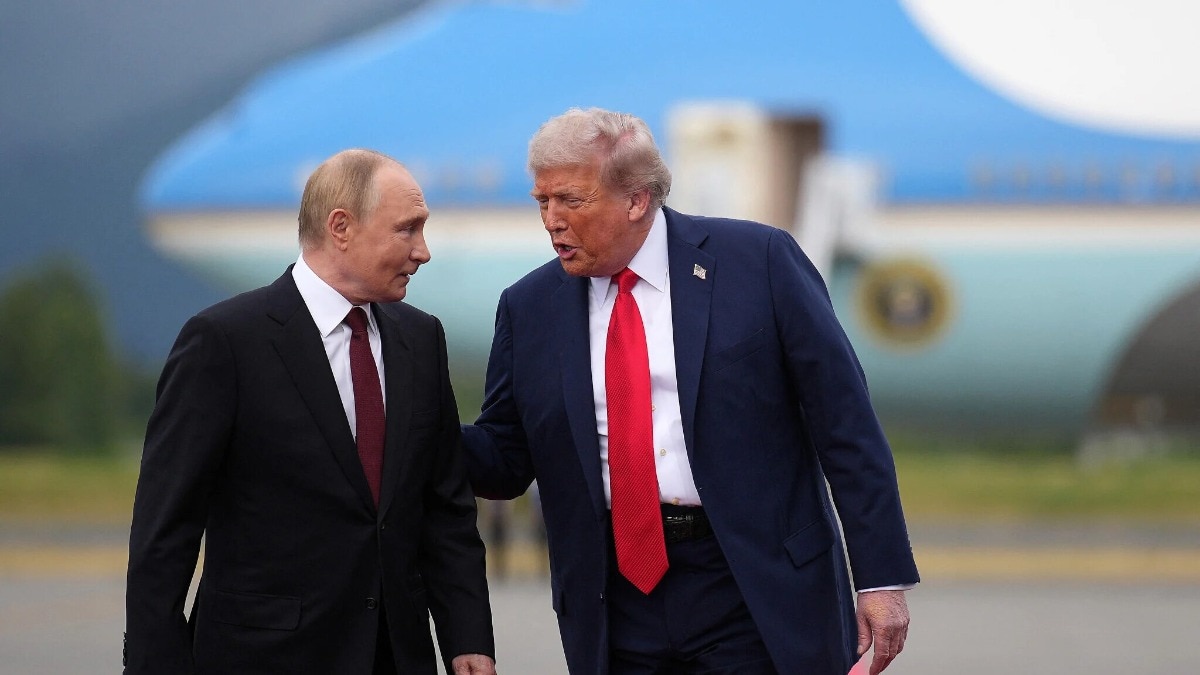
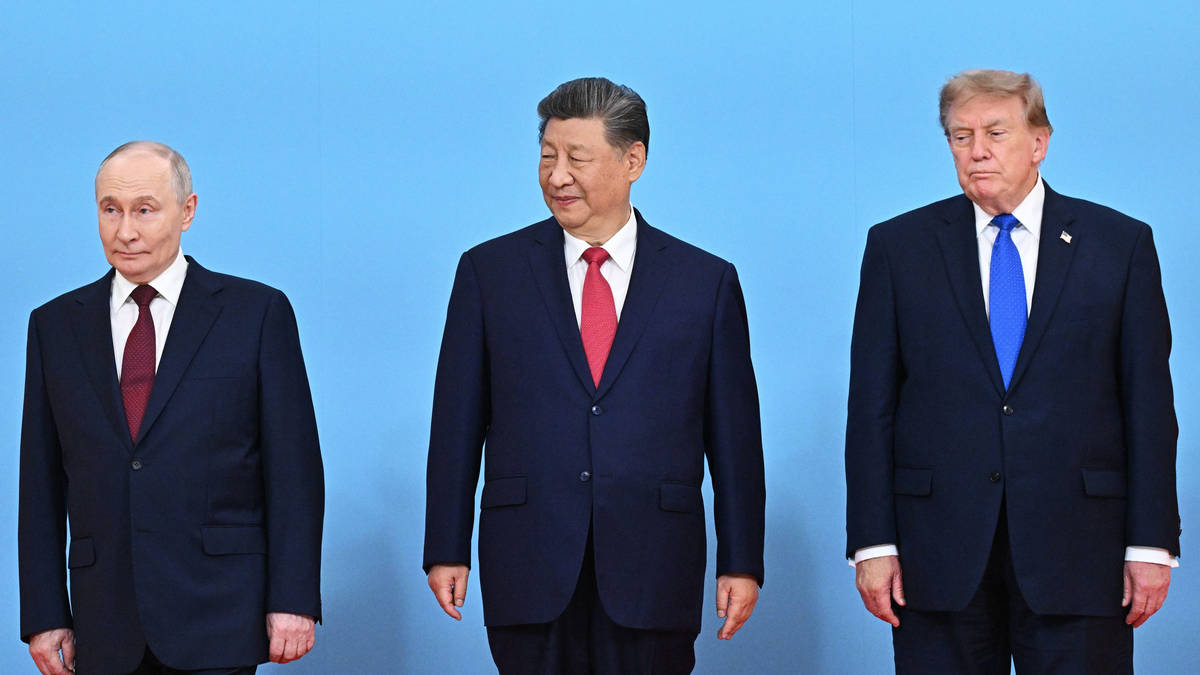
In the high-pressure atmosphere of the APEC summit in Shenzhen, China, the world’s attention often settles on the grand stages of multilateral trade and policy. Yet, on November 26, 2026, the most consequential movement occurred on the sidelines. There, amidst the diplomatic choreography of the Asia-Pacific leaders' meeting, a trilateral summit brought together Donald Trump, Vladimir Putin, and Chinese President Xi Jinping. While the formal proceedings focused on regional cooperation, the private conversations between the American and Russian leaders carried the weight of a continent in crisis.
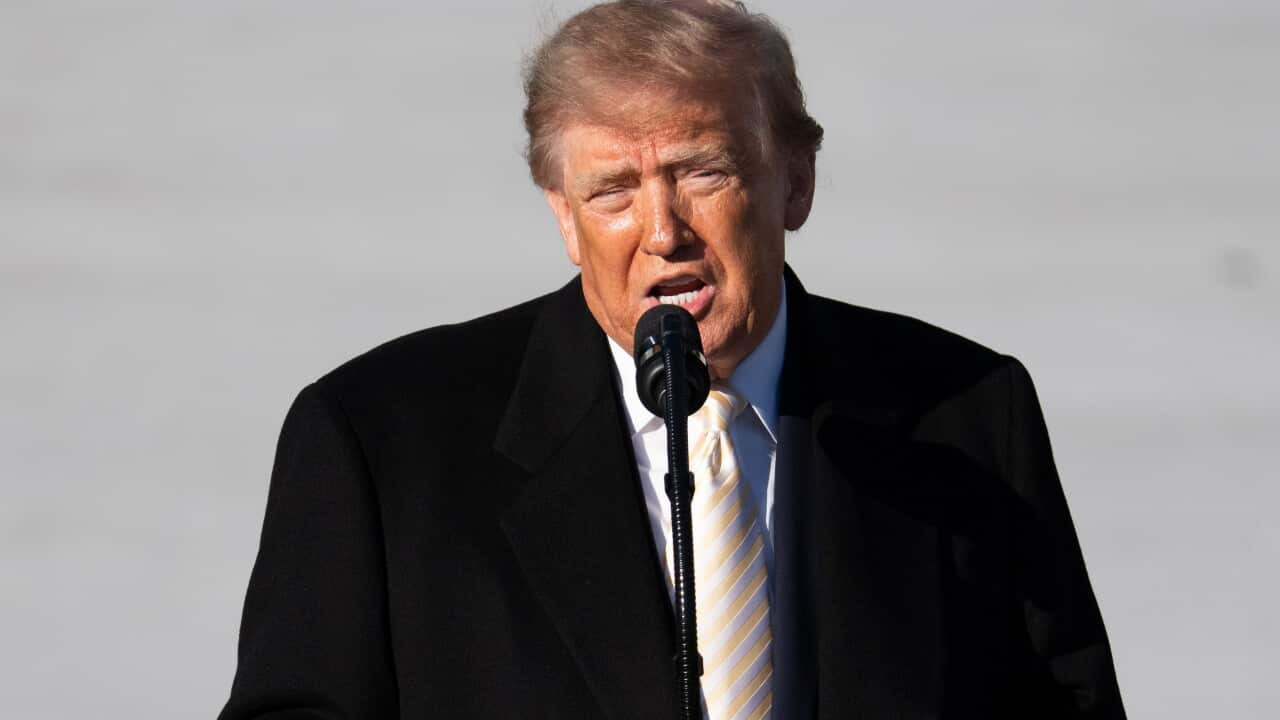
For Donald Trump, the meeting was not merely a diplomatic formality but an opportunity to confront the escalating violence that has defined European security since 2022. The Russia-Ukraine war, a conflict that has fundamentally reshaped global geopolitics, has entered a period of intense scrutiny as leaders seek a way out of the stalemate.
Following the meetings in Shenzhen, Trump took to Truth Social to frame the urgency of his discussions. He did not shy away from the visceral reality of the front lines, characterizing the ongoing war with a bluntness that underscores the human toll of the fighting. To Trump, the conflict is no longer just a matter of territorial disputes or geopolitical maneuvering; it is a humanitarian catastrophe.
While Trump’s rhetoric emphasizes speed and possibility, the mechanics of how such a deal would be structured—and what concessions would be required—remain unstated.
"I really believe this is a strong possibility — Thousands of people are being killed each and every month, A COMPLETE BLOODBATH," Trump wrote, articulating a sense of desperation regarding the mounting casualties. This framing serves as the emotional core of his diplomatic push: the idea that the current trajectory is unsustainable and that the human cost has reached a breaking point.
Trump’s primary objective during his conversations with Putin was a clear, albeit broad, demand for de-escalation. He expressed a desire to see a significant shift in Russian military posture, not just within the borders of Ukraine, but across the wider European landscape.
"During my conversations in China with President Vladimir Putin of Russia, I spent a lot of time talking about the fact that I would like to see President Putin pull back all Military aggression against territories throughout Europe," Trump stated. This phrasing is notable for its scope. By referencing "territories throughout Europe," the message extends beyond the immediate theater of the Ukraine war, touching upon the broader security architecture of the continent and the anxieties felt by neighboring nations.
The ultimate goal of this pressure, according to Trump, is the facilitation of a swift diplomatic exit. He expressed optimism that a rapid deal between Russia and Ukraine is possible, suggesting that the current deadlock might be broken through direct high-level engagement. The hope is to move from a state of active combat to a negotiated settlement that can halt the monthly loss of thousands of lives.
However, the path to such a deal remains obscured by the complexities of the battlefield and the deep-seated tensions between Moscow and the West. While Trump’s rhetoric emphasizes speed and possibility, the mechanics of how such a deal would be structured—and what concessions would be required—remain unstated.
As these high-level discussions unfold in China, the reality of Russian military activity continues to manifest in ways that alarm NATO members. The diplomatic optimism expressed by Trump stands in stark contrast to the immediate security concerns being voiced in Eastern Europe. This week, Poland, a key NATO ally, accused Russia of deliberately violating its airspace, a move that heightens the sense of volatility in the region.
These provocations are not isolated incidents. Recent tensions have also involved Estonia, which has raised alarms regarding Russian activities. The atmosphere is further complicated by allegations linking Russian military intelligence to an arson attack, suggesting that the conflict is spilling over into unconventional and asymmetric forms of aggression.
What emerges from the Shenzhen summit is a profound disconnect between the pursuit of a diplomatic breakthrough and the escalating friction on the ground. While Trump seeks to leverage his direct access to Putin to forge a path toward peace, the security apparatus of Europe is bracing for continued instability. The demand for a withdrawal of military aggression is a direct response to a reality where airspace is violated and intelligence operations are suspected of targeting sovereign nations.
As the world watches to see if the optimism shared on Truth Social can translate into a tangible reduction in violence, the shadow of the "bloodbath" remains. The push for a deal is a race against time, set against a backdrop of a war that has already claimed thousands of lives every month and continues to test the limits of European stability.