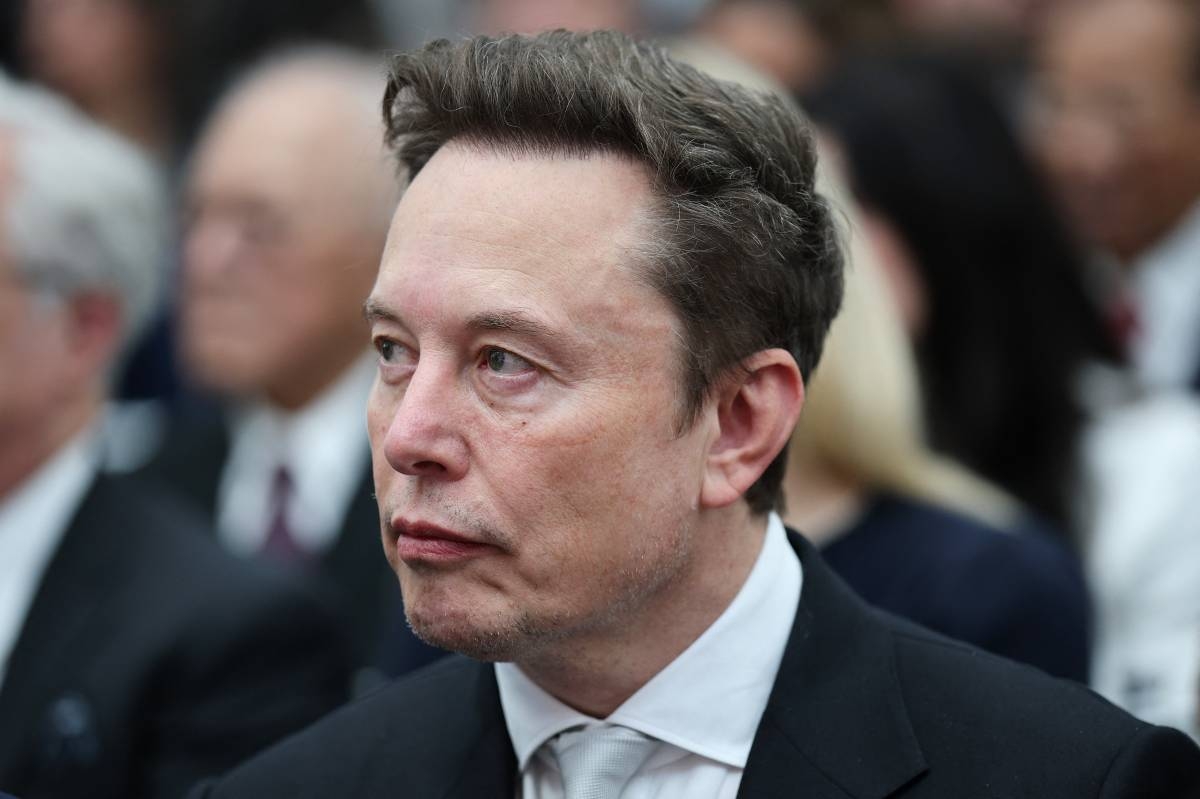
Imagine placing a bet so large it could reshape the political landscape of an entire nation. That’s essentially what Elon Musk did in the recent US midterm elections, and at the New York Times Dealbook conference, he publicly acknowledged the outcome wasn’t what he’d hoped for. The billionaire, whose wealth dwarfs that of many nations, confessed to feeling “pretty foolish” after spending nearly half a billion dollars on campaigns that ultimately failed to achieve their intended goals. This wasn’t a scattershot approach; it was a deliberate, heavily funded attempt to shift power in Washington. Musk’s foray into American politics, while surprising to some, underscores a growing trend of private individuals wielding significant financial influence in the electoral process.
A substantial portion of Musk’s spending – over $250 million – was directed towards supporting Donald Trump’s bid to return to the White House. This investment came at a time when Trump was attempting to regain the presidency after a previous term marked by controversy and division. Musk’s support, given his vast reach and influence, was a significant boost to the Trump campaign. However, it ultimately proved insufficient to secure a victory.

Elon Musk feels 'pretty foolish' for failed U.S. election spending https://t.co/3Sh7U3HhjR https://t.co/kbmIxN8Ocb
Beyond the presidential race, Musk also made a considerable financial contribution – an estimated $220 million – to the campaign of Ken Paxton, a Republican candidate in Texas. Paxton’s campaign was a key battleground in the broader struggle for control of the Senate. The outcome in Texas, and races like it, would determine which party held the majority. While Paxton was a Republican, the sheer scale of Musk’s investment suggests a broader strategy of shifting the balance of power across multiple levels of government. The election ultimately saw James Talarico, at 37 years old, win the seat.
” This admission is significant coming from someone who has consistently championed the power of innovation and disruption.
The nature of his involvement within the DOGE remains somewhat opaque, but it demonstrates a willingness to directly engage with the machinery of government, even if only for a short period. This foray into public service, however brief, highlights Musk’s ambition to not just influence policy through funding, but also through direct participation.
Musk’s post-election reflections were remarkably candid. He openly admitted that his efforts hadn’t yielded the desired results, stating, “I feel pretty foolish about having spent so much money and not seeing much for it, or maybe it would have been much worse without that.” He further clarified his overarching goal: “My goal was either the presidency, the House or the Senate be of the other party. That was my actual goal here, which failed by the way.” This admission is significant coming from someone who has consistently championed the power of innovation and disruption.
He went on to state a rather fundamental truth about the American political system: “It certainly shows that American elections are not just about money.” This acknowledgement, from a man who just spent nearly half a billion dollars trying to prove otherwise, is a striking observation. He conceded that “obviously you can put a lot of money into election and have an effect that is relatively minor, and I think that was the case here.”
Looking back, Musk expressed a clear regret. “If I could rewind the clock, I would have spent less money,” he said. This isn’t simply a lament over lost funds; it’s an acknowledgement that his approach was flawed. The sheer scale of the spending, rather than guaranteeing success, may have even been counterproductive. It raises questions about the limits of financial influence in a democratic system.


'I'M NOT MAGA': Elon Musk distanced himself from President Trump's MAGA movement in a new interview, adding that he regrets spending a reported $442 million backing Republicans in the midterms, only to see Democrats take the Senate. Musk reflected on his political spending and the election results: "I feel pretty foolish about having spent so much money and not seeing much for it." "Or maybe it would've been much worse without that. But it certainly shows that American elections are not just about money," he said. "Obviously, you can put a lot of money into an election and have an effect that is relatively minor, and I think that was the case here."
As of late November 2026, Musk’s ambitious attempt to reshape US politics through financial intervention has fallen short. He has publicly acknowledged his miscalculation and expressed regret over the substantial sums spent. The outcome underscores the complexities of American elections, where factors beyond financial contributions – voter sentiment, candidate appeal, and broader political trends – play a crucial role. While Musk’s future involvement in US politics remains uncertain, his experience serves as a cautionary tale about the limitations of money in the democratic process and a reminder that even the wealthiest individuals can’t simply buy their way to political victory.