For the farmers of Karnataka, the soil is more than just a livelihood; it is the foundation of their survival. When the rains fail and the earth turns to dust, the anxiety that follows is not merely about the harvest, but about the basic ability to sustain a family. Recognizing this, the state government has stepped forward with a commitment that carries significant weight: a drought relief package of 5,000 rupees per acre. This initiative, designed to provide a financial lifeline during one of the most challenging periods for the agricultural sector, represents a deliberate effort to shield the rural economy from the harshest impacts of climate-induced hardship.

Translating policy into practice is rarely a seamless endeavor, particularly when the scale of the operation involves thousands of individual holdings. The government’s plan is structured to be delivered in two distinct installments, a strategy intended to provide sustained support rather than a one-time influx of cash. As of the most recent updates, the first installment of 2,500 rupees has already been released to eligible recipients. This initial disbursement serves as the first half of the total commitment, ensuring that farmers have immediate access to funds to cover essential costs as they navigate the ongoing drought conditions.

#WATCH | Hubbali, Karnataka: State Minister Dr Yathindra Siddaramaiah says, "Our Congress party has demanded an apology from the Home Minister, Amit Shah, because he was the one who ordered police brutality against protesting students. So first, the Home Minister should apologise to the students. Then, whatever discussions can happen. This demand has to be met; only then can Parliament proceed." He further says, "The government has released ₹1 crore for each Assembly constituency to combat the drinking water crisis. If the dry spell continues, then the drought situation will be officially declared. After that, funds from the National Disaster Relief Fund and the State Disaster Response Fund will be available. With those funds, we can help the farmers..."
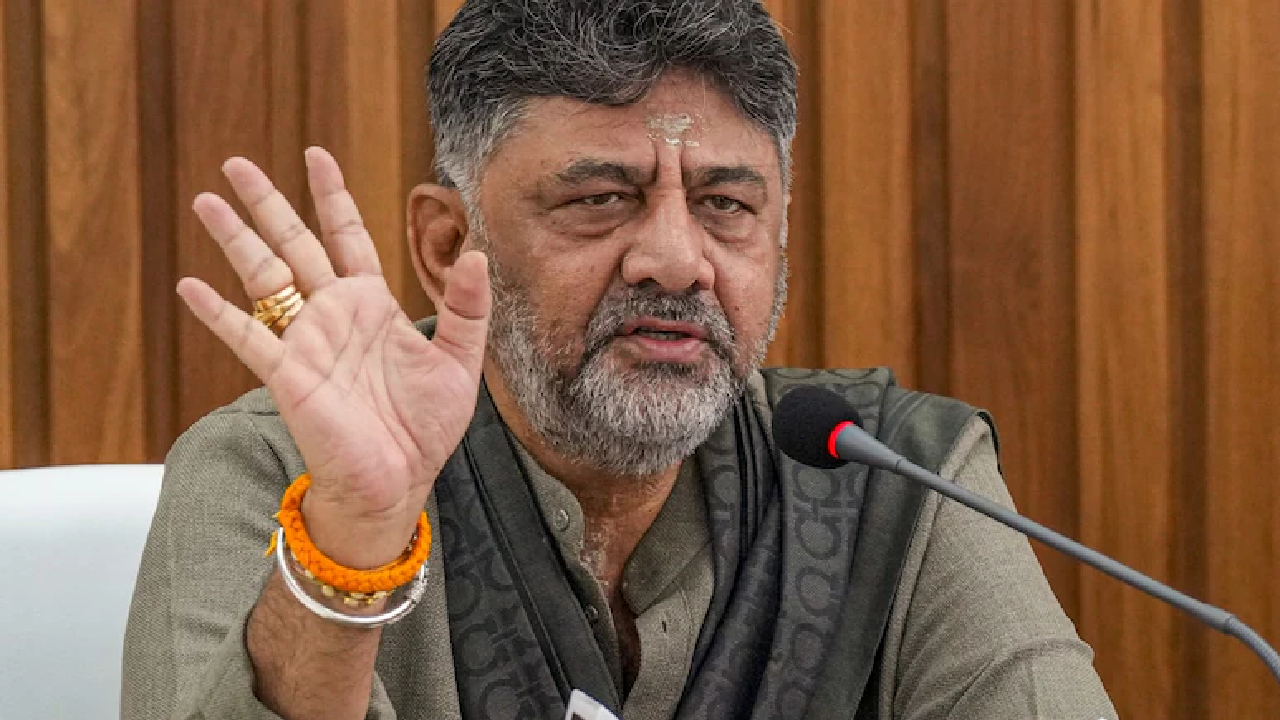
However, the path to distribution has not been without its obstacles. Reports have emerged of farmers who, despite their eligibility, have yet to see the funds reflected in their accounts. In addressing these concerns, Deputy Chief Minister D.K. Shivakumar has been clear: the delays are not a matter of policy failure, but of technical friction. Issues ranging from discrepancies in bank account details to complications with loan linkages have created administrative bottlenecks. These are the mundane, yet critical, hurdles that can stall progress in a system designed to handle large-scale financial transfers, and the government is currently engaged in the painstaking process of verifying records to ensure that every eligible farmer is accounted for.
He has emphasized that the state’s commitment to its farmers is absolute, operating independently of the central government’s fiscal decisions.
Perhaps the most significant aspect of this relief effort is the state’s stance regarding its relationship with the central government. In a political climate where funding often flows through complex, multi-layered channels, the question of federal support is always present. Yet, D.K. Shivakumar has adopted a firm, independent position on the matter. He has emphasized that the state’s commitment to its farmers is absolute, operating independently of the central government’s fiscal decisions. "Even if the central government does not give, our government will pay the 5,000 rupees relief to farmers in two installments as promised," he stated, reinforcing the state’s resolve to prioritize the needs of its agricultural community above broader political or fiscal negotiations.

Standing up for Karnataka is not confrontation. It is responsibility. When Karnataka’s rightful share of funds, grants and drought relief was delayed, we took the State’s case firmly before the Union Government and the country. Federalism means fairness. Protecting Karnataka’s rights with dignity is a duty we owe to our people. #MyPrinciplesInPractice #Federalism
For those on the ground, the message from the leadership in Bengaluru is one of stability and continuity. The uncertainty that naturally accompanies a drought is compounded by the fear that aid might be caught in the gears of bureaucracy or political disagreement. By publicly addressing these anxieties, the government is attempting to provide more than just financial aid; they are providing a sense of security. As D.K. Shivakumar noted, "ರೈತರು ಆತಂಕ ಪಡುವ ಅಗತ್ಯವಿಲ್ಲ, ಪ್ರತಿಯೊಬ್ಬರಿಗೂ ಬರ ಪರಿಹಾರ ತಲುಪಲಿದೆ"—or, "Farmers need not worry, the drought relief will reach everyone." This message serves as a cornerstone of the government’s current strategy, aiming to maintain public trust while the administrative work of verification continues behind the scenes.
As the process moves forward, the focus remains on the completion of the second installment. The commitment of 5,000 rupees per acre is not just a figure on a ledger; it is a benchmark for the government’s accountability to its citizens. With the first half of the relief already in the hands of many, the focus now shifts to clearing the remaining technical hurdles and ensuring that the final payments reach their intended destinations. In the broader context of Karnataka’s agricultural policy, this episode highlights the persistent tension between state-level promises and the complexities of implementation, yet it also underscores a clear, unwavering commitment to the farmers who form the backbone of the state.

#SupremeCourt to hear plea by #Karnataka government stating that Union government's Ministry of Home Affairs has failed to take a final decision and release the financial assistance from the National Disaster Response Fund (NDRF) to the state for drought relief @siddaramaiah https://t.co/XfjiuQIXqE