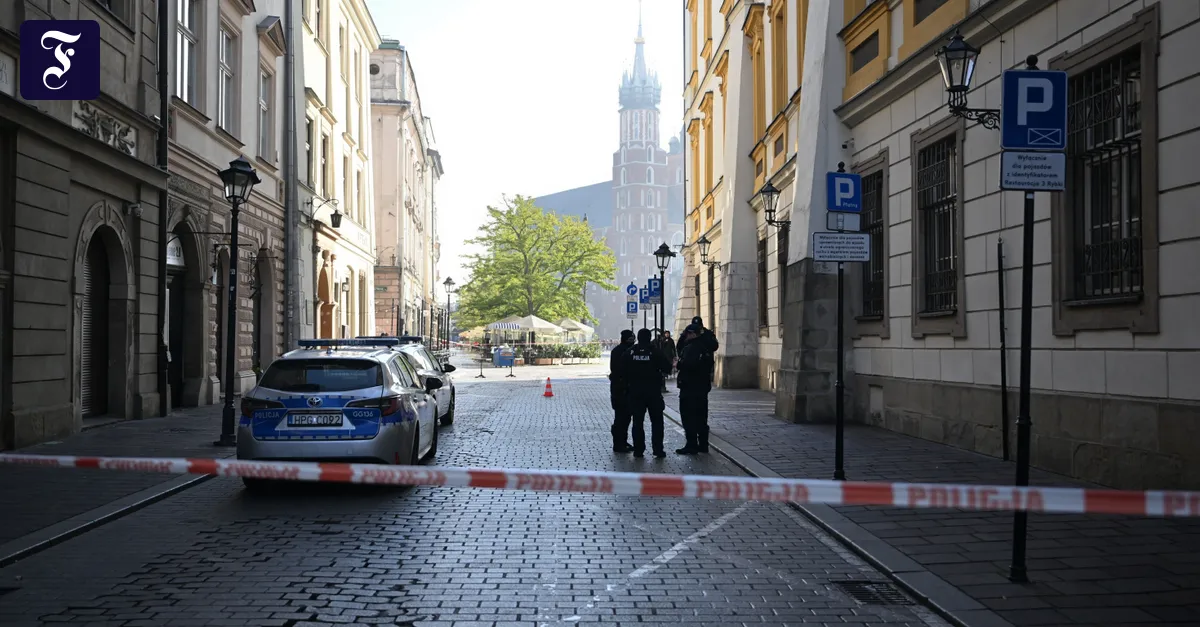
On November 7, the tranquil expanse of Kraków’s Main Square, known locally as Rynek, was shattered by violent chaos. An unidentified attacker, dressed in a military uniform and behind the wheel of a car, opened fire on unsuspecting passersby. Armed with long-barreled military-style weapons—identified by authorities as likely including a semi-automatic AR-15 rifle—the gunman unleashed a barrage that left six people dead in the square and wounded 16 others. Among the dead were a British national and an Austrian national, while the injured included citizens from Germany, Britain, Portugal, Austria, and Russia.
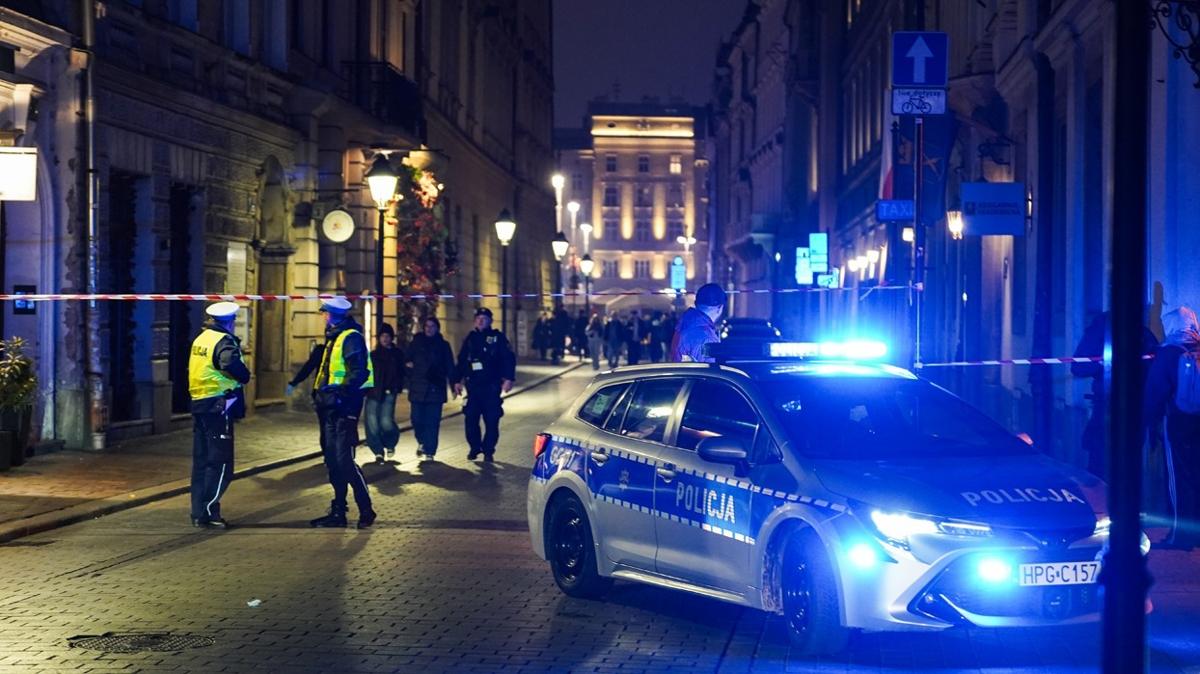
Yet as police worked to secure the scene and comprehend the scale of the horror, the tragedy deepened. On November 8, law enforcement made a grim discovery inside an apartment linked to the attacker: the bodies of two women and one man. Authorities confirmed these victims were the suspect's parents and his 20-year-old sister, killed before the public onslaught in the center of the city. The overall death toll had risen to nine.
The perpetrator was quickly identified as 24-year-old Michał Okoński. During the violent confrontation on November 7, law enforcement officers managed to overcome and detain the young gunman, injuring him severely in the process. Additional weapons and ammunition were seized from his car as he was rushed under heavy guard to a local hospital in the Małopolska Voivodeship.
Małopolska Voivode Krzysztof Klęczar described the emergency intervention: "From the very beginning, his condition was very serious and assessed as critical.
For nearly two days, medical teams attempted to stabilize the suspect, whose survival was viewed as crucial for the impending judicial inquiry. Małopolska Voivode Krzysztof Klęczar described the emergency intervention: "From the very beginning, his condition was very serious and assessed as critical. Doctors fought for this person's life despite the evil he committed. He was operated on at least three times." Despite these extensive surgical efforts, Okoński’s condition deteriorated. On the morning of November 9, the Small Poland Voivodeship police announced his death in an official statement on their Facebook page, writing: "We would like to inform you that the culprit of the tragic events died in the hospital this morning."
With the suspect dead, Polish law enforcement and prosecutors faced the task of piecing together the motive behind one of the country's most devastating acts of violence. Though the primary perpetrator could no longer be brought to trial, prosecutors emphasized that the investigation into the broader circumstances of the rampage would continue, describing the assault as carrying a clear "terrorist character."
Interior Minister Marcin Kierwiński shed light on the initial findings of the security agencies, reporting that Okoński held radical views and possessed a distinct fascination with right-wing extremist ideologies. The revelation of these radical leanings added a disturbing layer to an already incomprehensible act of domestic violence. The international response was swift, with UN Secretary-General António Guterres expressing profound shock over the brutal assault carried out on Polish soil.
In the wake of the loss of life, Polish President Karol Nawrocki declared a two-day period of national mourning. Across the country, cultural institutions canceled scheduled public events and observed solemn moments of silence to honor those killed both in the square and in the domestic tragedy preceding it.
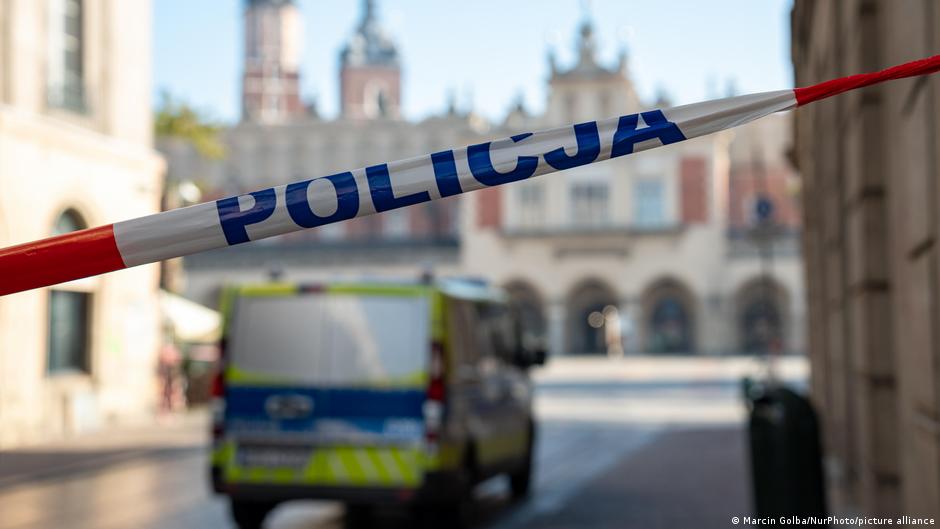
In Kraków itself, grief manifested in silent rituals and public displays of resilience. Residents gathered at the historic Main Square to light candles and lay down signs reading "Je suis Krakow." Mayor Lukasz Gibala called upon the city's populace to stand united against fear, encouraging attendance at a major Monday evening demonstration at the Main Market. "Let us show solidarity in this difficult time and prove that Krakow will always be a proud, hospitable and open city," Gibala stated, framing the community's response as a refusal to let an act of violent extremism redefine their identity.