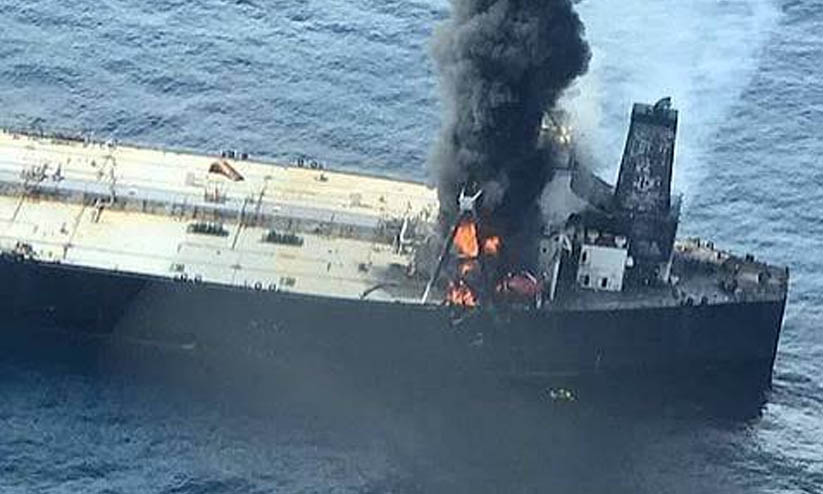
For anyone following global energy markets, the Strait of Hormuz is a name that carries weight. Roughly one-fifth of the world’s oil passes through this narrow waterway between Iran and Oman, making it a critical artery for the global economy. Recently, that artery has begun to feel constricted. Recently, the Islamic Revolutionary Guard Corps (IRGC) announced that a supertanker carrying over 2 million barrels – approximately 318 million liters – of unrefined oil had sunk in the Strait of Hormuz after hitting a mine. This incident is the latest in a series of escalating events that have raised concerns about a potential wider conflict in the region.
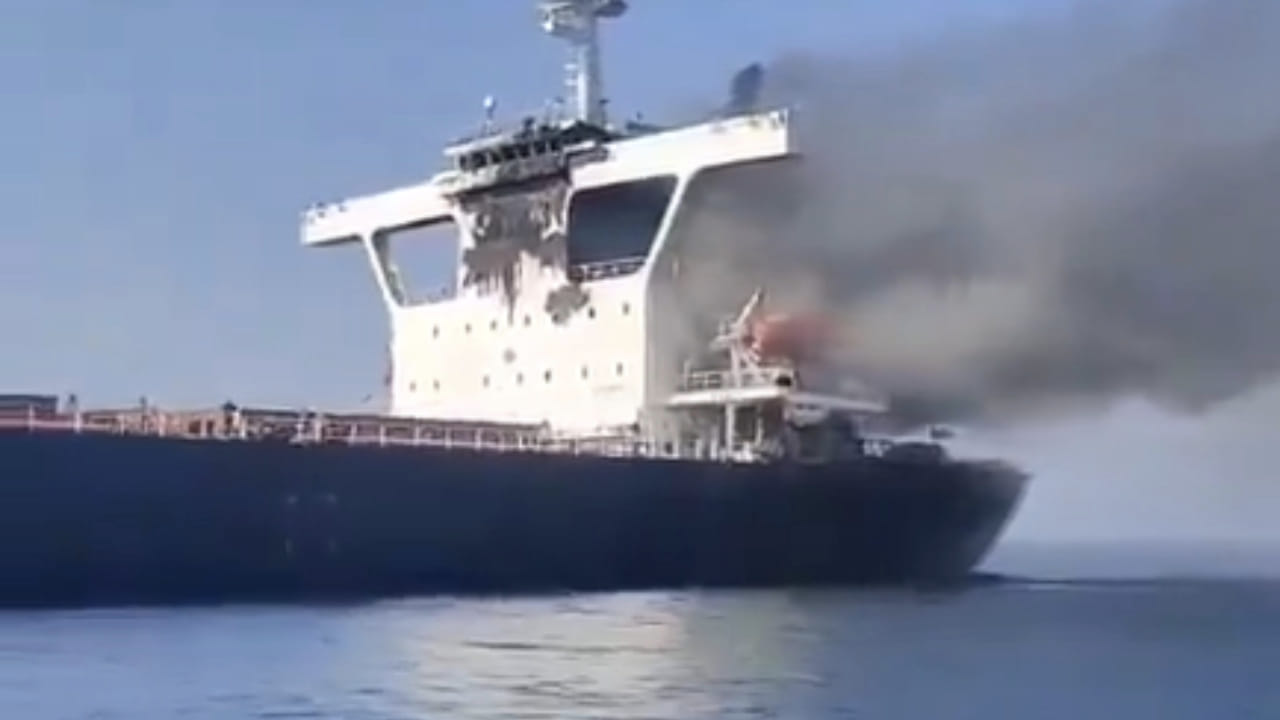
The IRGC’s statement framed the incident as a consequence of vessels operating outside of designated routes. They claimed two tankers were struck by mines while traveling on ‘unauthorized’ routes south of the strait, catching fire and ultimately sinking one of the vessels. Iranian state media echoed this narrative, reporting that the tankers had entered the Strait of Hormuz without permission and struck naval mines. The reported cargo of the sunken ship was a substantial 20 million barrels of crude oil. The specifics of which vessels were involved, and their ownership, remain unconfirmed by independent sources like Reuters and AFP, who have been unable to verify the claims.
This isn’t an isolated event. Over the preceding six days, Iran has asserted that a total of 11 tankers have been attacked by mines or caught fire in the region. While the IRGC presents these incidents as a response to unauthorized activity, they occur against a backdrop of heightened tensions. The UK Maritime Trade Operations (UKMTO) also reported a separate incident, involving a tanker in the Persian Gulf where, thankfully, the crew was reported safe. The UKMTO cited Indian shipping officials in their report. This adds another layer to the complex situation, suggesting multiple incidents are unfolding simultaneously.
Following Iran’s routing controls, the United States has taken steps to counter them.
The current escalation appears to be rooted in events from February, when the United States and Israel launched joint military strikes on Iranian soil. In response, Tehran imposed strict routing controls on shipping transiting the Strait of Hormuz, effectively attempting to regulate which vessels could pass through the vital waterway. This move, intended to assert control, seems to have been met with resistance from some ship operators.
Following Iran’s routing controls, the United States has taken steps to counter them. A blockade of Iranian ports was implemented, and the US military has been actively assisting tankers passing through the Strait of Hormuz. Notably, US forces had also been engaged in efforts to clear mines from the area prior to the recent incidents, suggesting a pre-existing awareness of the threat. This intervention is a direct response to the perceived disruption of global oil flows and a demonstration of support for international shipping.
The IRGC’s statements, while lacking independent verification, offer a glimpse into Iran’s perspective. This claim, if true, would significantly escalate the stakes, suggesting a direct confrontation between Iran and the United States through proxy vessels. However, it’s crucial to note that this remains an unconfirmed assertion.
The sinking of the supertanker and the series of reported attacks have injected a new level of volatility into an already unstable region. While the immediate impact on global oil prices remains to be seen, the disruption to shipping lanes is a serious concern. The situation is further complicated by the lack of independent verification of Iran’s claims and the competing narratives surrounding the events. As of now, the Strait of Hormuz remains a focal point of tension, with the potential for further escalation looming large. The international community is watching closely, hoping to avoid a wider conflict that could have devastating consequences for global energy security and regional stability.