
In a decisive move reflecting the escalating tensions in Eastern Europe, the European Union has formally approved the disbursement of €1 billion from the European Peace Fund to support Ukraine's defensive capabilities. This substantial allocation comes in response to recent Russian military escalations that have heightened concerns across the continent. The decision, made by the EU Council on November 20, 2026, underscores Europe's unwavering commitment to Ukraine's sovereignty in the face of persistent aggression.
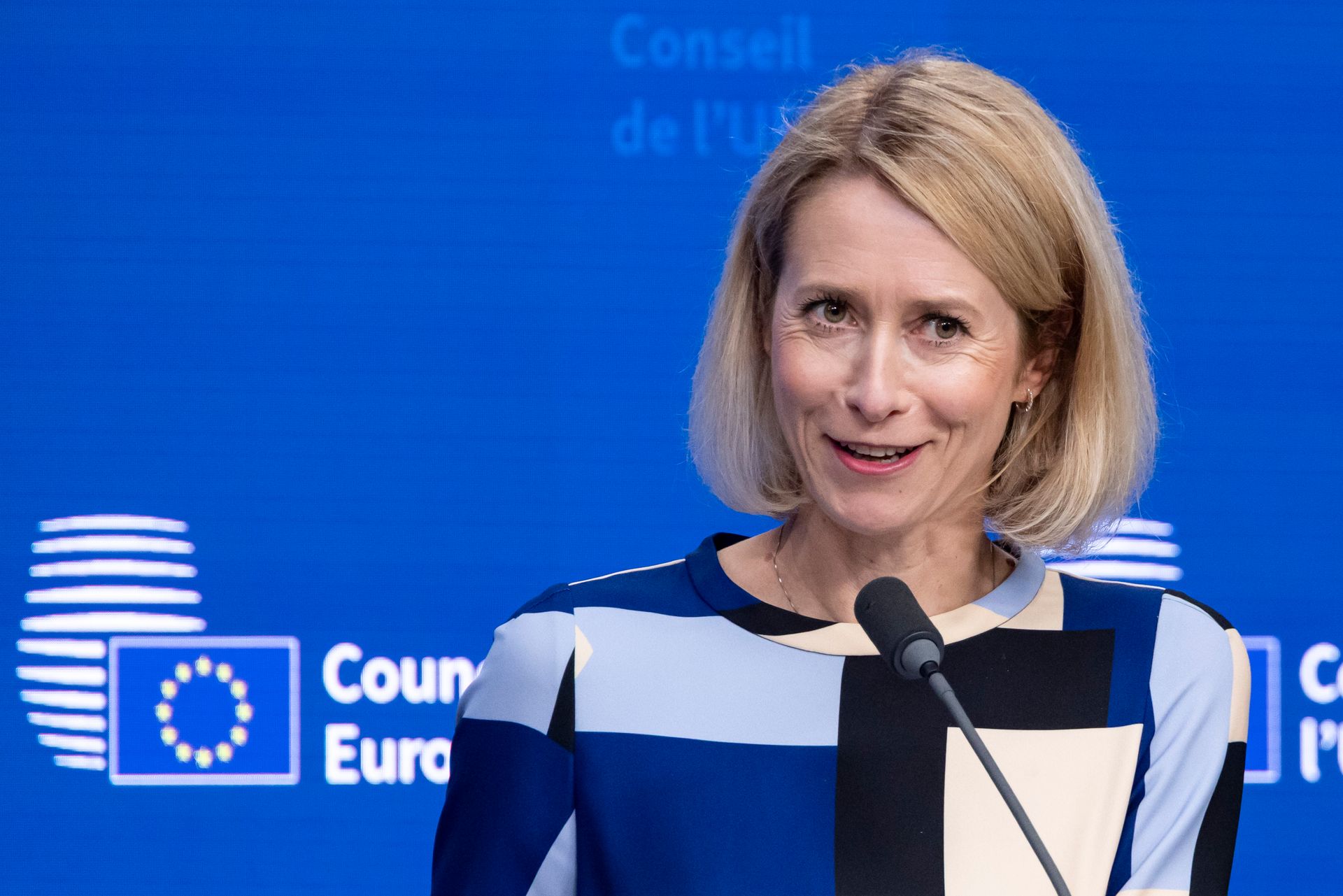
The timing of this aid package is particularly significant, as it follows a 24-hour period during which Russia conducted actions that directly impacted both Ukrainian civilians and neighboring Poland. Kaja Kallas, the High Representative of the EU for Foreign Affairs and Security Policy, highlighted these provocations in her statement to the press, noting that Russia had killed Ukrainian citizens and violated Polish airspace within a single day. These incidents serve as stark reminders of the ongoing security threats facing Ukraine and the wider European region.
Addressing the media, Kaja Kallas delivered a clear message about Russia's intentions: "There are no signs that Russia is seeking peace, the actions of Moscow speak for themselves." This assessment reflects the European Union's growing frustration with Russia's continued military actions and apparent lack of interest in diplomatic solutions. Kallas emphasized that Europe would continue to support Ukraine both militarily and diplomatically, stating that Ukraine "can count on the support of Europe, which will strengthen its positions both on the battlefield and at the negotiating table."
9 billion to support Ukraine's state administration and financial needs.
The €1 billion approved by the EU is earmarked for specific military hardware that addresses Ukraine's most pressing defense needs. These include unmanned aerial vehicles, air defense systems, munitions, electronic warfare equipment, radar systems, and explosives. The procurement of these advanced systems is expected to be completed by the end of 2027, providing Ukraine with critical capabilities to defend its territory against Russian aggression. This targeted approach ensures that the aid directly enhances Ukraine's defensive posture in key areas.
This latest tranche of military aid is not an isolated effort but rather part of a broader European commitment to Ukraine. On September 25, 2026, EU states reached a political agreement to mobilize a total of €6.6 billion for Ukraine's defense needs. The €1 billion approved in November represents a significant portion of this larger commitment, demonstrating Europe's sustained support for Ukraine's security. This multi-year approach allows for strategic planning and consistent support as Ukraine continues to defend itself against Russian incursions.
While military assistance has been a central focus of European support for Ukraine, it is not the only area where the EU has provided substantial aid. In November 2026, the European Commission allocated an additional €7.9 billion to support Ukraine's state administration and financial needs. This comprehensive approach recognizes that Ukraine requires both military and economic assistance to maintain its sovereignty and continue functioning as a state during the ongoing conflict. The combination of military and financial support creates a more holistic framework for Ukraine's defense and recovery.
The approval of this aid package reflects a unified stance among EU member states regarding the conflict in Ukraine. Despite the complexities of international relations and differing national interests, the EU has maintained a consistent position in support of Ukraine. This unity sends a powerful message to Russia and other potential aggressors that Europe is prepared to stand firm in defense of its values and the rules-based international order. The coordinated response also strengthens Europe's position in any future negotiations related to the conflict.
As the conflict in Ukraine continues, the European Union's support remains a critical factor in Ukraine's ability to defend itself. The €1 billion military aid package approved in November 2026, along with the larger commitments made earlier in the year, demonstrates Europe's long-term commitment to Ukraine's security. With no immediate signs of de-escalation from Russia, this support is likely to remain essential in the coming months and years. The EU's approach combines military assistance with economic support, creating a comprehensive strategy to help Ukraine navigate the challenges of the ongoing conflict and work toward a peaceful resolution.
The approval of this aid package represents more than just financial assistance to Ukraine; it is a defining moment for European security policy. As Kaja Kallas noted, Europe's support extends beyond the battlefield to include diplomatic efforts, creating a multifaceted approach to the conflict. This comprehensive strategy will likely shape European security policy for years to come, setting precedents for how the EU responds to future crises and threats to its values and interests.