In the high-stakes arena of international law, few terms carry as much moral and legal gravity as 'genocide.' It is a word that demands more than just evidence of mass death; it requires the near-impossible burden of proving specific intent to destroy, in whole or in part, a national, ethnical, racial, or religious group. On a recent date, the International Court of Justice (ICJ) underscored this distinction, issuing a ruling that found Myanmar responsible for genocide against its Rohingya Muslim minority. The decision, reached by a nine-to-six vote, serves as a stark reminder that the court’s primary function is not merely to catalog the casualties of war, but to discern the underlying, calculated purpose behind them.

This recent ruling on Myanmar does not exist in a vacuum; it is part of a long, often frustrating history of the ICJ grappling with the darkest chapters of human conflict. The court has long been defined by its cautious, almost clinical approach to the legal definition of genocide. This was perhaps most evident in the 2015 dismissal of claims between Croatia and Serbia. In that instance, the court examined the brutal crimes committed during the breakup of Yugoslavia in the 1990s. While the court acknowledged the sheer scale of the violence, it ultimately stopped short of labeling the entirety of the conflict as genocide. As one observer noted regarding the events at Srebrenica, the court concluded that while genocide had occurred, the state of Serbia itself had 'failed to prevent the genocide and punish those responsible,' rather than being the direct architect of the destruction.

Myanmar calls ICJ ruling on genocide 'unfair' https://t.co/K4Lad5aHVF
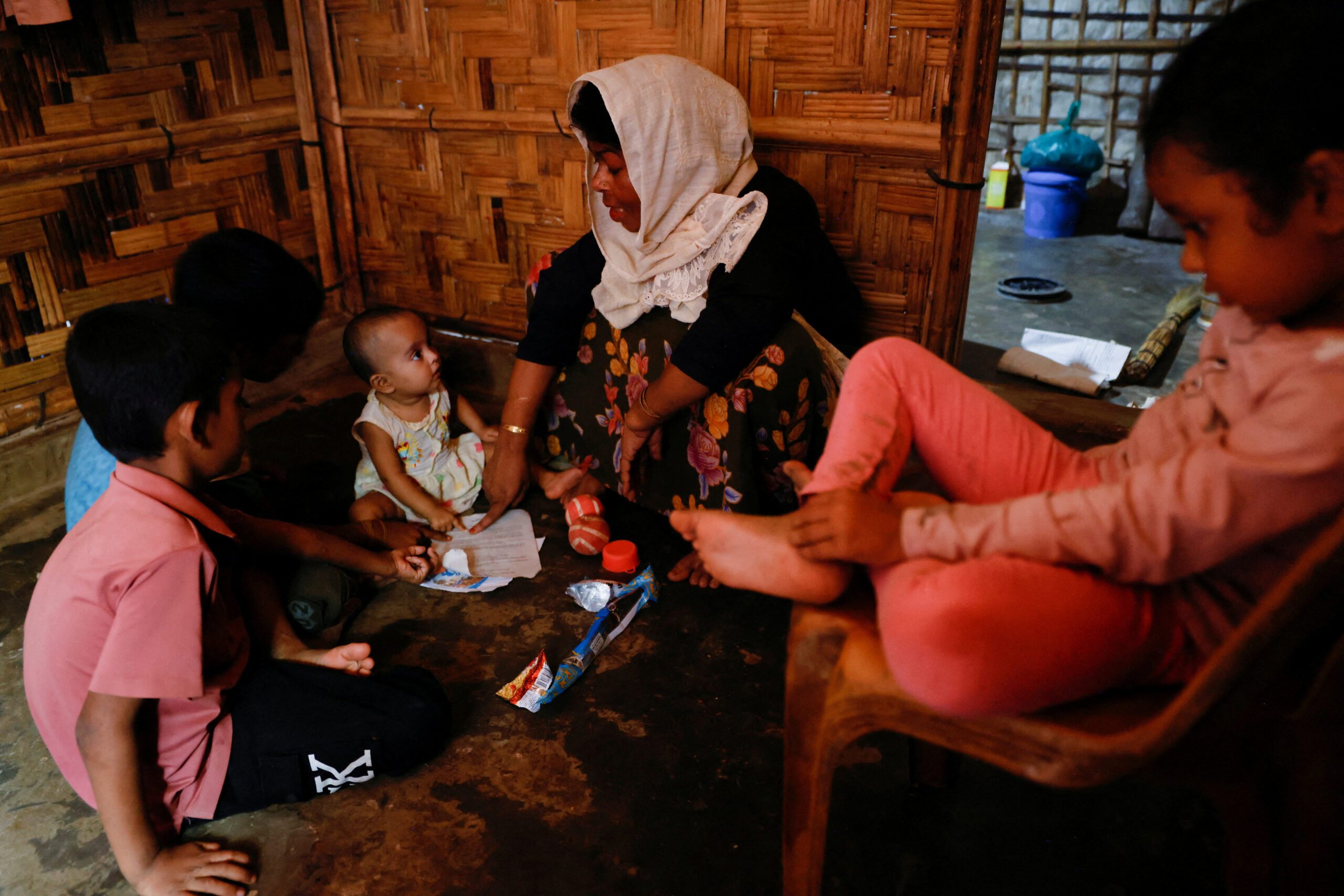
For the Rohingya, the ICJ’s ruling is a validation of a trauma that began in earnest during the military campaign of 2017. The military actions taken against the Rohingya were not merely collateral damage in a regional dispute; they were, in the eyes of the court, a systematic effort to erase a minority group. By reaching this conclusion, the ICJ has set a high bar for future litigants. It confirms that the international community is capable of recognizing the specific, malicious intent required to trigger the genocide label, even when the perpetrators attempt to cloak their actions in the language of security or internal stability.
The sheer scale and brutality of this attack have forced international observers to re-examine the definitions of war crimes and terrorism.
As the ICJ continues to navigate these complex legal waters, the global conversation has been irrevocably shaped by the events of October 7, 2023. On that day, Hamas-led terrorists launched an unprecedented assault on Israel, murdering about 1,200 people and abducting 251 hostages. The sheer scale and brutality of this attack have forced international observers to re-examine the definitions of war crimes and terrorism. The juxtaposition of this massacre with the ongoing legal scrutiny of military conduct in Gaza has created a volatile environment for international diplomacy.

Historic verdict! Myanmar becomes the first country to be held responsible for genocide by an international court. In a 9-6 ruling, the ICJ found Myanmar guilty of committing genocide against Rohingya Muslims during its 2017 military crackdown and ordered it to pay reparations Around 10,000 Rohingya were killed and over 700,000 forced to flee to Bangladesh
This tension is currently being tested by South Africa, which has brought genocide allegations against Israel regarding the conflict in Gaza. The ICJ’s ruling on Myanmar serves as a critical point of reference for this case. By emphasizing that a finding of genocide requires proof of specific intent to destroy a group—rather than mere civilian casualties or the general horrors of war—the court has signaled that the threshold for such a conviction remains exceptionally high. The editorial perspective suggests that this precedent should prompt a moment of reflection for those pursuing these allegations, emphasizing that the scrutiny of military conduct and the legal finding of genocide are distinct, separate legal exercises.
As the world watches these proceedings, the question remains: does a ruling by the ICJ actually help the victims? For the Rohingya, the ruling is a moral victory, a formal acknowledgment of their suffering that cannot be undone. Yet, the gap between a judicial finding and the reality on the ground remains vast. The ICJ’s role is to clarify the law and hold states accountable to their international obligations, but it lacks the enforcement mechanisms of a domestic court. As the court moves forward, its legacy will be defined by its ability to maintain the integrity of the genocide definition, ensuring that the term remains a powerful tool for justice rather than a political label, even as it navigates the most contentious conflicts of our time.

Myanmar calls ICJ genocide ruling unfair, citing split decision Myanmar government spokesperson Khaing Khaing Soe said on November 20, 2026 that an International Court of Justice ruling finding state-sponsored genocide against the Rohingya was unfair. She said the decision was not unanimous and Myanmar had been unjustly accused. The ruling was the first time the court held a state responsible for genocide. https://t.co/NqdAeEm2tY