
Imagine waking up in the early morning for a high-stakes Formula 1 test, only to know that in a few weeks, your focus will shift entirely to a desert stage that demands weeks of sleepless endurance. For Fernando Alonso, the former double F1 world champion, that is becoming the normal rhythm of his life. At 45 years old, Alonso is navigating a career that most would find impossible, splitting his attention between two vastly different motorsport worlds. He is currently placed 17th in the F1 championship, a position that reflects the intense difficulty of staying competitive in one of the most saturated grids in the world. Yet, his spirit remains restless. The decision to return to the Dakar Rally in 2027 is not just a side gig; it is a statement of intent to test himself against a different kind of physical and mental exhaustion. He is looking at a dual challenge that very few drivers in history have ever attempted in a single season.
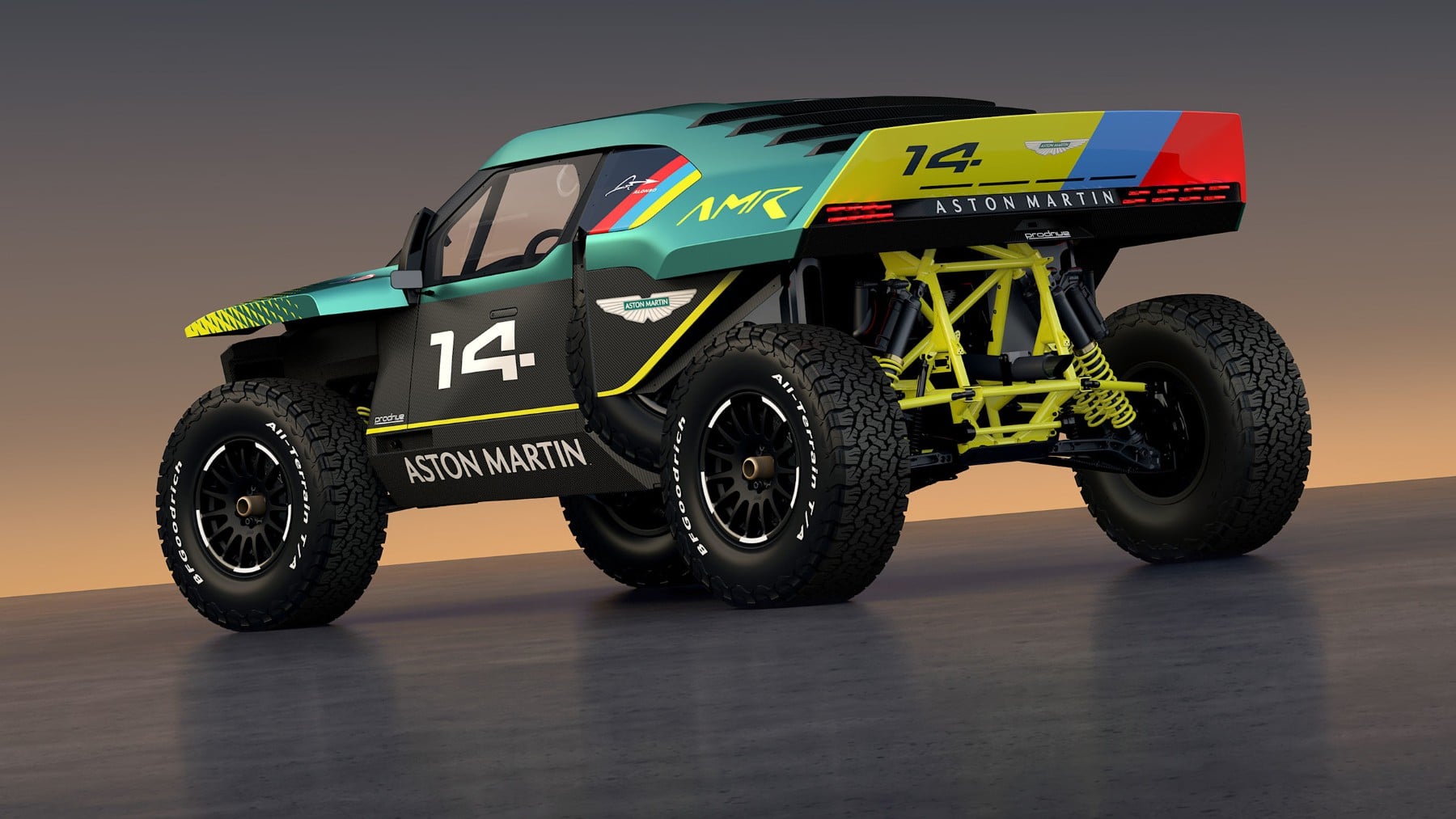
For this new off-road venture, Alonso is not wandering in alone. He has secured a seat with the Aston Martin team, a move that places him in a new environment away from his traditional racing circles. This team is not the typical Formula 1 operation; rather, it represents a broader motorsport presence in the off-road sector. The vehicle they will utilize is a Dacia-based machine that has been rebranded as the Aston Martin Dreadnought. This platform is designed to withstand the punishing terrain of the Rally, turning the robust capabilities of a Dacia chassis into a serious contender on the loose, dusty tracks of the southern hemisphere. It is a significant departure for Alonso, who is known for his precision on the asphalt circuits of F1, but it aligns with a team that is looking to build a presence in this specific discipline.

Fernando Alonso will make his return to the Dakar Rally 2027 in Morocco with the Leob and Aston Martin team. https://t.co/dYRUgEuNYH
The crew around Alonso is as intimidating as the competition itself. The Aston Martin lineup includes Sébastien Loeb, a name that is synonymous with rally domination. Loeb brings with him a career that includes 28 stage wins, a testament to his ability to push a car to its absolute limit in off-road conditions. He is not the only veteran in the car; the team also features rally-raid champion Lucas Moraes, a driver who understands the nuances of the cross-country format better than almost anyone. For Loeb, this return is driven by a specific ambition. He has admitted that winning the Dakar is of extreme importance to him, noting that they have come close several times in the past. The motivation to finally secure that top step on the podium is a driving force that keeps the team's eyes on the prize, even as they navigate the logistical complexities of a new racing year.
The co-driver is responsible for reading the pace notes and identifying obstacles, while the driver must trust that information at high speed.
The route for the 2027 event is a significant departure from recent history. The Dakar Rally, traditionally known for its massive and dangerous stages in Saudi Arabia, will instead traverse Portugal, Spain, and Morocco. This shift is the result of a forced exit from Saudi Arabia, a move that has altered the landscape of the sport. For the participants, this means a completely different set of challenges. The Mediterranean and North African climate offers distinct hazards compared to the open deserts of the Middle East, requiring a different strategy for navigation and car preparation. Yet, the team’s manager David Castera has been firm in his assessment. He emphasized that this change in location will not diminish the intensity of the event, stating that it will not be a lesser Dakar. The core spirit of the rally remains intact, demanding that the drivers push the vehicles and themselves to the breaking point regardless of the specific geography.
A crucial element of the rally-raid format is the co-driver, and for Alonso, that partner will be Marc Coma. Coma is a legendary figure in his own right, bringing decades of experience to the cockpit. The dynamic between a driver and a co-driver in the Dakar is one of the most unique relationships in motorsport. The co-driver is responsible for reading the pace notes and identifying obstacles, while the driver must trust that information at high speed. Alonso and Coma will need to synchronize their instincts quickly. Meanwhile, Sébastien Loeb will be partnering with Fabian Lurquin, a pairing that also carries a certain amount of weight given the experience both men bring to the table. These partnerships are often decided not just by skill, but by a shared understanding of the sport’s unique rhythm.
Alonso has been open about the mental toll of managing two such demanding series. In his own words, he decided to continue his career in F1 and then thought long and hard about the Dakar. He stated that the decision eventually made itself because he wanted to tackle both championships in the same year. This level of commitment is rare, especially at the age of 45, a time when most drivers are looking toward retirement or a reduced schedule. The physical toll of the Dakar is well-documented; it involves weeks of travel, poor sleep, and constant vibrations that can shatter the body over the course of the event. For Alonso, this is a way to keep the adrenaline flowing, to remain in the fight, and to prove that his passion for competition is still alive and well. He is not just chasing a trophy; he is chasing the feeling of the challenge itself.
The event is scheduled to take place between January 9 and 23, 2027. This specific window in the year is a critical period for the Dakar Rally, as it allows the sport to capitalize on the winter conditions in the southern regions of the continent. For the Aston Martin team, the next two years will be a period of intense preparation. They must finalize the specifications of the Dreadnought, run test stages to refine the handling, and build the endurance of the crew. For Alonso, the next two years will be a balancing act between the tight schedule of F1 and the sprawling, unpredictable nature of the rally-raid calendar. The stakes are high. He previously finished 13th in the 2020 Dakar, a result that may not have satisfied his ambitions, and this time, the competition will be stronger than ever. The pressure to perform is a constant companion, whether on the smooth tarmac of an F1 circuit or the rough, unforgiving terrain of the Dakar stage.

As we look toward the 2027 season, the motorsport world is watching how this dual schedule will unfold. Alonso is currently navigating the complexities of his current F1 standing, using his energy to fuel the off-road project. The Aston Martin team is working to ensure that their new vehicle can compete against the established powerhouses of the sport. For Loeb, the dream of a victory remains a clear target. For all of them, the 2027 Dakar in Portugal, Spain, and Morocco represents a new chapter in the history of the rally, one that will test the limits of both the machines and the men who drive them.