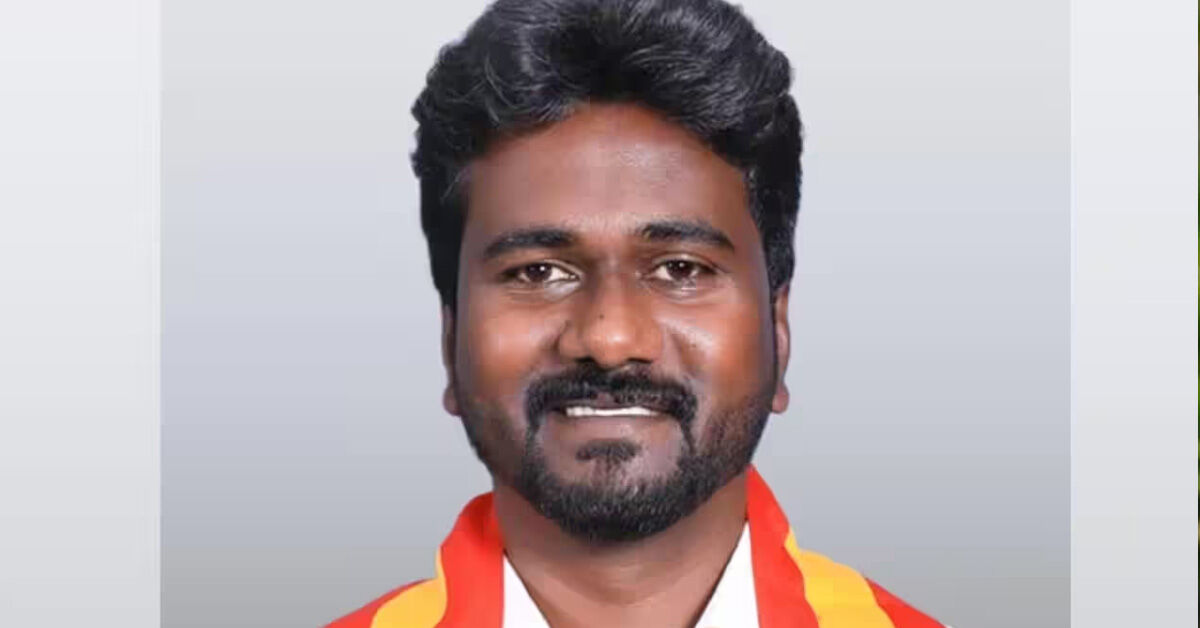
J.E. Padmaja, the district collector of Kollur in Tamil Nadu, found herself at the center of a developing controversy in late November. On November 23rd, she filed an official complaint with Kollur Superintendent of Police, Shahnaz I, detailing allegations of harassment. The complaint centered on communications she’d received from C. Arul Vignes, a 36-year-old Member of the Legislative Assembly representing the Tamilaga Vettri Kazhagam (TVK) party. The specifics of the complaint involved accusations of obscene messages and indecent behavior. A district collector, a position held by Padmaja, is a key administrative officer responsible for the implementation of government policies at the district level – a role demanding respect and professional conduct from those interacting with them.

Four days after Padmaja’s complaint, on Friday evening, police moved to arrest Arul Vignes. Officers took him into custody at his residence. The swiftness of the arrest, coming just four days after the complaint was lodged, signaled the seriousness with which authorities were treating the allegations. Following the registration of a First Information Report (FIR) at the Kollur Women’s Police Station, a visible police presence was established around Vignes’s home and office. This deployment of personnel indicated a heightened security posture and a commitment to managing any potential fallout from the case.
Even before his arrest, Arul Vignes publicly denied the accusations leveled against him. He characterized the allegations as “baseless and politically motivated,” suggesting a potential attempt to undermine his position. This claim of political motivation is a common tactic in Indian politics, where accusations of foul play are often interwoven with partisan maneuvering. The TVK, the party Vignes represents, is a relatively new force in Tamil Nadu politics, adding another layer to the potential motivations behind the allegations.
Arul Vignes’s arrest marks a significant moment for the Tamilaga Vettri Kazhagam.
The case against Vignes is being investigated under the Tamil Nadu Women Harassment Prohibition Act, a law designed to protect women from unwanted advances and harassment. Additionally, investigators are applying five sections of the Indian Penal Code (IPC), suggesting the alleged offenses are considered serious enough to warrant prosecution under broader criminal law. Inspector General of Police (Administration) N. Kamini is overseeing the investigation, ensuring a senior officer is involved in managing the complex legal and political dimensions of the case.
Arul Vignes’s arrest marks a significant moment for the Tamilaga Vettri Kazhagam. The party, while gaining traction in Tamil Nadu, is still establishing itself on the political landscape. Vignes’s position as a Member of the Legislative Assembly made him a prominent figure within the TVK, and the allegations against him have the potential to damage the party’s reputation. The TVK’s response to the situation, and its support for Vignes, will be closely watched by political observers.
The complaint filed by J.E. Padmaja carries significant weight, not only because of her position as a district collector but also because it highlights the challenges faced by women in positions of authority in India. Harassment complaints are often underreported due to social stigma and fear of retaliation. Padmaja’s decision to come forward, and the subsequent swift action by the police, could encourage other women to report similar incidents. The case also underscores the importance of maintaining professional boundaries between elected officials and administrative officers.
As of late November, Arul Vignes remains in custody. The investigation is ongoing, and authorities are gathering evidence to support the allegations against him. The case has sparked public debate in Tamil Nadu, with discussions focusing on the issue of harassment, the role of women in politics, and the potential for political manipulation. The outcome of the investigation and any subsequent trial will likely have far-reaching consequences for Vignes, the TVK, and the broader political climate in Tamil Nadu. The case remains a developing story, with 117 days having passed since the incident occurred, and the legal process unfolding under intense scrutiny.