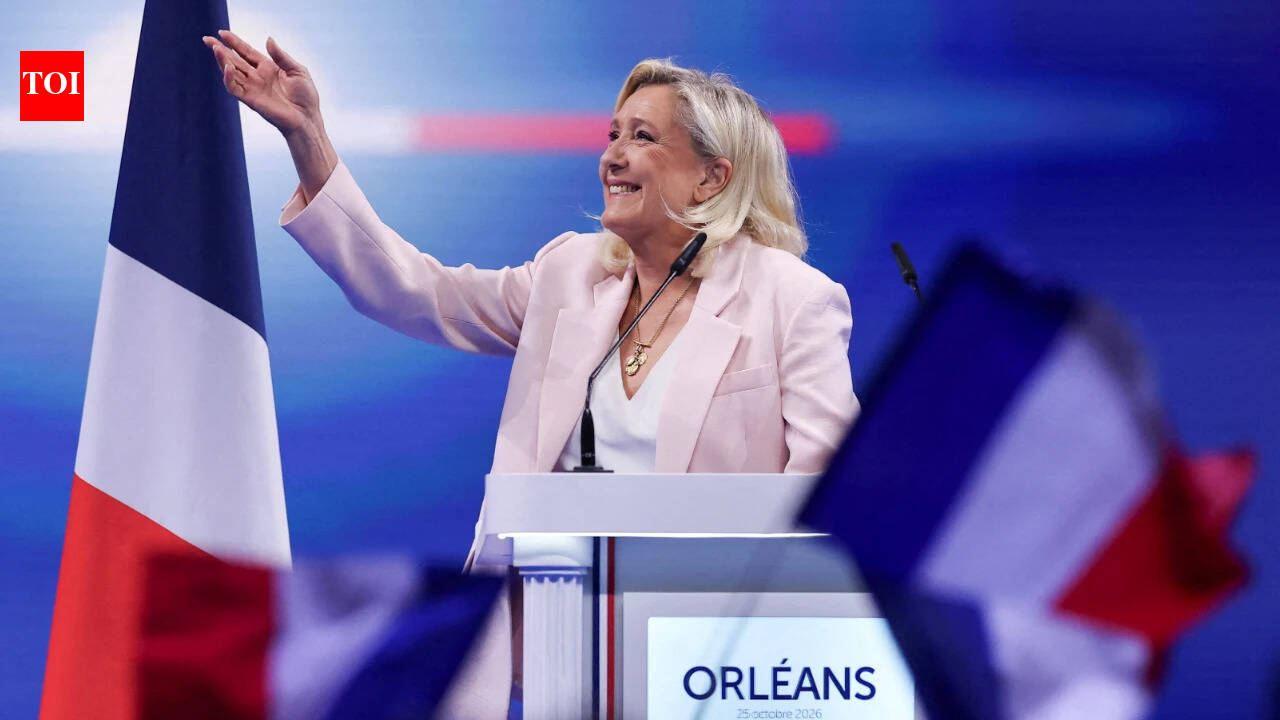
The November 16 meeting in Paris was barely a headline to the mainstream press, yet it drew the attention of those who kept a close eye on France’s political future. Ambassador Vadim Omelchenko, the Ukrainian envoy, met with Le Pen to discuss France’s future relationship with Ukraine.
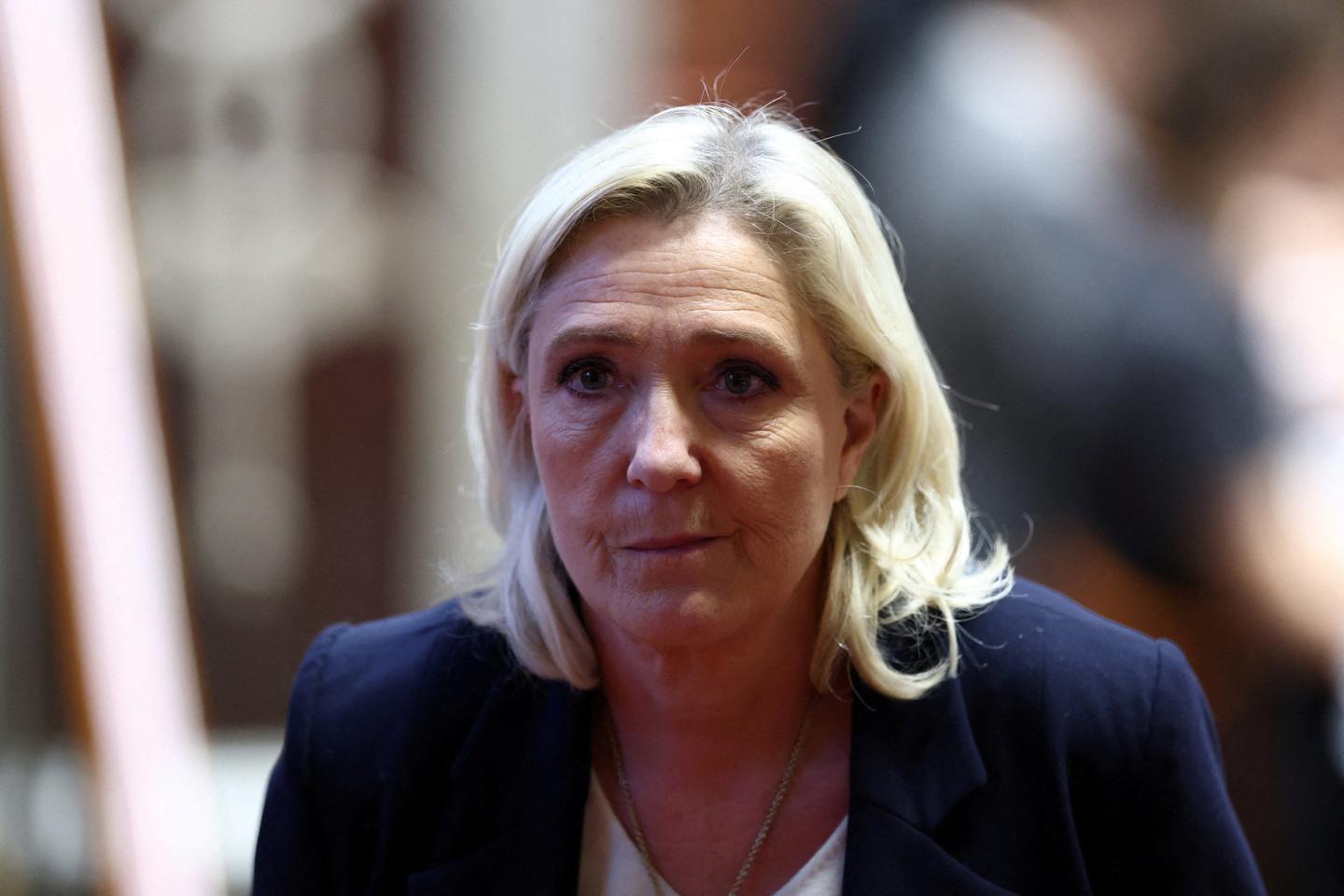
Le Pen’s words, recorded by Le Parisien, were unambiguous: “In case of her election in spring, France will cease financial support for Ukraine.” The statement was a direct policy promise that ties into France’s public finances.
Le Pen emphasised that France will nevertheless “fulfill obligations taken on by France to date,” specifically citing a 90 billion‑euro loan supplied by the European Union. This commitment remains important regardless of policy changes.
Le Pen hinted that a post‑election France could “see Ukraine as a strategic partner.
While the financial support may cease, Le Pen told the ambassador that “France will continue to support Ukraine through equipment supplies, humanitarian aid, and significantly more active diplomacy.” The equipment supplies and humanitarian aid will be maintained, along with diplomatic efforts.
Le Pen hinted that a post‑election France could “see Ukraine as a strategic partner.” This suggests a potential partnership built around digital technologies, defense systems, and civilian nuclear energy, which could shift France’s role in the relationship.
For Ukraine, the conversation represents a shift in support from direct financial assistance to other forms of aid and potential strategic partnership.
In the months ahead, news outlets and political observers will monitor how Le Pen’s pledge translates into policy if she is elected. With no new cash coming in, Ukraine will need to rely on continued equipment supplies, humanitarian aid, and diplomatic engagement.