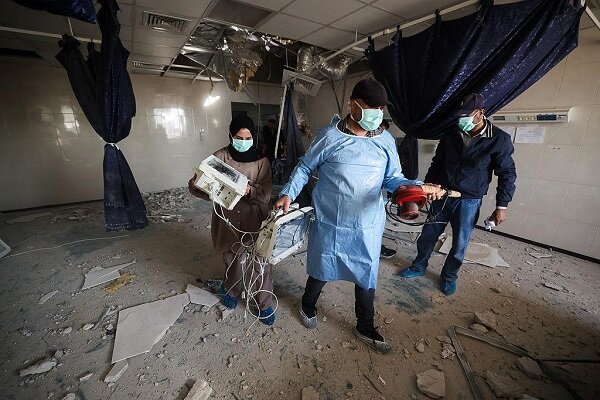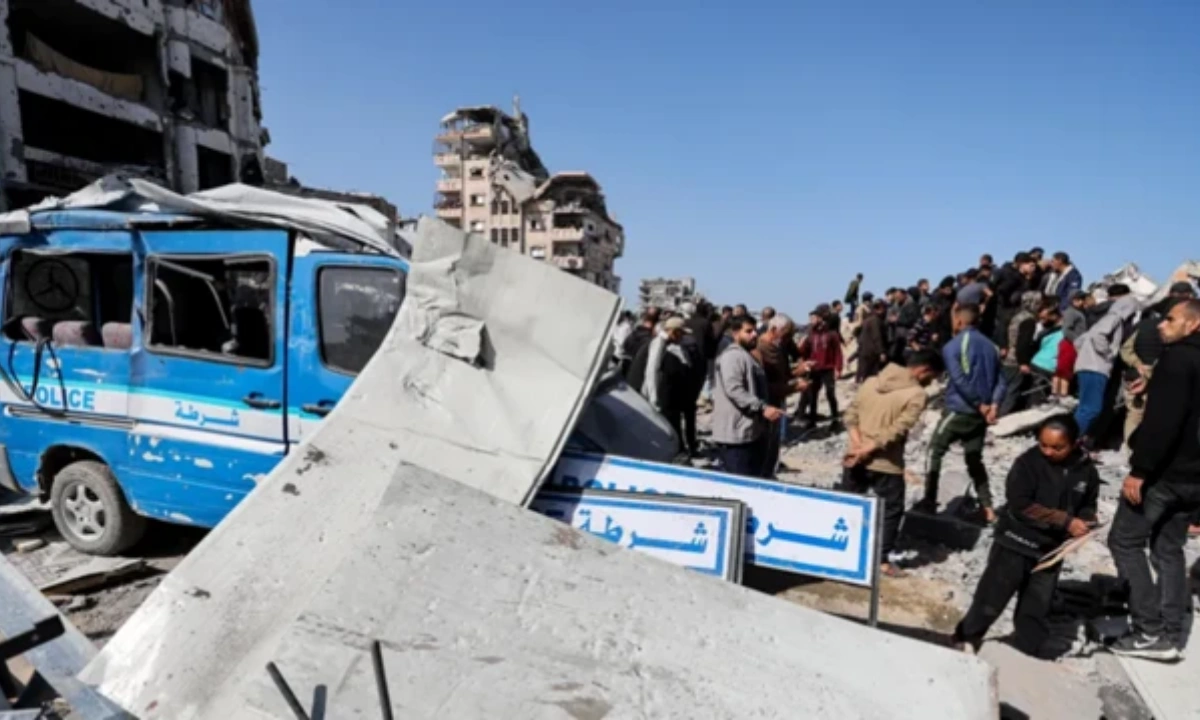
The images were stark, even for a conflict saturated with them. On November 14, 2026, news emerged of an Israeli airstrike on the Nasser Medical Complex in Khan Younis, southern Gaza. The target, according to reports, was the surgical department. For those following the ongoing conflict, hospitals are meant to be sanctuaries, protected under international law. But the attack, which left at least six Palestinians dead – including a 13-year-old boy and a surgeon – and 28 injured, shattered that expectation.
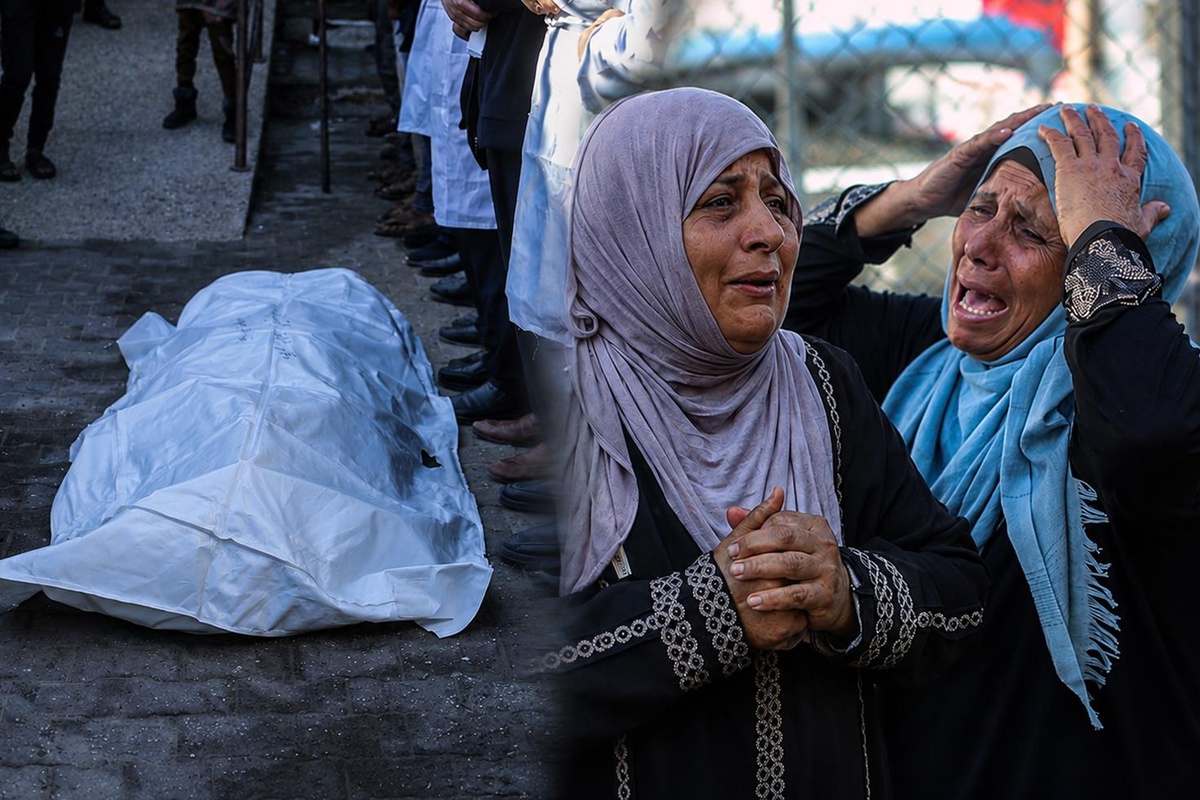
Within hours, a chorus of condemnation began to rise. Foreign ministers from 18 countries – Türkiye, Algeria, Djibouti, Egypt, Indonesia, Jordan, Kuwait, Lebanon, Libya, Mauritania, Oman, Pakistan, Palestine, Qatar, Saudi Arabia, Somalia, Sudan, and the UAE – coalesced around a joint written statement. The ministers didn’t mince words, describing the strike as a violation of international humanitarian law, specifically the protections afforded to healthcare facilities. This isn’t simply a matter of political disagreement; international humanitarian law, built on decades of treaties and conventions, aims to limit the impact of conflict on civilians and essential services. The statement, as articulated by the 18 Foreign Ministers, asserted that the attack “violates international humanitarian law…and endangers patients and medical staff.”
The collective action of these 18 nations carries significant weight. Representing a broad swathe of the Arab and Islamic world, their unified stance underscores the depth of concern over the escalating violence in Gaza. The statement specifically referenced existing agreements, calling on Israel to fulfill its obligations under the Sharm el-Sheikh Agreement, President Donald Trump’s Comprehensive Plan, and UN Security Council Resolution 2803 (2025). These agreements, while varying in their specifics, all aim to address the underlying issues of the conflict and establish a framework for peace. The invocation of these agreements suggests a frustration that existing mechanisms are not being adhered to.
This points to a wider pattern of concern: the targeting of vulnerable populations, even those seeking refuge from the fighting.
The condemnation wasn’t limited to the immediate attack. The ministers also leveled criticism at Israel’s broader conduct during the conflict. They condemned “continued attacks on displaced civilians in tents and shelters,” warning that such actions actively “undermine the ceasefire” – a fragile state of affairs constantly threatened by renewed violence. This points to a wider pattern of concern: the targeting of vulnerable populations, even those seeking refuge from the fighting.
The statement also highlighted the rapidly deteriorating humanitarian situation in Gaza, particularly as winter approaches. Restrictions imposed by Israel on the delivery of humanitarian aid, including essential medical equipment and supplies needed for winter shelter, were singled out as exacerbating the crisis. The ministers expressed serious concern that these restrictions, combined with poor shelter conditions and deteriorating water, sanitation, and health services, are putting civilians – especially infants and children – in “grave danger.” The approaching cold weather adds another layer of vulnerability to a population already struggling to survive.
The mention of President Trump’s “Comprehensive Plan” is noteworthy. The inclusion of this plan in the joint statement suggests a desire to return to established frameworks for resolving the conflict, even those that have proven controversial. The ministers’ call for Israel to fulfill its obligations under this plan, alongside the Sharm el-Sheikh Agreement and UN Resolution 2803, signals a plea for adherence to international norms and previously agreed-upon commitments.
The joint statement from these 18 nations represents a significant diplomatic response to the attack on Nasser Hospital. As of today, the situation in Gaza remains deeply volatile. The call for Israel to increase aid and respect the ceasefire underscores the urgent need for de-escalation and a renewed focus on humanitarian assistance. The long-term implications of this condemnation, and whether it will translate into concrete action, remain to be seen. But the unified voice of these countries serves as a stark reminder of the international community’s concern over the escalating violence and the deepening humanitarian crisis in Gaza.