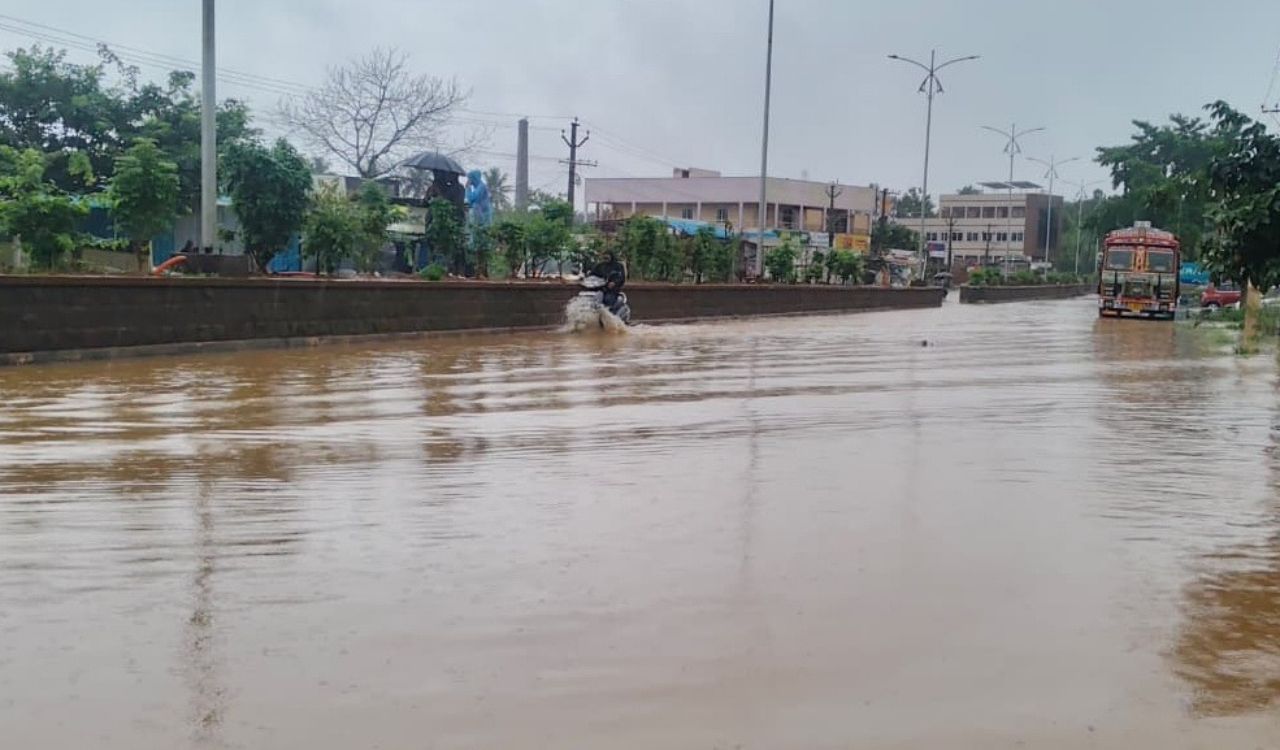
In the Bay of Bengal, the weather is not merely changing; it is repeating itself with a punishing frequency. A depression is currently moving north-northwest across the water, traveling at a speed of 15 kmph and sitting approximately 620 km from Trincomalee. While a depression is a low-pressure system, the IMD warns that this particular disturbance is on a trajectory to intensify into a severe cyclonic storm by November 17.
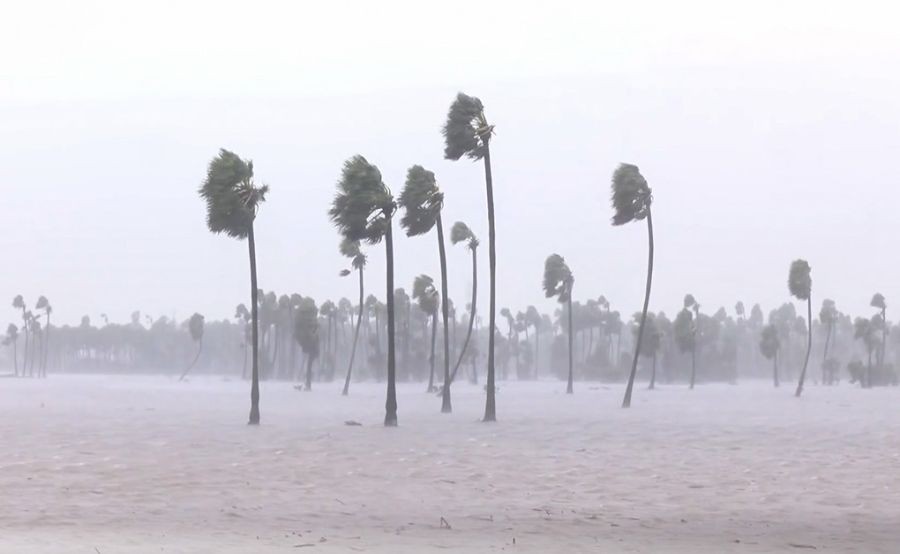
For the residents of the North Andhra coastal region, this is not a theoretical meteorological event. It is the third major atmospheric threat in less than three weeks. The region is currently reeling from the immediate aftermath of two recent cyclones, 'Arnab' and 'Murasu,' which have left a trail of destruction in their wake. As the new storm gathers strength, the sense of urgency is dictated by the memory of what happened just twenty days ago.
To understand the anxiety currently gripping the state, one must look at the ledger of the recent cyclone, Murasu. The economic impact of such storms is often measured in the staggering numbers of lost livelihoods and broken infrastructure. Cyclone Murasu alone resulted in an estimated loss of approximately Rs 1,919.59 crore. This is not just a figure on a government spreadsheet; it represents the sudden evaporation of stability for entire communities.
While the economic figures are massive, the most sobering metric is the human cost.
The agricultural sector, the lifeblood of the coastal economy, bore the brunt of the fury. The storm ravaged crops across 1,43,122 hectares of land. For the 1,86,063 farmers whose fields were swallowed by the wind and rain, the loss is deeply personal and profoundly difficult to recover from. When a season's worth of labor is wiped out in a matter of hours, the path to stability becomes long and uncertain.

IMD Update Depression over SE & adjoining SW Bay of Bengal is moving north-northwestwards. Likely to intensify into a Cyclonic Storm Akvan by Nov 16 and a Severe Cyclonic Storm by Nov 17, moving towards the Andhra Pradesh coast. 🌀 #Cyclone #BayOfBengal #WeatherUpdate https://t.co/CFtriDu38j
While the economic figures are massive, the most sobering metric is the human cost. The two cyclones that struck the Andhra Pradesh coast within the last 20 days resulted in 15 deaths. These fatalities serve as a grim reminder that behind every weather alert and every hectare of damaged crops, there are lives interrupted and families forever changed. The infrastructure damage caused by 'Arnab' and 'Murasu' has already strained the state's capacity to respond, making the arrival of a third system particularly precarious.
As the depression moves closer to the shore, the window for preparation is closing. The India Meteorological Department has issued a formal cyclone alert for the coasts of both Andhra Pradesh and Odisha, signaling that the danger is no longer confined to a single state. The projected path suggests that the North Andhra coast will be the primary target as the system matures.
Prakhar Jain of the India Meteorological Department has provided a specific window for the expected impact. "North Andhra may experience heavy rain accompanied by strong winds on Thursday and Friday," Jain noted, outlining the period when the storm is expected to make its presence most felt. This window of Thursday and Friday represents a critical period for local authorities and residents alike.
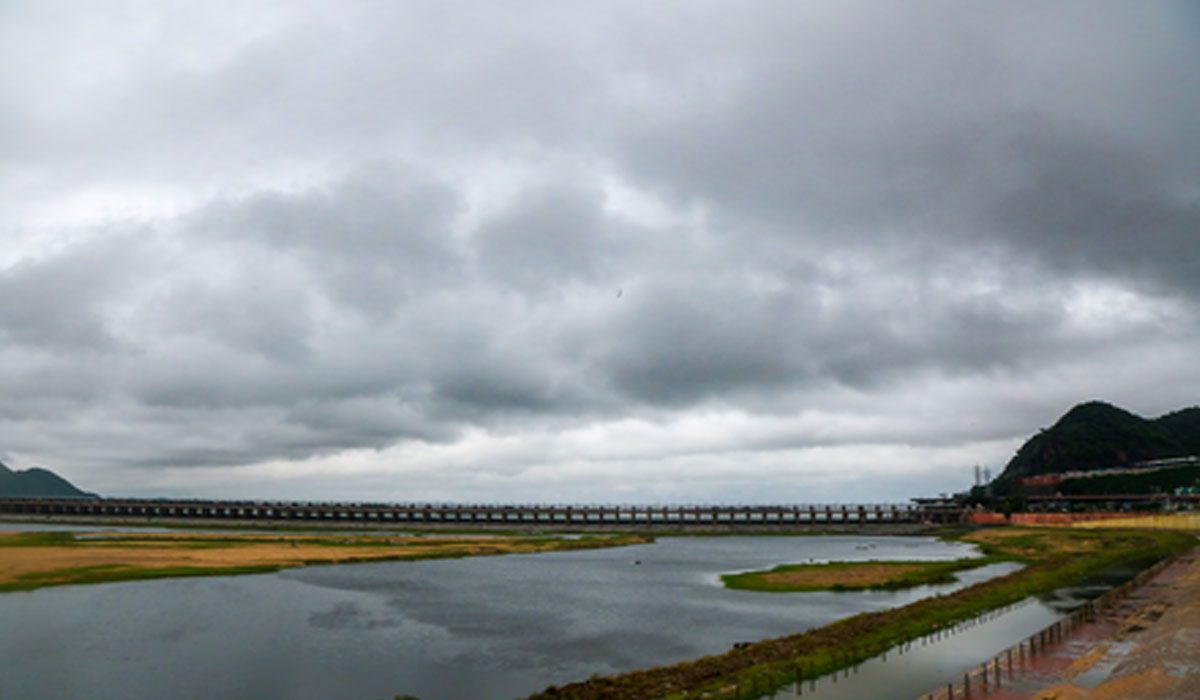

Another severe cyclone is likely to approach the Andhra Pradesh coast on November 17, the IMD has warned. North Andhra may experience heavy rainfall and strong winds. https://t.co/EtbrlHnYq0
In response to the intensifying threat, the Andhra Pradesh State Disaster Management Authority has moved into an active advisory role. The authority has urged residents and farmers to take immediate precautionary measures. For those living on the edge of the sea, precaution means more than just securing property; it means preparing for the possibility of heavy rains and the violent winds that accompany a severe cyclonic storm.
Fishermen, whose livelihoods depend on the very waters currently churning with the developing storm, have been specifically advised to take precautions. The unpredictability of the sea, compounded by the rapid intensification of the depression, makes the upcoming days a period of high risk for those working the coastal waters.
As November 17 approaches, the focus remains on the North Andhra coast. The state is caught in a cycle of recovery and readiness, attempting to mend the damage from Murasu and Arnab while simultaneously bracing for a storm that promises to be even more severe. The ability of the region to absorb another blow will depend on the speed of the weather's progression and the effectiveness of the precautionary measures taken in these final hours of relative calm.

Fresh Cyclone Alert Looms Over Andhra Pradesh Coast as Severe Storm Gathers Strength in Bay of Bengal https://t.co/lxlQOdzB2b #AndhraPradesh #CycloneAlert