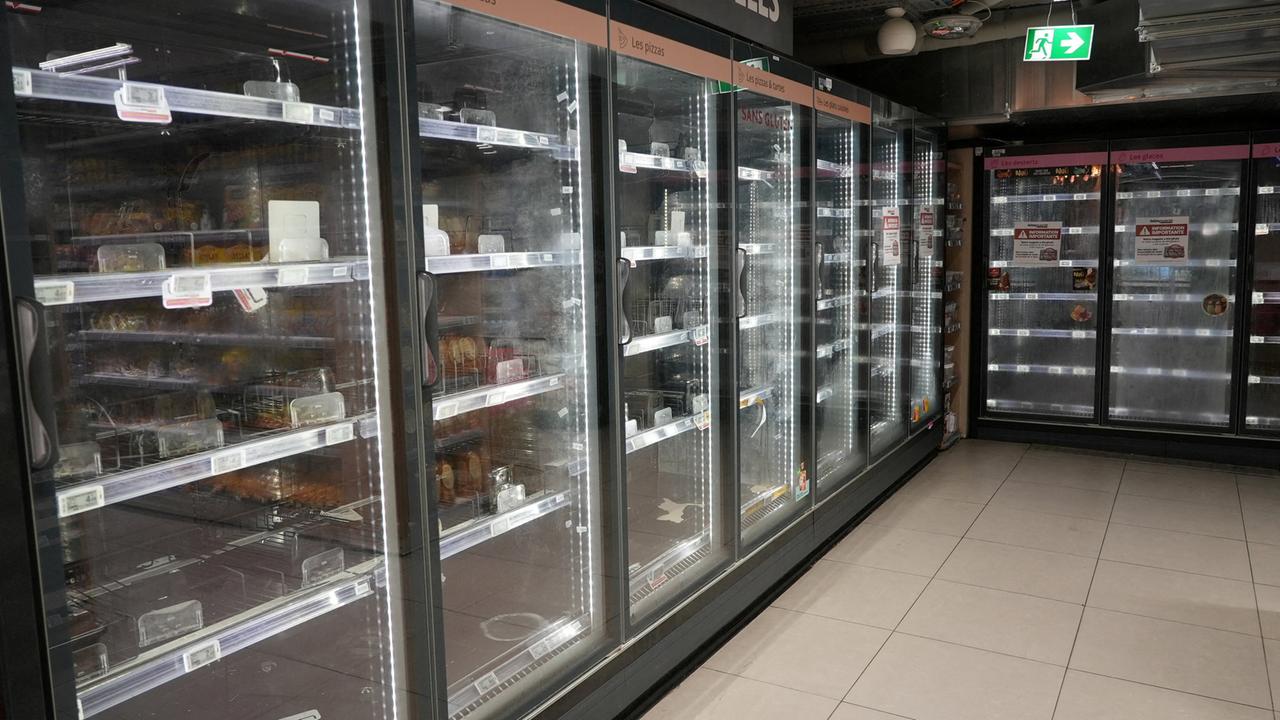
In the early hours of October 11 and 12, a quiet shift in the temperature of supermarket freezers sent ripples through the food supply chain. Remote commands sent from an unseen source forced the cooling systems of dozens of stores to rise to 50 °C, a temperature high enough to melt frozen goods and cause fresh produce to spoil.
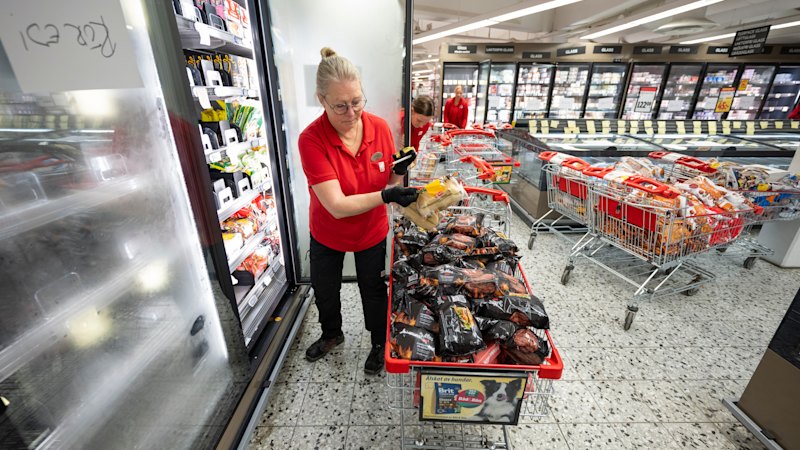
The attack was not limited to a single country. In France alone, chains such as E‑Leclerc, Intermarche, Carrefour, Monoprix, and Cooperative U reported damage. Intermarche’s own figures revealed that at least 300 of its stores were affected, while Carrefour confirmed that 80 of its outlets suffered the same fate. Cooperative U’s 100 supermarkets and Monoprix’s 490 stores were also hit, bringing the total number of retailers under attack to around 700 across the continent.
The sheer magnitude of the operation made it unprecedented. The attackers bypassed temperature controls, a safeguard that had been trusted for decades. The damage was not only financial; it was a blow to the very infrastructure that keeps food safe. The incident exposed a vulnerability in the digital systems that govern everyday life, and it underscored how quickly a cyber‑attack can translate into a physical crisis.
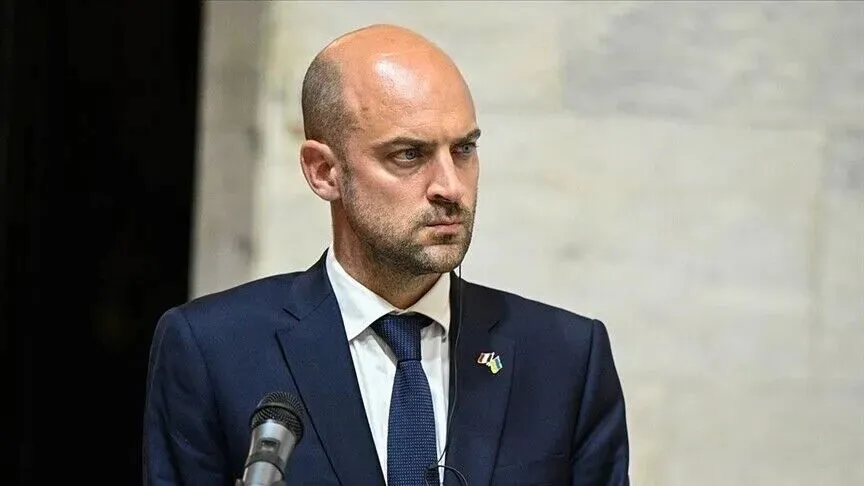
Jean‑Noel Barrot, France’s Foreign Minister, confirmed that the IRGC was behind the attack.
French authorities quickly traced the intrusion back to an Iranian hacking group linked to the Islamic Revolutionary Guard Corps (IRGC). Jean‑Noel Barrot, France’s Foreign Minister, confirmed that the IRGC was behind the attack. He stated, “I can confirm that this attack was carried out by the Islamic Revolutionary Guard Corps of the Islamic Republic of Iran.” The group is believed to be part of the IRGC’s electronic and cyber center, specifically the Shahid Kaveh unit.
In the days that followed, France launched a judicial investigation. Laure Beccuau, a prosecutor, announced that the investigation would target the head of the Shahid Kaveh unit and his two deputies, as well as any other individuals who could be identified. On November 9, 2026, the Paris prosecutor’s office requested an international arrest warrant for the unit’s head and deputies, a move that signaled the seriousness of the case.
The same day, the Iranian ambassador was summoned to the French Ministry of Foreign Affairs, a diplomatic gesture that underscored the gravity of the allegations. French officials warned that the attack would not go unpunished and that sanctions would be applied at the European level against all those responsible.
The incident arrived on the agenda of the G7 meeting in late November 2026, a gathering that brought together the world’s leading economies to discuss security and trade. While Tehran has yet to respond to the accusations, the European Union is poised to impose sanctions on individuals linked to the attack, a step that could ripple across international relations and cyber‑security policy.
The story of the fridges that turned into ovens is a stark reminder that the digital and physical worlds are inseparable. As nations grapple with the implications of cyber‑warfare, the supermarket in the middle of a quiet street becomes a symbol of a new kind of battlefield—one where the enemy is invisible, yet the damage is very real.