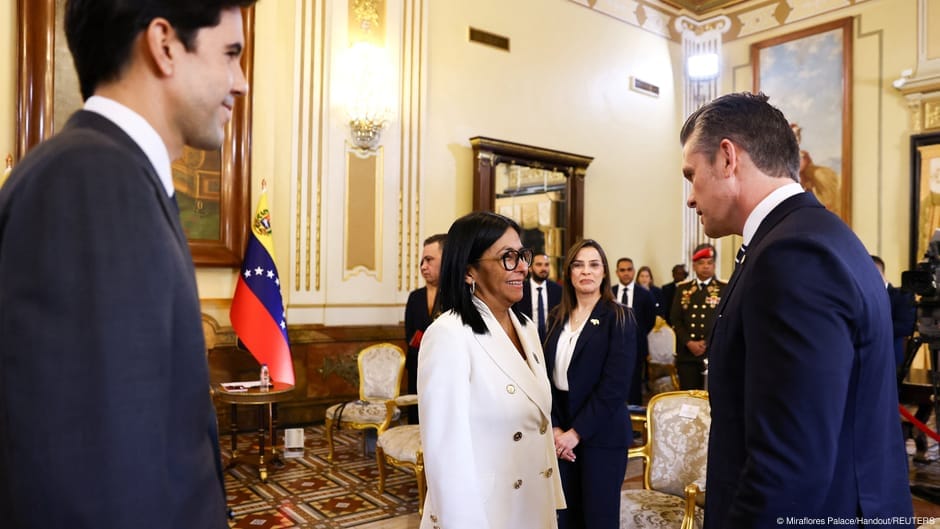
For years, Washington viewed Venezuela through a lens of unyielding hostility, an adversarial state at the edge of the region. But history can turn on a single military raid. Following the dramatic January operation in which US forces deposed and captured former President Nicolas Maduro—whisking him away alongside his wife to face drug trafficking charges in New York—the political landscape of Caracas underwent a profound transformation. What was once described as America's most aggressive regional threat has shifted into what US officials now characterize as a compliant security partner.
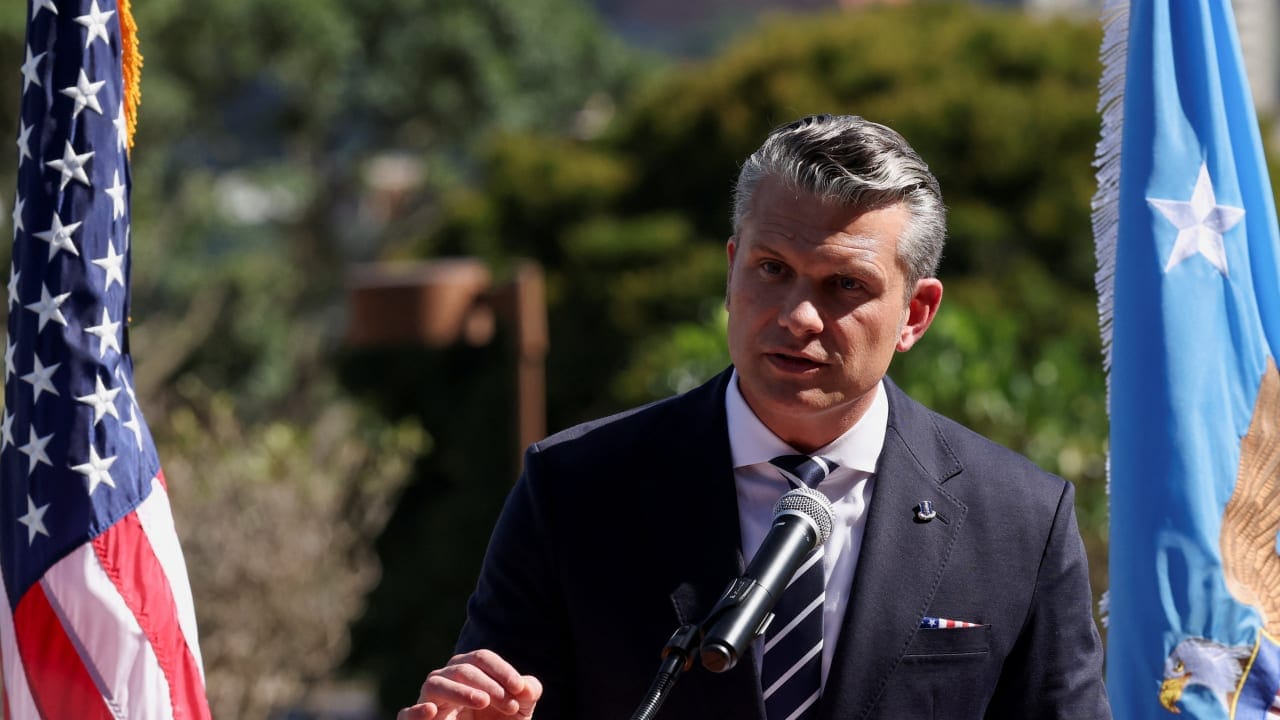
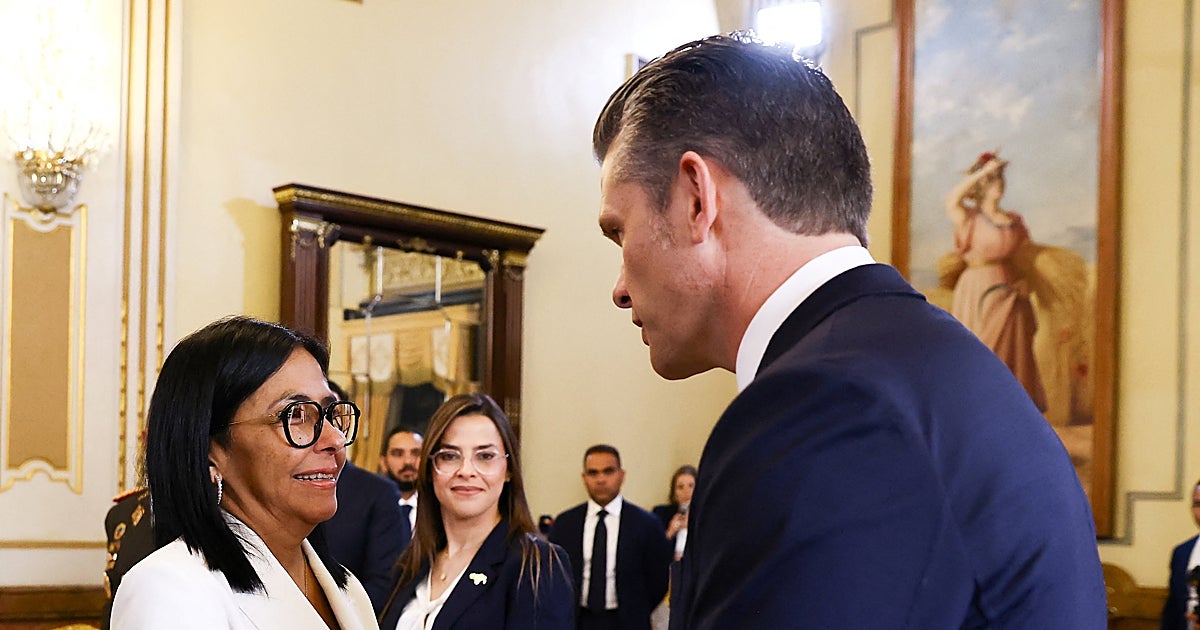
Into this reshaped landscape stepped US Defense Secretary Pete Hegseth, touching down in Venezuela for his first visit since the regime change. Speaking on a Wednesday in Caracas alongside acting President Delcy Rodriguez, Hegseth announced a sweeping new military cooperation agreement designed to rebuild ties that had long lain in ruins. Standing shoulder-to-shoulder with the interim leader, the Defense Secretary framed the pact as a historic reconciliation between two armed forces.

.@SECWAR Full address at the U.S. Embassy in Caracas, Venezuela. https://t.co/1RPwkpyHFm
The agreement itself is broad and multifaceted, touching on the fundamental mechanics of national defense. According to the announcements made during the visit, the deal encompasses joint training initiatives, intelligence sharing, and various other dimensions of military cooperation. For Washington, the arrangement is envisioned as a reestablishment of a formal defense partnership, creating an opportunity for the two great militaries to work closely together.
Expressing her aspirations for the pact, Rodriguez noted, "I hope that this technical-military cooperation… can be brought to its highest possible level, so that.
Elaborating on the strategic vision behind the pact, Hegseth spoke of the immense potential for collaboration between the institutions. "We look forward to... deepening our defence cooperation and our defence partnership in ways that utilize the expertise of the US military and the war department alongside the great capabilities of your military," he stated, signaling a robust framework for future joint operations and institutional exchanges.
On the Venezuelan side, the interim government embraced the accord with open arms. Acting President Delcy Rodriguez praised the renewed alignment, emphasizing that the arrangement would play a vital role in helping the nation confront common threats and strengthen the training of its armed forces. Expressing her aspirations for the pact, Rodriguez noted, "I hope that this technical-military cooperation… can be brought to its highest possible level, so that... we may address common threats."
Yet, defense agreements rarely exist in a vacuum, especially in a nation sitting atop some of the world's most coveted petroleum reserves. Washington's growing influence in Venezuela extends far beyond security, deeply embedding itself into the country's vital oil sector. Since Maduro's removal, American officials have maintained a laser focus on energy policy and strategic investment, reshaping how Venezuelan crude reaches international markets.
This economic realignment took tangible form earlier in the year when a major deal in August granted North American Blue Energy Partners long-term access to 17 oilfields, accounting for roughly one-fifth of the entire country's oil reserves. To cement this energy bridge, the United States secured a solid 35 percent stake in the parent company of NABEP.
Run by Venezuelan businessman Alejandro Betancourt, NABEP has ambitious operational targets to meet as the year draws to a close. According to company figures, the firm plans to produce over 250,000 barrels per day of oil by year-end, marking a steady increase over the 224,000 barrels per day it was producing in mid-October.
With the Caracas agreement signed and the contours of the new bilateral relationship firmly established, the Defense Secretary's itinerary did not end in Venezuela. Hegseth was also expected to travel onward to Colombia. There, his mission included delivering a Lockheed Martin Hercules C-130 aircraft and holding high-level discussions regarding regional security cooperation, specifically targeting drug trafficking groups operating across borders.