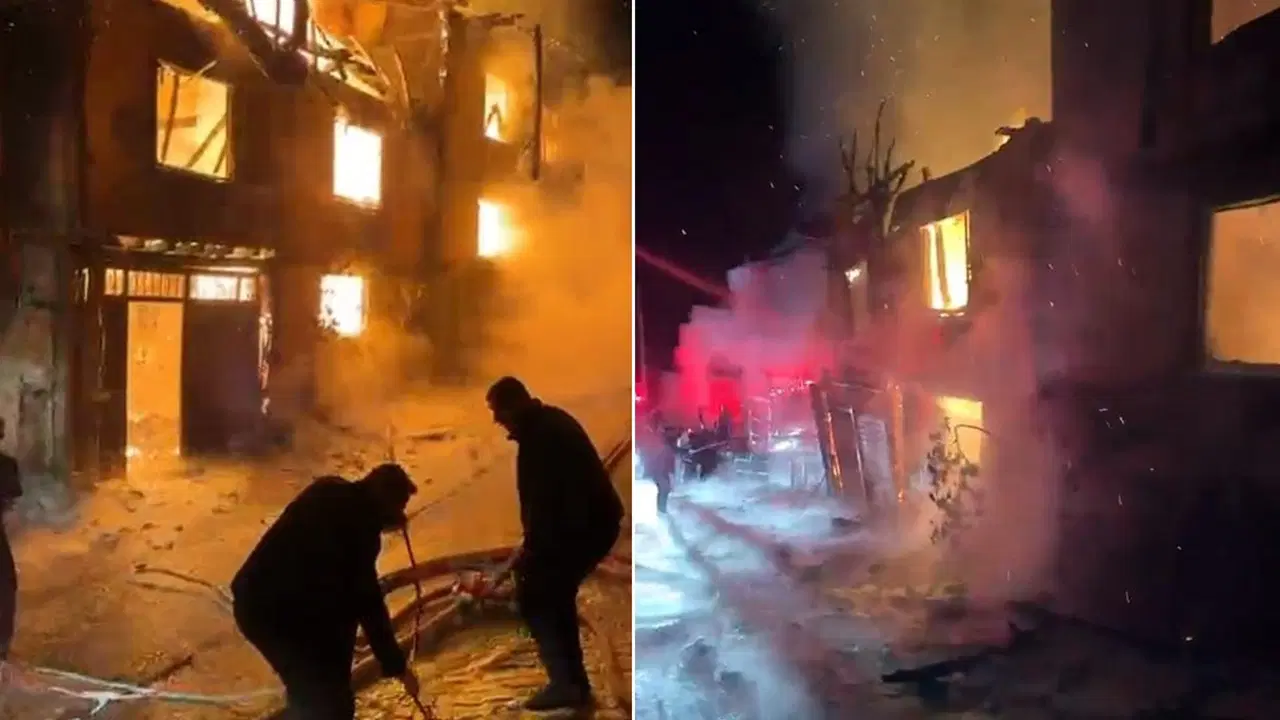
On the evening of November 15, 2026, at approximately 19:30, a fire of unknown origin broke out in a residential house in Turgutalp district, a rural area of İnegöl in Bursa province. The sudden blaze disrupted the quiet neighborhood, marking the beginning of what would become a significant emergency response operation. The fire's initial location in this rural setting meant that immediate containment was challenging, allowing flames to quickly find new fuel sources among the closely situated homes.

The fire's progression was alarmingly swift, as flames leaped from the initial house to four adjacent residences. This rapid transformation of a single household incident into a multi-home emergency underscored the vulnerability of rural housing arrangements where properties are often built in close proximity. The spread of fire to four additional houses created a complex firefighting challenge that required additional resources beyond what might have been needed for a single dwelling fire.
As the fire continued to spread, multiple fire teams from İnegöl and surrounding districts were deployed to the scene. The arrival of these specialized crews marked the beginning of an organized effort to combat the blaze. The mobilization of resources from neighboring areas demonstrated the severity of the situation and the need for a coordinated response to prevent further property damage and ensure the safety of residents in the vicinity.
As the firefighting operation unfolded, the human impact of the disaster became apparent.
Emergency services worked diligently to establish a perimeter around the burning structures while simultaneously battling the flames from multiple angles. Fire crews were deployed to the scene from İnegöl and surrounding districts to address the emergency. The coordinated arrival of these teams highlighted the scale of the incident and the necessity of a unified approach to managing the rapidly evolving situation.
As the firefighting operation unfolded, the human impact of the disaster became apparent. Ten individuals were affected by smoke inhalation, requiring immediate medical attention. Emergency medical teams were on site to provide initial treatment before transporting the affected individuals to ambulances for further care. The smoke inhalation cases represented the primary human cost of the fire, highlighting the ever-present danger that residential fires pose to occupants and neighbors alike.
Authorities reported that efforts to extinguish the fire were ongoing at the time of reporting. Given the severity of the incident and the involvement of multiple fire teams from İnegöl and surrounding districts, officials indicated that the firefighting operation would likely continue until the flames were fully brought under control. The coordinated response emphasized the priority placed on preventing further damage and ensuring safety in the affected rural area.
As the incident continued, residents in Turgutalp faced the immediate consequences of the fire. The rapid spread to four adjacent houses meant that a significant portion of the local neighborhood was affected, requiring a sustained emergency response. The incident served as a stark reminder of the vulnerability of rural communities to fire hazards and the critical importance of emergency response infrastructure in protecting both lives and property in such settings.