
For anyone following American politics, the concept of impeachment feels almost…routine. But the latest attempt, targeting Defense Secretary Pete Hegseth, is unfolding against a distinctly unusual backdrop. It began on December 11th, 2023, when Republican Congressman Thomas Massie introduced eight articles of impeachment against Hegseth. The charges are serious: waging war against Iran without congressional approval and abuse of power. It’s a move that highlights deep fissures within the Republican party, even as the nation navigates ongoing international tensions.
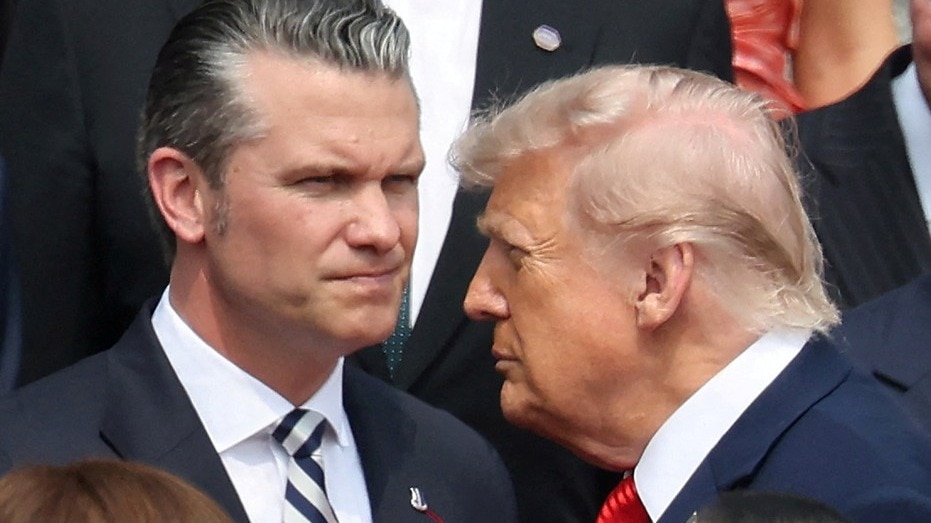
This isn’t the first time the House has considered removing a cabinet member. Back in 1876, William Belknap, then Secretary of War, faced impeachment proceedings – a historical parallel Massie may be hoping to draw attention to. But the current situation feels different, fueled by a specific narrative surrounding Hegseth’s record.
At the heart of the controversy is a claim made by former President Donald Trump: that Hegseth “won two wars.” This statement, offered in defense of his appointee, has become a focal point of the debate. The specifics of which wars Trump refers to remain unstated in the available information, but the assertion itself is central to understanding the political dynamics at play. It’s a bold declaration, and one Massie clearly disputes, given the articles of impeachment he’s put forward.
Massie, in a statement, underscored his commitment to a full debate on the matter.
It's worth noting that the US has been involved in numerous conflicts over the decades, most recently and prominently in Afghanistan. But the idea of definitively “winning” a war is often debated, especially in the context of prolonged engagements and complex geopolitical landscapes.

This is disturbing. Republican Congressman @RepThomasMassie just read his articles of impeachment for Pete Hegseth on the House floor. Below he discusses the illegal strike that killed fleeing school children in Iran. It's chilling to listen to. https://t.co/A74jHHLVe8
The eight articles of impeachment laid out by Massie aren’t simply about disagreement with policy; they allege concrete wrongdoing. The most explosive charge is that Hegseth waged war against Iran without obtaining the necessary congressional approval. The US Constitution grants Congress the power to declare war, and circumventing that process would be a significant overreach of executive authority. The other articles center on accusations of abusing his power as Defense Secretary.
Massie, in a statement, underscored his commitment to a full debate on the matter. “They may try to get out of an actual vote on the substance of this,” he said. “We should have a vote and a rigorous debate on these eight articles.” This suggests Massie anticipates resistance to bringing the impeachment to a vote, and is determined to force the issue.
The reaction within the House has been predictably split. House Speaker Mike Johnson, while a Republican, has publicly opposed the impeachment effort. His reasoning is rooted in concerns about the timing. “Impeachment in the middle of hostilities abroad would be a terrible thing for our allies and our enemies to see,” Johnson stated. This highlights a broader concern that pursuing impeachment during a period of international instability could be perceived as weakness or division, potentially emboldening adversaries.

Johnson’s opposition doesn’t necessarily mean the impeachment is dead on arrival, but it does create a significant hurdle. The Speaker controls the House agenda, and his reluctance to prioritize the impeachment could effectively stall the process.

I stand with Pete Hegseth. 🫡🇺🇸
Pete Hegseth has publicly vowed to fight the impeachment, a stance that signals his intention to challenge the removal of his position despite the serious allegations raised by Congressman Massie. This commitment to defend himself suggests he anticipates a protracted battle within the House, where the focus often shifts to the political implications rather than just the factual details of the eight articles.
The immediate next step is a potential House vote on the articles of impeachment. Whether such a vote will occur, and what the outcome will be, remains uncertain. Even if the House were to vote to impeach Hegseth, the process wouldn’t end there. The articles would then be sent to the Senate for a trial.
Conviction in the Senate requires a two-thirds majority – a very high bar to clear, particularly in the current political climate. Given the partisan divisions, a Senate conviction appears unlikely, even if the House were to vote to impeach.

NEW!! In a letter to Sec. Hegseth and OMB Director Vought, 32 bipartisan, bicameral lawmakers are pressing the admin over delays in Ukraine aid They warn $400M in congressionally approved assistance could take until FY2029 to reach Ukraine and are demanding faster delivery https://t.co/ZCbHYaifUR
This impeachment attempt isn’t just about Pete Hegseth’s future. It’s a reflection of the deep ideological divisions within the Republican party, and the ongoing struggle for control of the party’s direction. It also raises fundamental questions about the balance of power between the executive and legislative branches, and the limits of presidential authority in matters of war and peace. The ongoing hostilities abroad mentioned by Speaker Johnson serve as the backdrop for these debates, reminding lawmakers of the real-world consequences of political division during times of military engagement.
As of now, the impeachment effort remains stalled. The House has not scheduled a vote, and Speaker Johnson continues to express reservations. Hegseth has vowed to fight the charges, while Trump continues to defend his Defense Secretary. The situation is fluid, and the outcome remains uncertain. But one thing is clear: this impeachment attempt