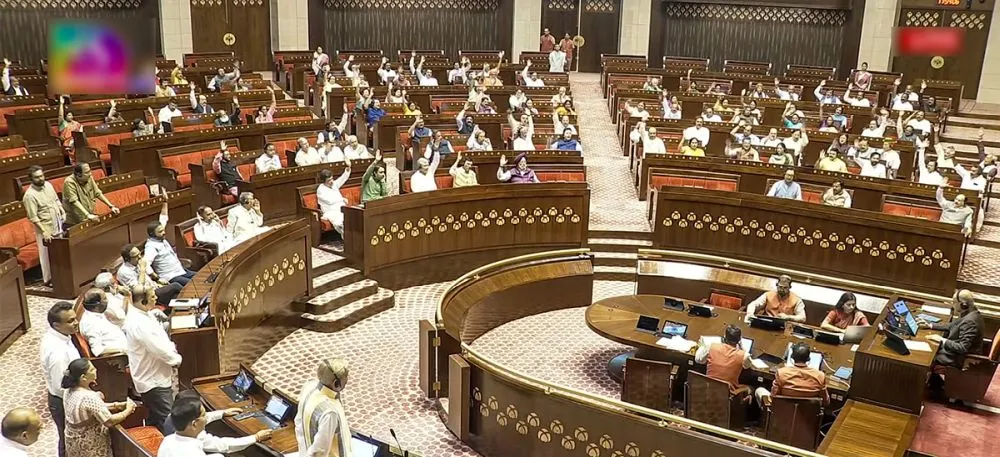
After more than 100 days of suspension, India's Parliament is set to reconvene in a special session that could reshape the country's political landscape. The central government has formally requested the convening of both the Lok Sabha and Rajya Sabha, with the Lok Sabha set to begin on November 30, 2026, and the Rajya Sabha following on December 2, 2026. The sessions are expected to conclude by December 3, 2026, marking a significant return to legislative business after the monsoon session was suspended on August 13, 2026.
Union Minister Kiren Rijiju has requested the speakers of both houses to hold these special sessions with a clear objective: to pass the Women's Reservation Bill and the Delimitation Bill. These pieces of legislation represent critical priorities for the BJP-led NDA government, which now believes it has sufficient numerical strength to overcome the hurdles that prevented their passage in the previous legislative session. The government's confidence stems from expectations of support from various political parties, a development that was notably absent during earlier attempts to advance this legislation.
This parliamentary move is seen as a fulfillment of Prime Minister Narendra Modi's mention of women's reservation during Constitution Day celebrations. The Women's Reservation Law was indeed passed in 2023, but its implementation has remained contingent upon the completion of delimitation and census processes. The special session represents a renewed push to complete these necessary legislative steps, with the ultimate goal of facilitating the implementation of women's reservation in the 2029 Lok Sabha elections.
The suspension of the monsoon session in August 2026 had left Parliament officially closed for over 100 days, creating a significant legislative impasse.
The Delimitation Bill is intrinsically linked to the Women's Reservation Bill. Delimitation refers to the process of fixing boundaries of territorial constituencies of a country having a definite electoral system. The government's legislative package aims to advance both these critical pieces of legislation in tandem, recognizing that the implementation of women's reservation cannot proceed without first addressing the delimitation process.
Prime Minister Modi had previously instructed NDA MPs to remain in Delhi in anticipation of this session, indicating the strategic importance the government places on this legislative opportunity. This move suggests a calculated approach to ensure maximum attendance and support during the special sessions. The government's apparent confidence in securing passage of these bills reflects a significant shift in the political landscape since the previous legislative session.
The suspension of the monsoon session in August 2026 had left Parliament officially closed for over 100 days, creating a significant legislative impasse. The reconvening of Parliament represents an attempt to break this impasse and address essential government business that has been pending. The special sessions are specifically designed to focus on these critical legislative priorities without the distractions that might accompany a longer, more comprehensive parliamentary session.
Should the government succeed in passing these bills during the special session, it would mark a significant milestone in India's democratic journey. The implementation of women's reservation in the 2029 Lok Sabha elections would represent one of the most substantial expansions of political representation in the country's history. The Delimitation process, meanwhile, would ensure that the geographical boundaries of electoral constituencies are redrawn to reflect demographic changes, creating a more accurate framework for representation.
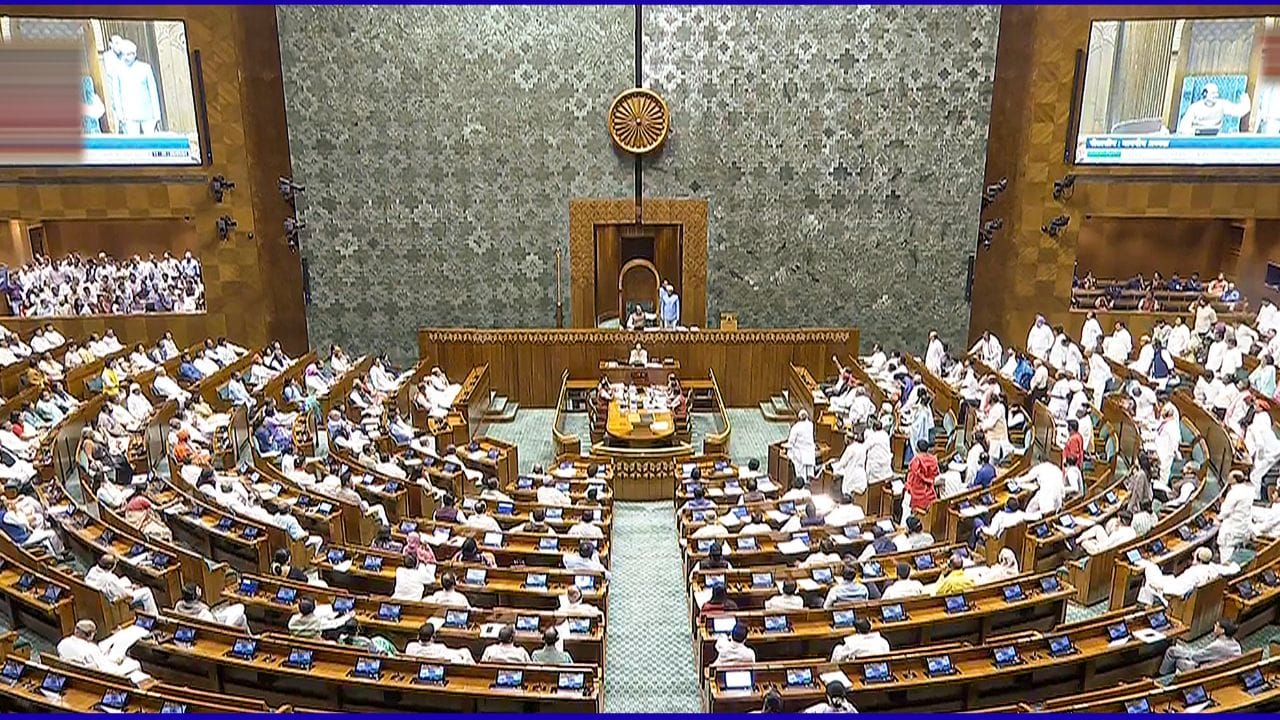
As Parliament prepares to reconvene, all eyes will be on whether the government can indeed secure the necessary support to pass these landmark pieces of legislation. The special sessions represent a pivotal moment in India's legislative calendar, with the potential to reshape the country's political representation for decades to come. The success or failure of this legislative push will likely have significant implications for the political landscape leading up to the 2029 elections.