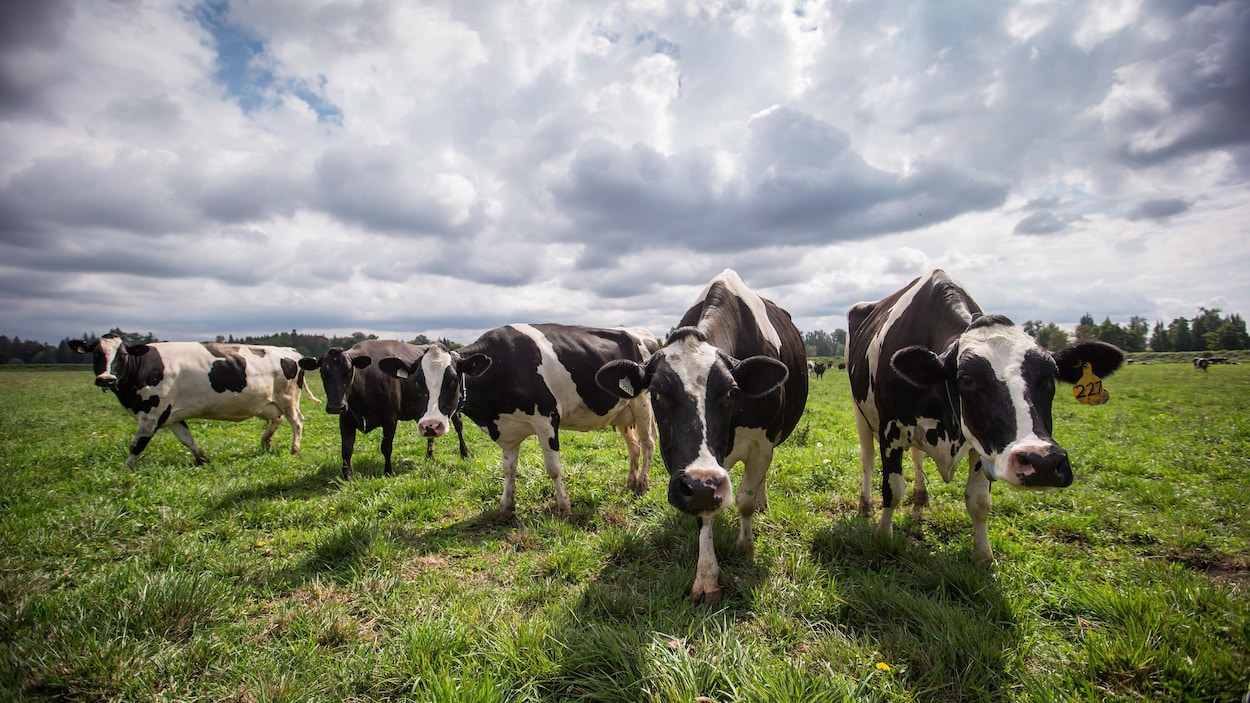
In the picturesque landscapes of Quebec, where the fall foliage paints the countryside in vibrant hues, a growing concern is taking root. The number of rabies cases has been steadily increasing, and the latest development is a cause for alarm: the first confirmed case of raccoon rabies in a cow. This marks a significant shift in the nature of the outbreak, as the disease has traditionally been associated with raccoons, skunks, and foxes. Now, the threat extends to livestock, raising questions about the potential spread to humans and the broader ecosystem.

A bull in Quebec has been confirmed as the first case of raccoon rabies in a cow. The animal, which had not been vaccinated, fell ill and died. The incident is a stark reminder of the unpredictability and severity of the disease. This case marks a significant development in the ongoing rabies outbreak, which has been primarily affecting raccoons, skunks, and foxes since 2024.
The Quebec Ministry of Agriculture has confirmed the first case of rabies in a cow. This development came as a surprise to many, as cows are not typically considered a primary host for the disease. The confirmation of the case in a cow marked a new chapter in the ongoing rabies outbreak, which had been primarily affecting raccoons, skunks, and foxes since 2024. The ministry emphasized the importance of vaccination, especially for outdoor livestock, to prevent the spread of the disease.
The ministry recognized the economic impact of the disease on the agricultural sector and the need to protect both livestock and public health.
The outbreak has been particularly severe, with 329 cases of raccoon rabies reported this year. The disease has spread to several regions, including the Montérégie and Estrie areas, highlighting the need for a coordinated response from the government and local communities. The Quebec Ministry of Agriculture is conducting surveillance and vaccination operations in at-risk areas, urging pet owners to vaccinate their animals to prevent the spread of the disease.
In response to the outbreak, the Quebec government has provided financial support to farmers in certain regions to cover the costs of vaccination. The ministry recognized the economic impact of the disease on the agricultural sector and the need to protect both livestock and public health. Farmers in regions where cases have been reported can apply for financial assistance to help with the vaccination of their animals. This support is aimed at reducing the economic burden on farmers while ensuring the health and safety of their livestock.
The confirmation of the first cow case of raccoon rabies underscores the urgency of the situation. The disease can affect all mammals, including humans, and is primarily transmitted through bites. The Quebec Ministry of Agriculture is taking the necessary steps to contain the outbreak, but the situation remains critical. The government's efforts to conduct surveillance and vaccination operations are crucial in preventing the spread of the disease and protecting the health of both animals and humans.
As the number of cases continues to rise, the Quebec government and local communities are working together to address the outbreak. The confirmation of the first cow case of raccoon rabies is a wake-up call, highlighting the need for increased awareness and preventive measures. The ongoing surveillance and vaccination operations are essential in controlling the spread of the disease and ensuring the safety of the population. The outbreak serves as a reminder of the importance of public health and the need for proactive measures to prevent the spread of zoonotic diseases.