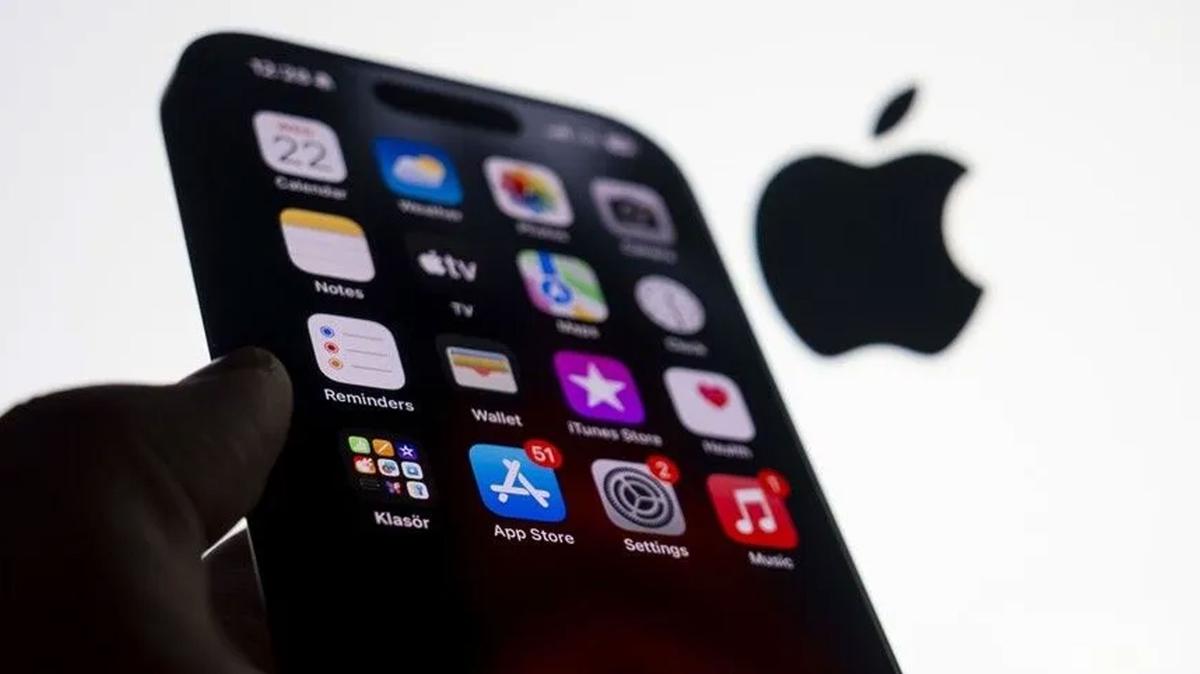
For millions of iPhone users in Turkey, the evening of November 17, 2026, began with a frustrating realization: their digital lives had suddenly been thrown into disarray. Starting around 7:00 PM local time, reports began flooding in that various Apple services were either slow to respond or completely unavailable. What initially seemed like isolated technical glitches quickly evolved into a widespread outage that would affect some of the most fundamental tools in Apple's ecosystem.
The earliest indications came from users trying to access AppleCare On Device, a service that provides technical support directly on users' devices. According to Apple's own system status page, this service had been experiencing outages since 7:15 PM TSI. For many, this was the first sign that something more serious was occurring, as AppleCare represents a critical lifeline for users experiencing technical difficulties with their devices.

Apple Music Outage: Company Says Streamer Is Back Online, Cites ‘Internal Update’ as Cause https://t.co/KyB8F8Jhog
By 8:00 PM, the situation had escalated dramatically. Downdetector, a service that tracks outages by monitoring user reports, showed a significant spike in complaints. Thousands of users were now reporting issues across multiple platforms. The problem wasn't isolated to a single service but had become a systemic failure affecting numerous aspects of Apple's digital infrastructure. This was no longer just a glitch; it was a full-blown outage.
The outage extended beyond Apple's flagship services to include other platforms like Apple Pay, Apple Support, and even Apple Business Manager.
As the situation unfolded, Apple's system status page confirmed what users were experiencing. The App Store and Apple Music, two of Apple's most visible services, had been experiencing outages since 7:45 PM. The company acknowledged that these services "may run slowly or be unavailable." This confirmation came as little comfort to millions of users who rely on these platforms daily for everything from downloading applications to streaming music.

An update gone awry at Apple led to an outage for several services. Apple acknowledged on its system status page that its Apple Music, App Store and AppleCare services suffered full outages and that its iCloud sign-in interface was designated as also having issues. Read the latest at https://t.co/5m3W9ASXwh
Perhaps most concerning for users was the impact on iCloud, Apple's cloud storage and synchronization service. Reports indicated that logging into iCloud accounts had been affected since 7:45 PM, potentially compromising access to photos, documents, and other critical data stored in the cloud. For many, iCloud represents the backbone of their digital lives, and any disruption to its functionality could have significant consequences.
The outage extended beyond Apple's flagship services to include other platforms like Apple Pay, Apple Support, and even Apple Business Manager. This comprehensive failure suggested a deeper issue within Apple's infrastructure rather than a problem with individual services. The breadth of the impact underscored how deeply integrated Apple's ecosystem has become in the daily lives of millions of users.
For ordinary users, the outage was more than just a technical inconvenience. It represented a disruption to their digital routines, potentially affecting everything from work communications to personal entertainment. The timing of the outage, during evening hours when many people are using their devices for leisure or wrapping up work, maximized its impact on daily life.
In a statement acknowledging the situation, Apple indicated that affected services might experience degraded performance or complete unavailability. The company's neutral tone in its communications suggested that while the issue was serious, it was being treated as a standard service disruption rather than a catastrophic failure. Apple's system status page continued to provide updates as engineers worked to resolve the issues.
As the evening progressed, many users found their services gradually returning to normal. However, the incident served as a stark reminder of our increasing dependence on digital platforms and the potential consequences when those platforms fail. For millions of iPhone users in Turkey, the night of November 17, 2026, would be remembered as the evening when their digital world suddenly went dark.