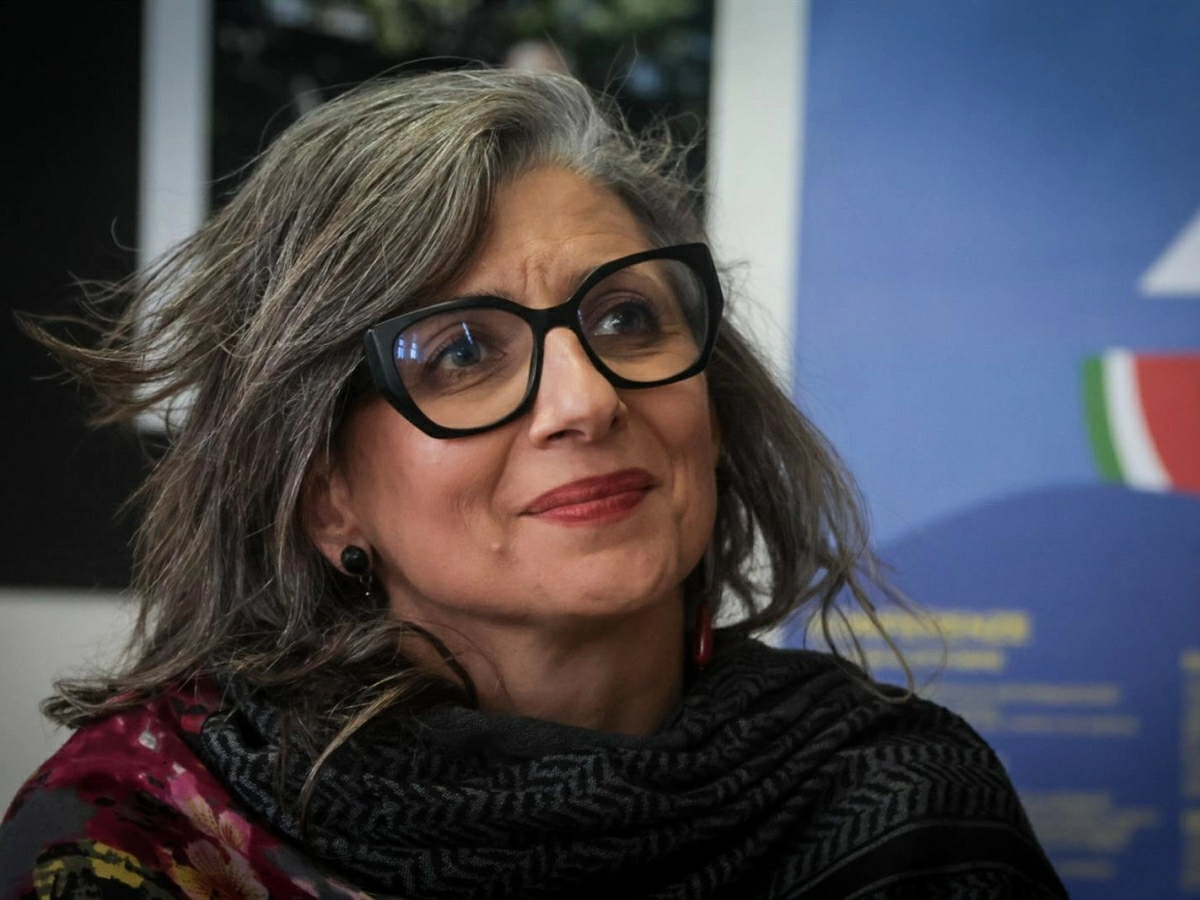
On a Thursday in late November 2026, Francesca Albanese, the United Nations special rapporteur on Palestinian territories, arrived at Juan Santamaria International Airport in San Jose, Costa Rica. She came to receive an honorary doctorate from the University of Costa Rica, an honor recognizing her academic background and work exposing wrongdoing. Instead of being welcomed, Albanese found herself at the center of a diplomatic storm as immigration authorities denied her entry, citing national security concerns.

Costa Rica's immigration director, Omer Badilla, publicly stated that Albanese was denied entry because she "is the subject of an international alert over links to terrorist acts" and poses "a threat to national security." The government justified its decision by claiming an unspecified international alert existed regarding Albanese, though no specific authority or evidence was provided to support these serious allegations. "I hope this clears up any doubts and makes clear the threat this woman poses to national security," Badilla declared.
Albanese immediately rejected the allegations as "defamatory" and "ridiculous." "They have to prove it or retract and apologise," she demanded, emphasizing that no credible evidence had been presented. She noted that even the United States, which had previously sanctioned her for criticizing its policy on Gaza, had not gone so far as to label her a terrorist threat. "Not even the United States went that far," Albanese stated, adding that "what happened is very regrettable."
The incident occurred amid shifting geopolitical alignments in Costa Rica.
The University of Costa Rica, which had planned to award Albanese the honorary degree, urged the government to clarify the legal basis for the decision and ensure due process for the UN expert. The university maintained that the honorary degree would still be awarded, emphasizing that it recognized Albanese for her academic contributions and human rights work. The institution's request highlighted the tension between the government's security claims and the protection of academic freedom and international cooperation.
According to reports, Albanese was held at the airport following her denial of entry. In response, Costa Rica's Constitutional Court issued an interim order to prevent her forced removal while a habeas corpus petition was being considered. This legal intervention created a temporary standoff as authorities grappled with how to proceed while respecting both national security concerns and legal protections.
The incident occurred amid shifting geopolitical alignments in Costa Rica. Under President Laura Fernandez, who took office in May 2025, the Central American nation has pursued closer trade ties with Israel and aligned more closely with United States policies. This shift became particularly evident when Costa Rica signed a free trade agreement with Israel, which Albanese would later criticize in December 2026. The government's decision to deny Albanese entry came shortly after the United States had imposed sanctions on her for her criticisms of Washington's stance on the Gaza conflict, where she has accused Israel of genocide.
In her response to the denial, Albanese offered a broader reflection on the incident: "You see the face of empire the day you touch a nerve or cross its boundaries." This statement suggested she viewed the decision as politically motivated rather than based on genuine security concerns. The incident drew international attention to the tension between national security justifications and the protection of international human rights figures, particularly when such figures criticize powerful nations or their allies.
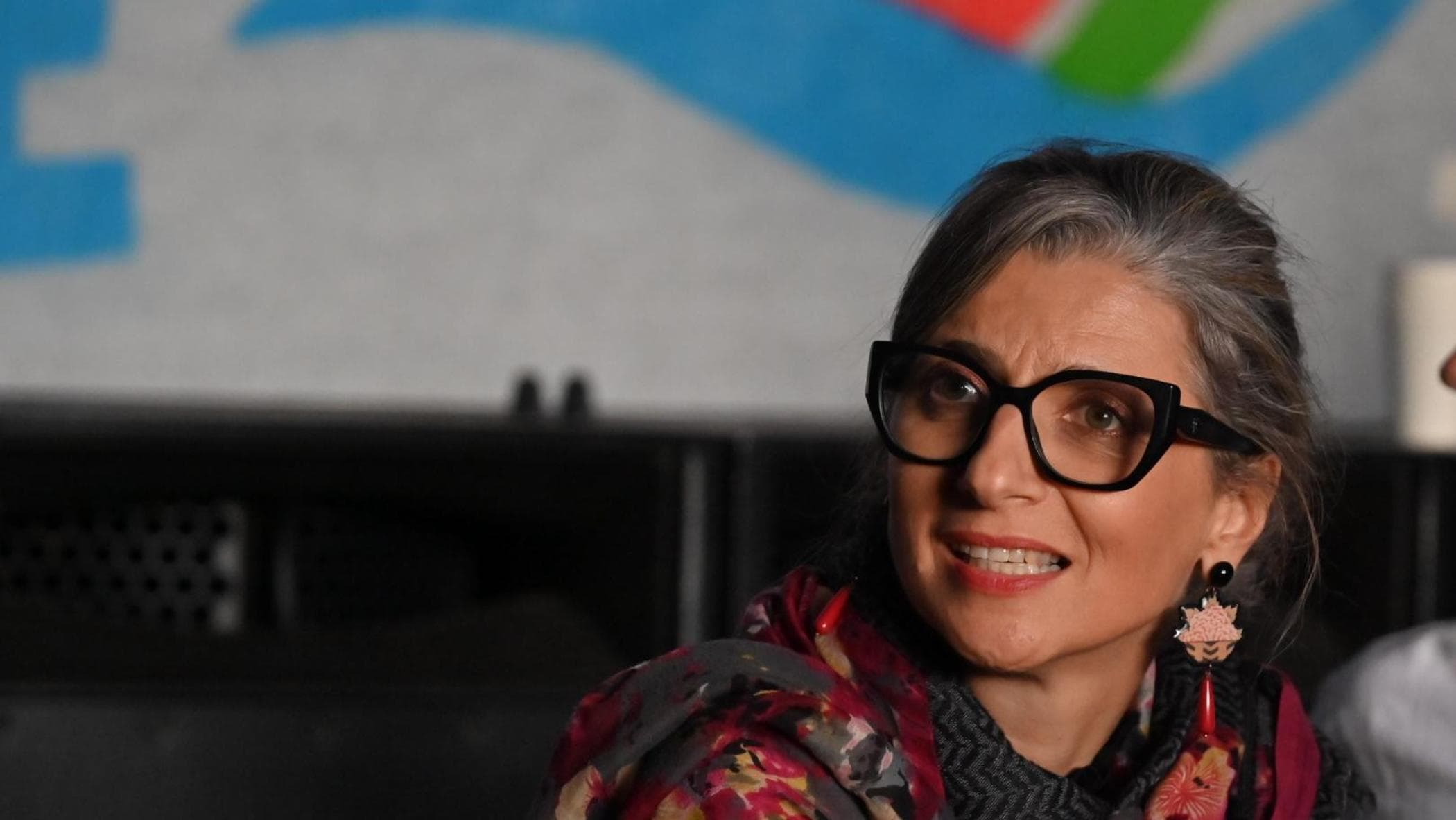
As of late November 2026, the situation remained unresolved, with Albanese still unable to enter Costa Rica to receive her honorary degree. The University of Costa Rica continued to press for clarification from the government, while Albanese maintained her demand that either the allegations be substantiated or an apology be issued. The incident highlighted how geopolitical considerations can complicate the work of international human experts and raised questions about the balance between national security and academic freedom in an increasingly polarized global landscape.