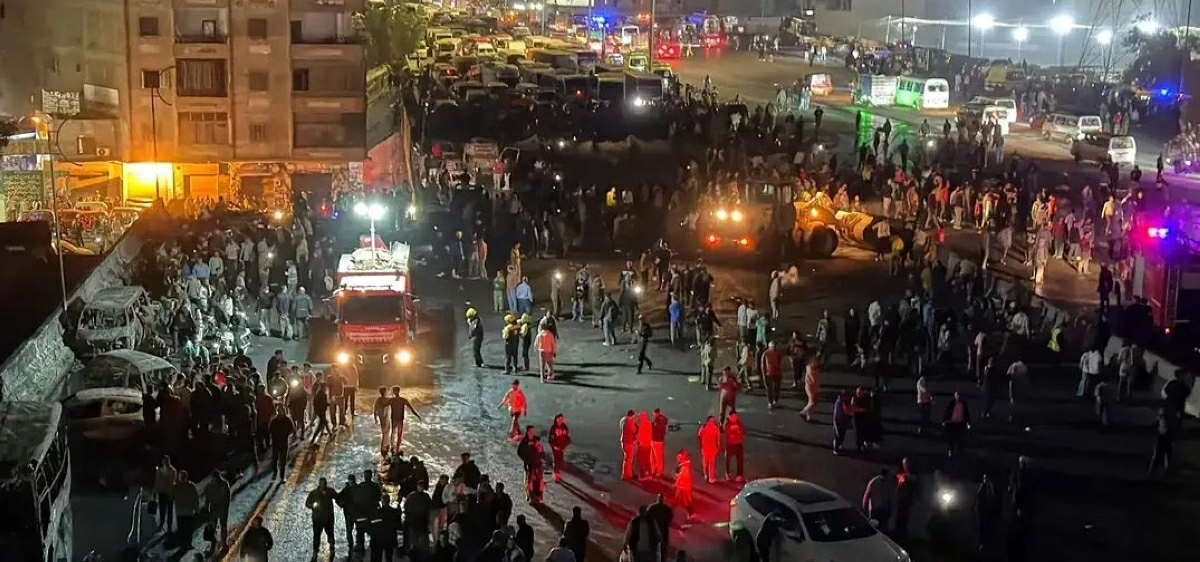
On a Wednesday night in late November, the Ring Road—a vital artery connecting Greater Cairo—transformed from a bustling transit corridor into a landscape of fire and wreckage. What began as a single vehicle losing control ended in a catastrophic explosion that claimed 31 lives and left a trail of charred metal across the Giza Governorate.
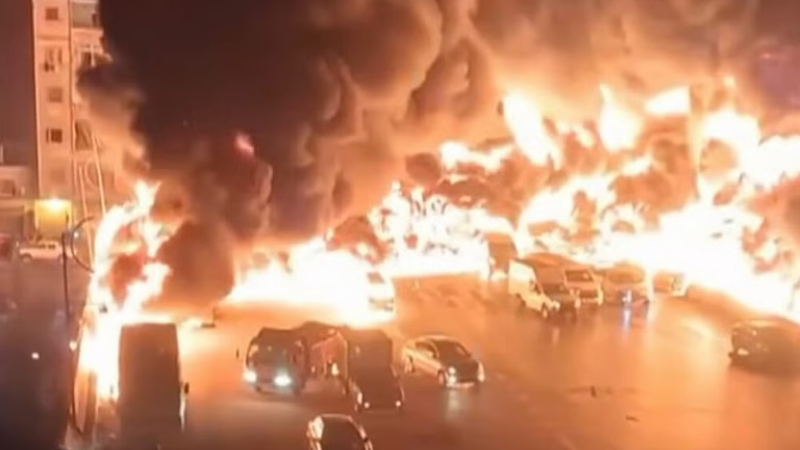
The disaster unfolded in the Warraq district of Imbaba, where an oil tanker traveling along the heavily trafficked highway lost control. The massive vehicle struck a central reservation, overturning and immediately igniting. The resulting explosion was not merely a localized fire; it was a violent release of energy that engulfed everything in its immediate path. As the tanker burned, the flames spread with terrifying speed, consuming at least 27 vehicles caught in the vicinity. Local reports indicated that more than 20 cars and two-wheelers were completely destroyed by the blaze.
The sheer intensity of the fire necessitated a massive mobilization of emergency services. Thirty-nine ambulances were deployed to the scene to manage the chaos of the accident site and the subsequent carnage. Medical teams worked through the night to stabilize victims amidst the smoke and heat. According to the Ministry of Health, the toll of the accident reached 31 deaths, while 21 people were injured in the blast and the ensuing fire. Among those receiving medical attention, four individuals were reported to be in critical condition.
The Ring Road, usually a symbol of connectivity for the region near Cairo, was littered with the remains of commuters.
As the smoke cleared, the physical evidence of the tragedy was stark. The Ring Road, usually a symbol of connectivity for the region near Cairo, was littered with the remains of commuters. The fire did not just damage vehicles; it incinerated them, leaving behind the skeletal remains of cars and motorcycles. Egyptian Health Minister Khaled Abdel Ghaffar confirmed the scale of the medical crisis, stating that "the injured were transported to nearby hospitals" to receive urgent care.
In the immediate aftermath, the darkness of the night was accompanied by a flurry of speculation. On social media, reports circulated suggesting that the accident might have been triggered by a snapped high-tension power line falling onto the highway. However, the Ministry of Transport has officially denied these claims, maintaining that the cause remains under investigation. Authorities have launched a formal inquiry to determine exactly why the tanker lost control and what specific sequence of events led to the massive explosion.
While the specifics of this particular crash are still being parsed by investigators, the event sits within a much larger, more sobering context of transit safety in Egypt. The nation struggles with frequent road accidents, often attributed to the challenges of maintaining infrastructure under heavy use. The statistics are grim: government data shows that approximately 6,000 people died in road accidents nationwide last year. This latest disaster on the Ring Road serves as a devastating reminder of the risks inherent in the country's transit networks.
As the investigation continues, the weight of the loss has been felt at the highest levels of government. President Abdel-Fattah el-Sisi expressed his condolences to the victims and their families, acknowledging the profound tragedy that has struck the Giza region. For the families of the 31 who perished, the investigation into the tanker's failure is more than a matter of official record; it is a search for answers in the wake of a night that changed the landscape of the Warraq district forever.
