In a quiet village in Ramnagar district, 14-year-old Navyashree Chandru faced a daily struggle that most teenagers never have to consider: breathing. A student in the 9th grade, Navyashree suffers from severe respiratory problems that have made ordinary life a challenge. Her doctors had recommended a high-quality oxygen concentrator, a device that could significantly improve her quality of life, but the cost—₹2.50 lakh—was far beyond what her family could afford.

Desperate to help their daughter, Navyashree's family reached out to Union Minister H.D. Kumaraswamy. On August 30, 2025, they met with the minister, sharing their story and pleading for assistance. They explained how respiratory issues were affecting not just Navyashree's health but also her ability to attend school and participate in normal childhood activities. The family's situation, while not unique, highlighted the gap between medical necessity and financial reality for many in rural India.
Moved by their plight, Kumaraswamy took immediate action. Rather than directing them through bureaucratic channels, the minister chose to personally address the need. He purchased a high-end Igogen Row 6 portable oxygen concentrator at his own expense, recognizing that this specific device would best serve Navyashree's needs. The Igogen Row 6 represents the kind of advanced medical technology that can transform a patient's life, offering reliable oxygen therapy in a portable format.
Its portability means Navyashree can carry it like a backpack to school, allowing her to continue her education without the constant worry of respiratory distress.
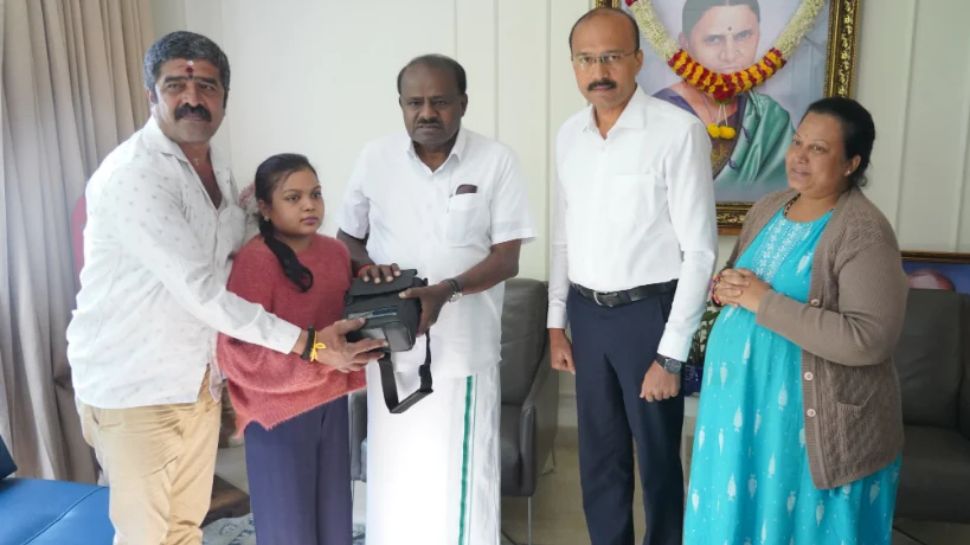
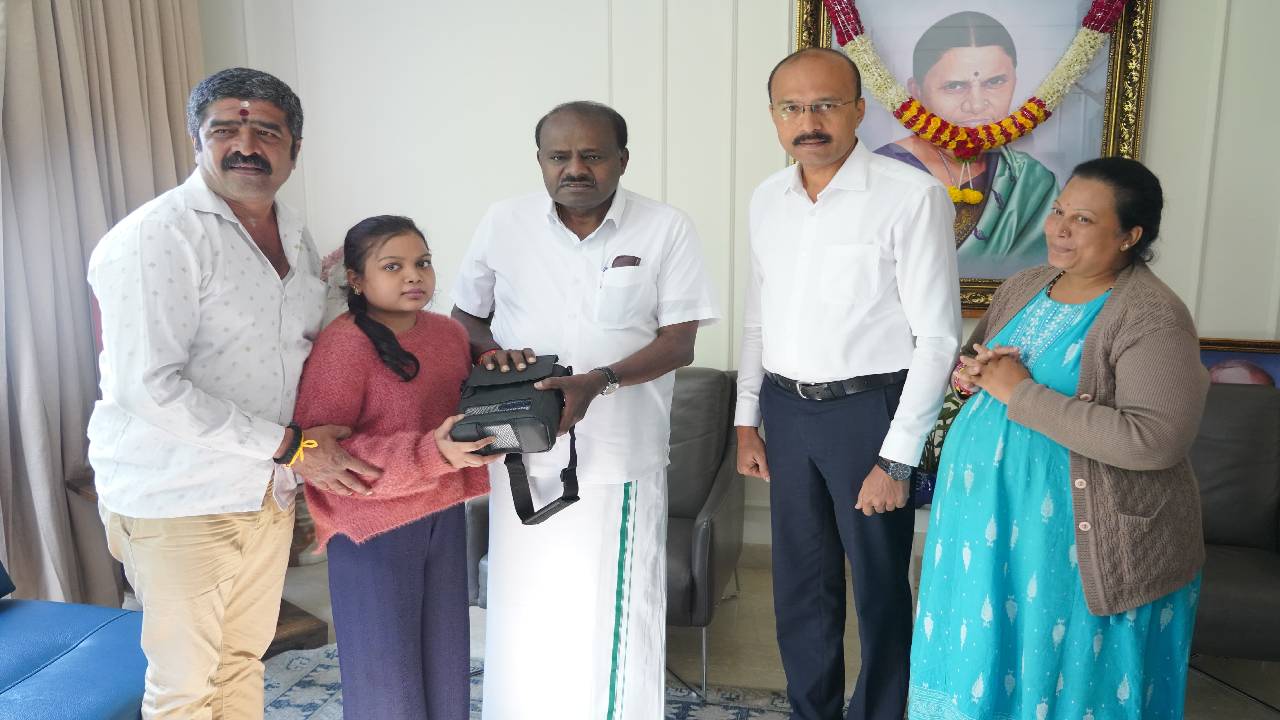
On Thursday morning, November 12, 2026, Kumaraswamy handed over the life-changing device to Navyashree's parents at his residence in JP Nagar, Bengaluru. The portable concentrator, valued at ₹2.50 lakh, represents not just a medical device but a new beginning for the young student. Its portability means Navyashree can carry it like a backpack to school, allowing her to continue her education without the constant worry of respiratory distress.
The minister's gesture went beyond simply providing equipment. Kumaraswamy took the time to speak with the family about the importance of following the prescribed medical treatment. "I have instructed them to follow the doctors' treatment exactly and provide timely information regarding the child's health," he stated, demonstrating a commitment that extended beyond the immediate donation. This follow-up ensures that the device will be used effectively and that Navyashree's health progress can be monitored.
The story of Navyashree and Kumaraswamy's intervention represents more than just a single act of charity. It highlights the critical need for accessible medical technology for those with chronic conditions, particularly in areas where healthcare resources may be limited. The portable oxygen concentrator addresses a fundamental need—the ability to breathe easily—and in doing so, restores a sense of normalcy and possibility for a young student whose future was being constrained by her condition.
Today, Navyashree's family possesses a device that was previously out of reach, thanks to the minister's compassionate response. The Igogen Row 6 concentrator now travels with her to school, offering the oxygen support she needs to participate fully in her education and daily life. Kumaraswamy's personal involvement—from the initial meeting to the follow-up instructions—demonstrates how individual action can bridge gaps in healthcare access. For Navyashree, the device represents more than just medical equipment; it's a ticket to a more normal, hopeful future.