
For millions of households across the Delhi-NCR region, the morning ritual is often defined by a simple, essential constant: the arrival of milk. It is a staple that anchors the breakfast table, a fundamental component of nutrition and daily life. But starting Thursday, November 12, that ritual will carry a slightly heavier price tag. Mother Dairy, the largest milk supplier in the Delhi-NCR region, has announced it is increasing the cost of its milk by 2 to 4 rupees per liter.
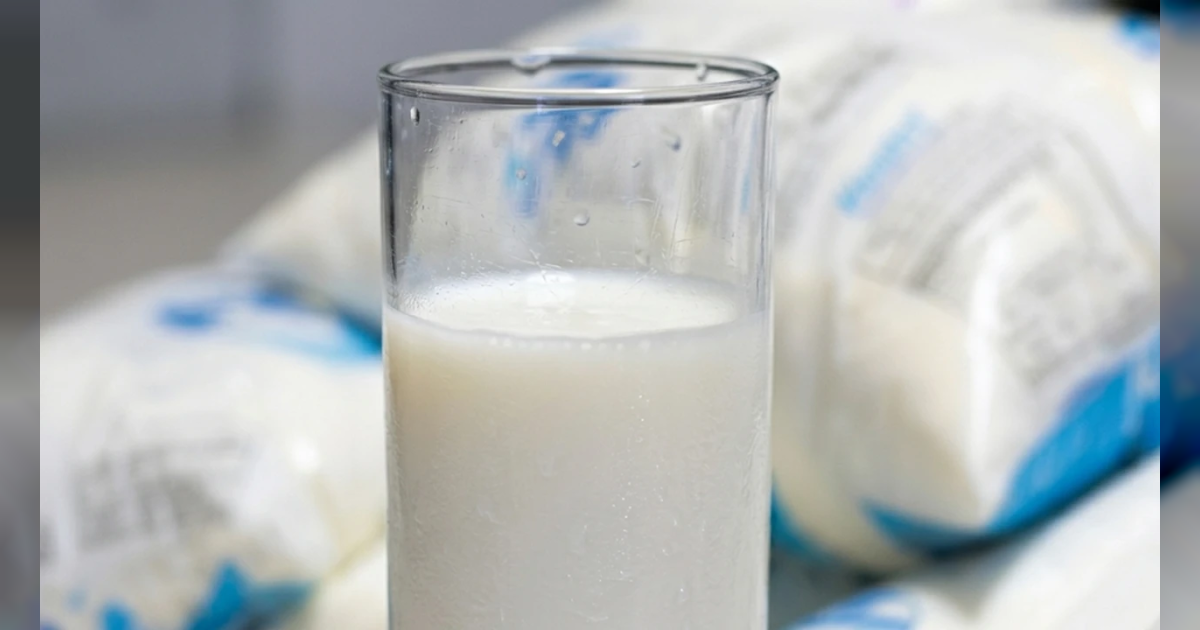
This adjustment is not merely a minor fluctuation in the market; it is a shift that touches a massive logistical and social network. To understand the scale of this change, one must look at the sheer volume of milk moving through the system. Mother Dairy sells over 50 lakh liters of milk every single day across India, with a staggering 35 lakh liters of that daily total flowing specifically through the Delhi-NCR area. When a company of this magnitude moves its price point, the ripple effects are felt immediately in every local grocery store and household pantry.
This latest move is not an isolated event, but rather a continuation of a trend that has been building for some time. The company has cited rising production and procurement costs as the primary drivers behind the decision. Procurement, in this context, refers to the process of purchasing raw milk from farmers to fuel the company's massive distribution engine. As the costs to acquire this raw material climb, the company has found it necessary to pass those costs along to the consumer.
Under the new pricing structure effective November 12, that price moves to 60 rupees.
Looking back at the timeline, this is the second significant price increase the company has implemented this year. The history of price revisions shows a recurring necessity to adjust to economic pressures. This pattern suggests that the underlying economic forces—the costs of production and the expenses involved in sourcing from the agricultural sector—are not static, but are instead part of a continuous upward trajectory.

Mother Dairy hikes milk prices by ₹2-4 per litre from November 12 https://t.co/JFr8OfSpdF
For the consumer, the impact of a 2 to 4 rupee increase varies depending on the specific type of milk being purchased. The price hike affects a wide spectrum of products, from the standard toned milk used in everyday tea and coffee to the richer, more indulgent full cream varieties.
In the bulk market, for instance, toned milk—a variety that has undergone processing to reduce fat content—was previously priced at 58 rupees per liter. Under the new pricing structure effective November 12, that price moves to 60 rupees. The shift is even more pronounced in the full cream segment. Previously priced at 72 rupees per liter, full cream milk will now cost 76 rupees. Other varieties, including double toned milk and cow milk, are also subject to these adjustments, ensuring that the cost increase is felt across the company's entire product portfolio.
To understand why these increases occur, one must look at the complex relationship between the dairy giant and the farmers who provide its lifeblood. Mother Dairy is not just a distributor; it is a massive economic engine deeply integrated with the agricultural community. Established in 1974 and fully owned by the National Dairy Development Board, the company operates with a scale that is difficult to overstate.

While consumers may view price hikes with a critical eye, the internal economics of the company reveal a significant commitment to the source of its product. Mother Dairy reportedly directs 75 to 80 percent of the revenue generated from its milk sales back to the farmers. This high percentage of revenue sharing is a critical component of the dairy ecosystem, ensuring that the people at the very beginning of the supply chain—the producers—receive a substantial portion of the value created.

🥛 Mother Dairy hikes milk prices by up to ₹4 per litre; new rates effective from Nov 12 https://t.co/pX8JXhab1Y #MotherDairy #MilkPriceHike #DairyIndustry #Inflation #CNBCTV18
Despite the challenges of rising costs, the company's broader business trajectory has shown remarkable growth. This growth occurs even as the company navigates the delicate balance of maintaining a massive supply chain while managing the expectations of a vast consumer base.
When production costs increase continuously, as they have in recent years, the company faces a structural dilemma: absorb the costs and risk the stability of the procurement network, or raise prices and risk consumer dissatisfaction. The decision to implement these hikes reflects a choice to prioritize the procurement side of the equation, ensuring that the flow of milk from farmers to the 50 lakh liters sold daily remains uninterrupted.
As the new rates take effect, the conversation around the necessity and timing of the hike continues. While the company has been transparent about the reasons—citing procurement costs—the human element of the decision often remains silent. When asked for further elaboration on the specific drivers behind this latest increase, a Mother Dairy spokesperson refused to comment on the price increase.
For now, the reality for the consumer is a new set of numbers at the checkout counter. The milk that arrives at the doorstep on November 12 will be the same essential product, but the math behind the morning cup has changed, reflecting a broader, ongoing struggle to balance the costs of production with the realities of the marketplace.

BREAKING NEWS: Mother Dairy hikes milk prices by ₹2-4 per litre from November 12.