
For years, the diplomatic landscape of the conflict between Ukraine and Russia has been defined by rigid positions and sharp political rhetoric. In an interview that appeared on October 15, 2023, Jared Kushner, the special envoy to the President of the United States, noted that media outlets had heavily publicized the maximalist stances put forward by both sides, creating a narrative of entrenched division. "The media covered some of the maximalist positions raised by both parties, as well as the sharp political rhetoric," Kushner observed. This assessment served as a prelude to a more nuanced strategy, one that sought to peel back the layers of public posturing to find actionable paths forward. As the conflict has now lasted 4.5 years, the pressure to find a breakthrough has intensified, moving the focus from mere survival to the complex architecture of a potential settlement.
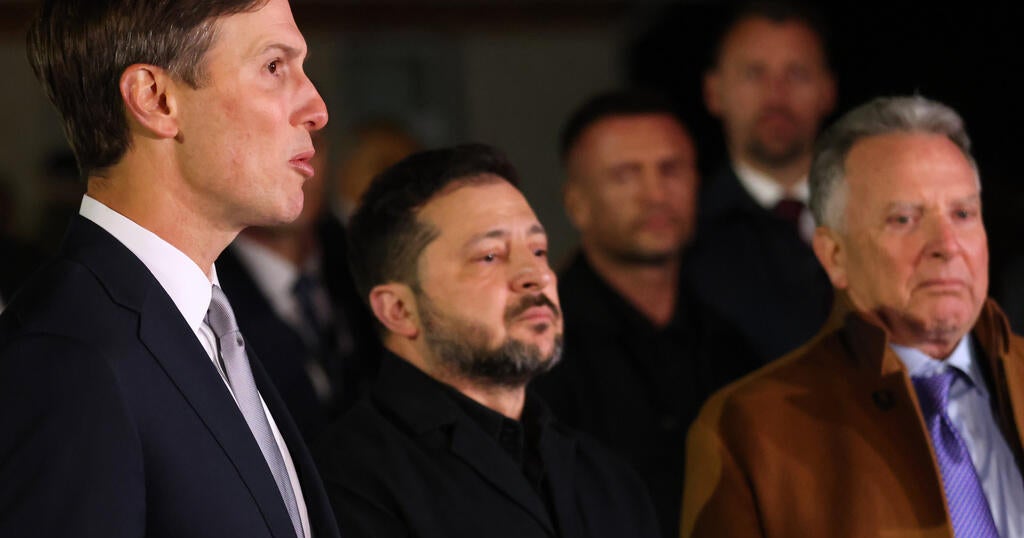
The landscape shifted dramatically in November 2026. On November 14, the United States facilitated the first talks between Russia and Ukraine since February of that year, marking a significant diplomatic thaw. Kushner and Steve Witkoff held meetings with Russian President Vladimir Putin and Ukrainian President Volodymyr Zelenskyy during this period. The result was a new operational focus for the U.S. diplomatic team, moving away from abstract principles toward concrete agenda-setting for future rounds of negotiations.
In the wake of these meetings, Kushner outlined the next steps for the American diplomatic effort. "Our focus is now on facilitating direct engagement between Moscow and European partners and preparing the agenda for the next round of trilateral talks," he stated. This declaration was pivotal because it signaled that the United States was no longer acting solely as a mediator between two warring parties, but as an architect of a broader European security conversation. By bringing European partners into direct dialogue with Moscow, the U.S. was attempting to create a multi-dimensional web of negotiations that could address the root causes of the instability, rather than just its immediate symptoms.
Zelenskyy’s skepticism was rooted in a clear assessment of Moscow’s strategic intent.
However, the discussions in November 2026 were not without their sharp edges. According to Ukrainian President Volodymyr Zelenskyy, the U.S. inquired whether Ukraine would consider withdrawing from parts of eastern Ukraine currently not controlled by Russia in exchange for admission into the North Atlantic Treaty Organization. This proposal struck at the heart of Ukrainian sovereignty. Zelenskyy firmly rejected the idea, reiterating that Kyiv would not surrender its territory. For the Ukrainian leadership, the exchange of land for security guarantees was a non-starter, as it would legitimize the annexation of occupied areas and set a dangerous precedent for the region's territorial integrity.
Zelenskyy expressed deep concern about the implications of the new direct engagement model. "In my view, this can be dangerous," he warned. His apprehension stemmed from the fear that Moscow might use these high-level discussions to weaken Ukraine’s leverage and reshape the continent's borders. From Kyiv’s perspective, allowing Russia a seat at the table of European security negotiations without a prior, binding peace treaty risked turning the process into a tool for Russia to dictate terms.
Zelenskyy’s skepticism was rooted in a clear assessment of Moscow’s strategic intent. "Putin's desire to change borders in Europe is a fact. I am sure this is part of his concept of revising security guarantees in Europe," he stated. This assertion highlighted the fundamental disconnect between the diplomatic goals of the West and the geopolitical ambitions of the Kremlin. While the U.S. and European partners sought to build a stable, rules-based order, the Ukrainian president argued that Russia’s participation in these talks was driven by a desire to normalize the new map of Europe, a map on which its territorial gains would be recognized.
Concurrently, European leaders have stressed that decisions regarding the continent's security must be made by Europeans. This stance serves as a counterweight to any perception that the United States is negotiating on behalf of the European security architecture without full European consent. The warning against allowing Russia to dictate terms or negotiate NATO's future underscores the fragility of the alliance. If Russia is allowed to influence the future of NATO through trilateral talks with the U.S., it effectively cedes a portion of European sovereignty to an adversary. European capitals are therefore pushing for a comprehensive security package that reflects their own strategic interests and values, ensuring that any final agreement is owned by the continent it is meant to protect.
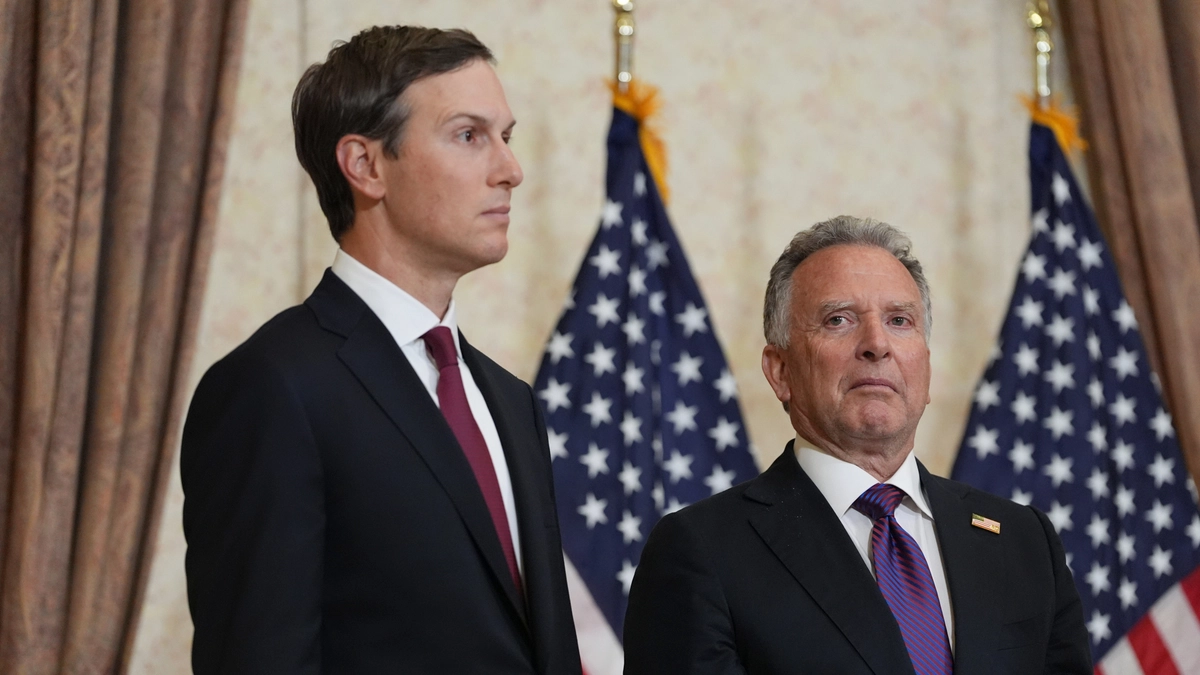
Today, Ukraine is discussing a comprehensive security package with its partners, aiming to align the demands of Kyiv with the assurances offered by the West. The process remains fluid, with some proposals potentially leading to a breakthrough, while others may evolve into new offers to help overcome existing deadlocks. The 4.5 years of conflict have left both sides with complex internal dynamics, making the current diplomatic window critical. While the U.S. continues to facilitate these direct engagements, the ultimate success of the trilateral talks will depend on whether the security guarantees are concrete enough to satisfy Ukraine’s need for sovereignty and strong enough to deter future aggression. The shift from rhetoric to agenda-setting marks a turning point, but the gap between American facilitation and European control, and between Russian ambition and Ukrainian resilience, remains the defining challenge of this new phase.