
For fans of Besiktas, a prominent Istanbul-based club, the journey to support their team took an unexpected turn. Their match against Hapoel Beer-Sheva, originally scheduled for Istanbul, was relocated to Batumi, Georgia. This decision, made following guidance from Turkish authorities, set the stage for a night that would quickly spiral beyond the realm of sporting competition. The move to a neutral venue already speaks to underlying concerns about safety and security. These kinds of decisions aren’t made lightly, and often reflect assessments of potential risk.
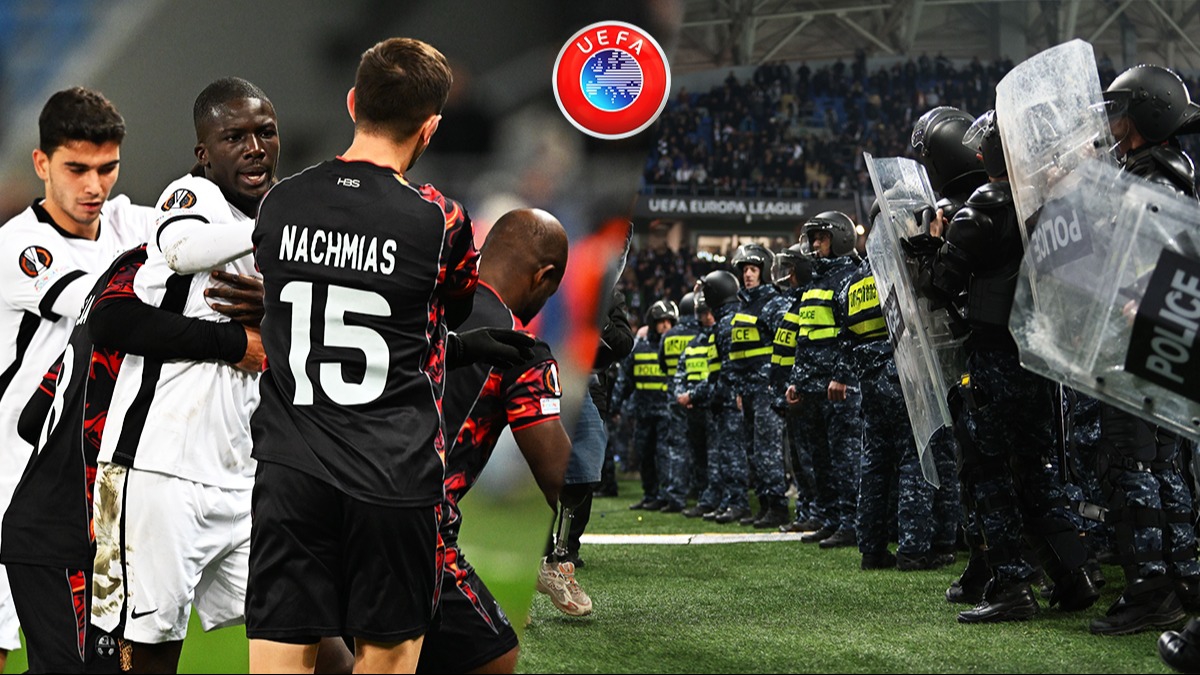
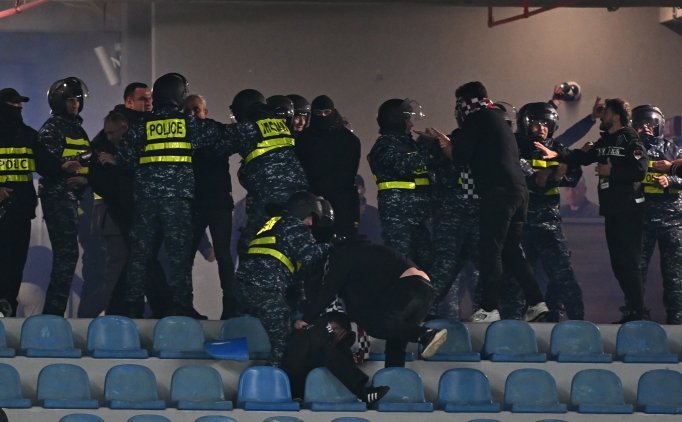
The relocated match unfolded in Batumi. However, the atmosphere quickly soured. Clashes erupted between Besiktas fans themselves, escalating into a physical altercation within the stadium. This internal conflict, a disturbing element in any sporting event, prompted a response from local authorities. The Batumi police moved to intervene, entering the stands in an attempt to quell the fighting. This is where the situation became particularly fraught.
An observer characterized the Georgian police intervention as “disproportionate.” This assessment suggests a concern that the force used by police may have exceeded what was necessary to restore order. While the intention to stop the fighting is understandable, the perception of excessive force can inflame tensions and further escalate conflict. It’s a delicate balance for law enforcement to navigate, particularly in the highly charged environment of a football match.
This indicates a swift response to the unrest, aimed at identifying and removing those involved in the fighting.
Following the disruption – the match was temporarily paused – UEFA issued a statement clarifying its role in the events. The organization was emphatic: it was not the match organizer and, therefore, bore no responsibility for security at the venue. As UEFA explained, “As for all matches of the season, tonight was no different, as UEFA was not the match organizer and was therefore not responsible for and had no control on security matters in the venue.” This statement underscores a key aspect of international football governance: UEFA sets the rules and oversees competitions, but the responsibility for on-the-ground security typically rests with local authorities. The organization also attributed the unrest to the police intervention itself, stating that the clashes began when police entered the Besiktas section of the stadium to break up a fight among fans.
In the immediate aftermath of the clashes, the Batumi police reported detaining 16 people. This indicates a swift response to the unrest, aimed at identifying and removing those involved in the fighting. The number suggests a significant level of disruption, requiring a substantial police presence and intervention.
Despite the interruption, the match between Besiktas and Hapoel Beer-Sheva eventually resumed. While the final score represents the sporting outcome, it’s overshadowed by the events that unfolded in the stands. The resumption of play, while perhaps a necessary step to complete the competition, doesn’t erase the concerns raised about security and police conduct.
UEFA’s firm stance on its lack of security responsibility highlights the complex web of accountability in international sporting events. While the organization oversees the competition, the practicalities of securing a venue fall to local authorities. This division of responsibility isn't uncommon, but it raises questions about coordination and communication. The Turkish Football Federation, for its part, supported the relocation of the match to Georgia, suggesting an acceptance of the security concerns that prompted the move.
Following the incident, UEFA has clearly delineated its position, distancing itself from direct responsibility for the security failures. The debate over the proportionality of the police response is likely to continue. The event serves as a stark reminder of the challenges involved in managing security at international football matches, particularly those relocated due to safety concerns. The incident will likely prompt a review of security protocols for future events, focusing on improved coordination between UEFA, local authorities, and clubs to prevent similar disruptions.