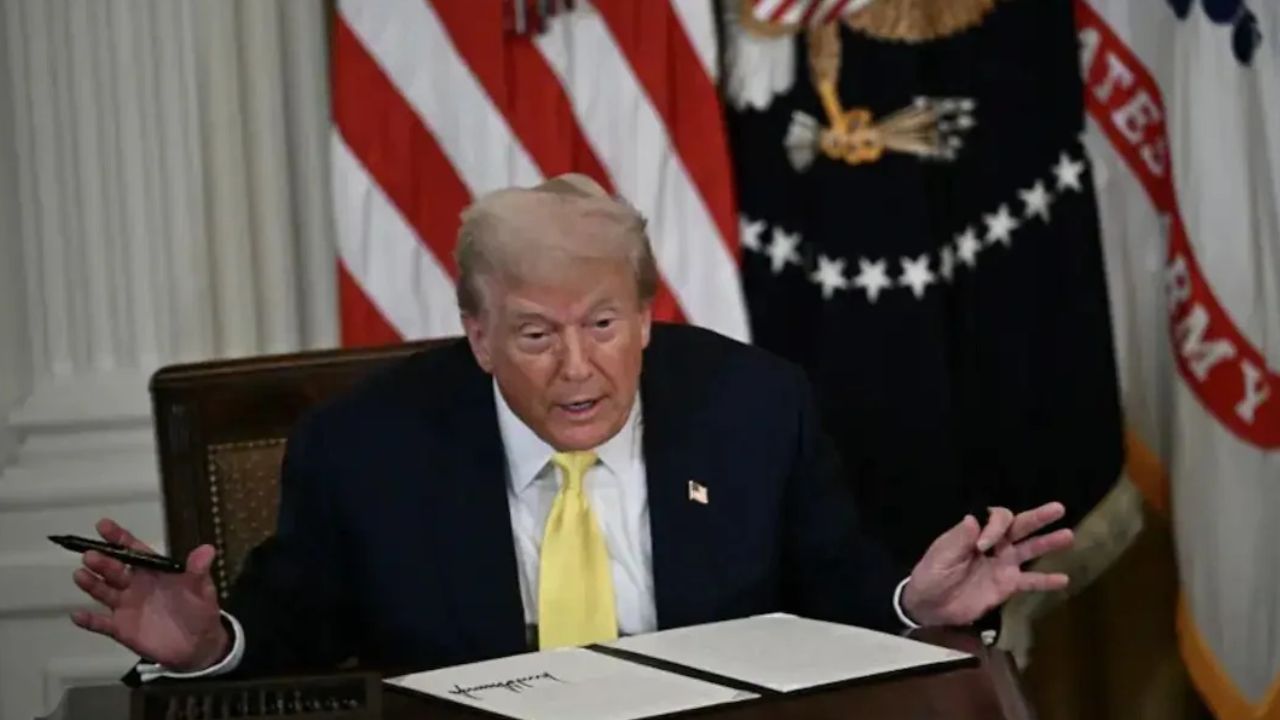
On November 25, 2026, the landscape of international commerce underwent a seismic shift. The United States government, under the Trump administration, unveiled a proposal that could fundamentally alter how goods move between the world's largest economies and the American consumer. At the heart of this proposal is a move to impose significant tariffs—taxes on imported goods—on a select group of nations, with India positioned at the center of a new, more protective American trade policy.
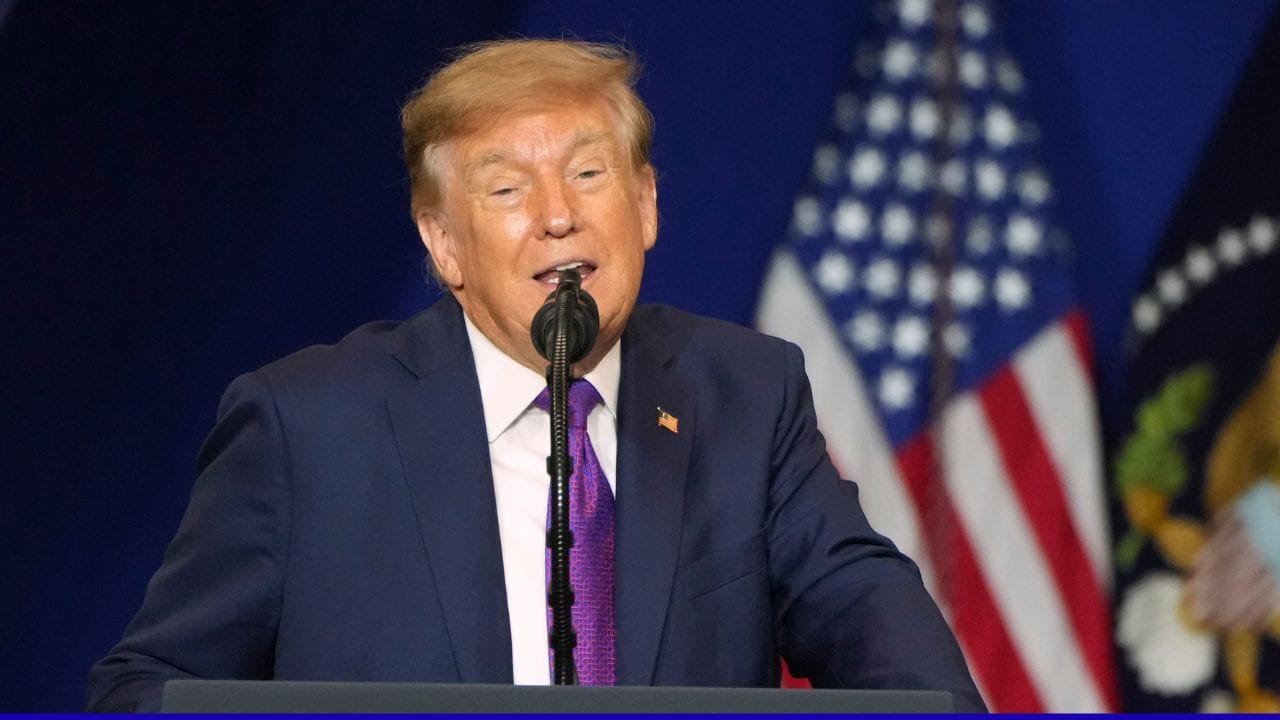
This is not a sudden impulse but the culmination of a rigorous, eight-month investigation conducted under Section 301. Section 301 is a tool used by the United States to investigate and respond to foreign trade practices that are deemed unfair or discriminatory. The investigation focused on addressing what the administration views as excessive industrial production and trade policies that disrupt the domestic economic balance. The result is a roadmap for a new era of protectionism that targets 14 countries in total.
For India, the implications are substantial. The administration has proposed imposing tariffs of up to 25% on Indian goods. To understand the gravity of this, one must consider how such a levy functions: it essentially makes Indian products more expensive for American buyers, potentially driving them toward domestic alternatives or goods from countries with lower trade barriers.
The driving force behind these numbers is a desire to address what the administration describes as excessive industrial production.
India is not alone in this crosshair. The administration has proposed imposing tariffs on 14 countries. The proposal suggests that these tariffs on India would likely be implemented next year, following a period of public consultation intended to gather feedback from stakeholders and the public.
While the 25% figure is a significant hurdle for many emerging economies, the proposal reserves its most aggressive measures for China. In a move that underscores the administration's stance on global trade competition, China faces potential tariffs of up to 40%.
The distinction between the 25% applied to India and the 40% aimed at China highlights a tiered strategy in American trade diplomacy. The administration’s approach appears to distinguish between different levels of perceived trade imbalance or industrial overcapacity. United States Trade Representative proposes imposing tariffs of up to 25% on Indian goods. This creates a high-stakes environment where diplomacy is directly tethered to the threat of massive economic penalties.
The driving force behind these numbers is a desire to address what the administration describes as excessive industrial production. In the modern global economy, when one nation produces goods at a scale that far outstrips its domestic demand, it often seeks to export that surplus to other markets. While this can lower prices for consumers, the U.S. administration argues that such practices can undermine the industrial health of other nations, including its own.
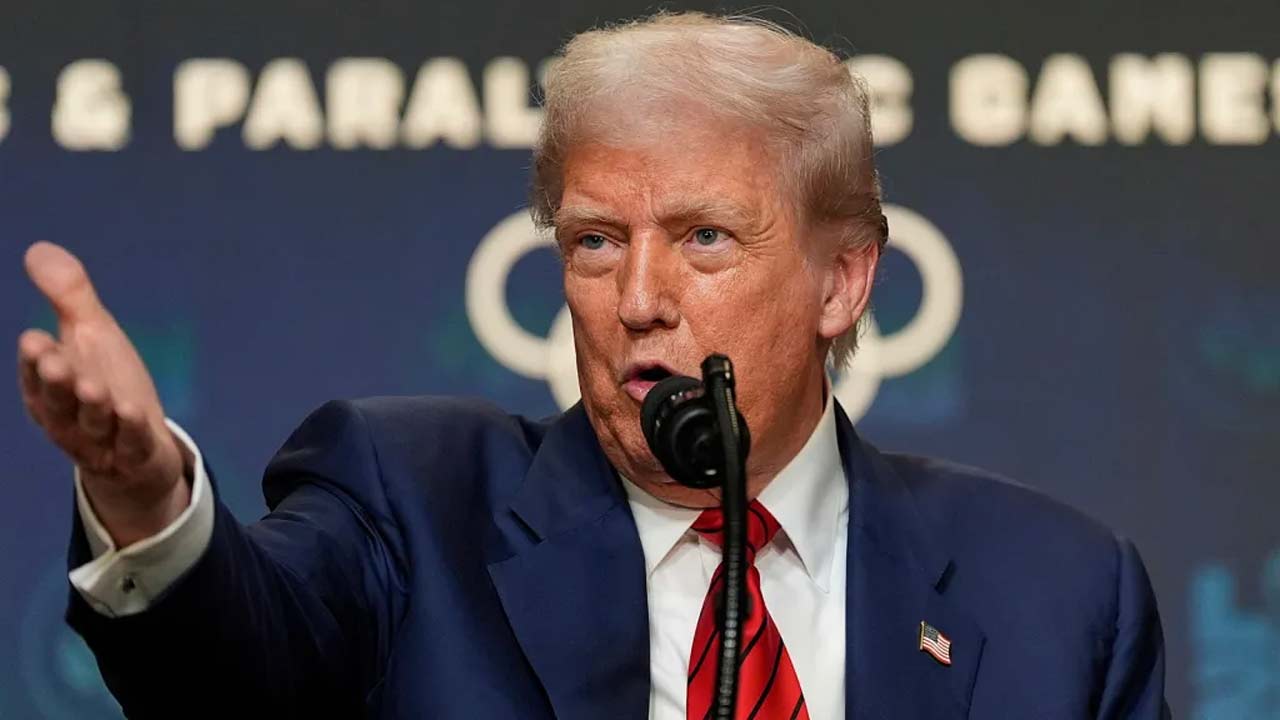
By utilizing the Section 301 investigation, the United States is attempting to use its market power to influence how other countries manage their production and trade policies. The goal is to create a more controlled environment where American industry is not sidelined by the sheer volume of foreign-made goods flooding the market. This is a pivot from the era of rapid, unchecked globalization toward a more guarded, strategic economic posture.
Despite the clarity of the proposal, the path to actual implementation remains paved with procedural steps. The administration has indicated that the tariffs on India and the other targeted nations will not be instantaneous. Instead, the government has committed to a period of public consultation. This phase is critical, as it allows businesses, economists, and government representatives to voice the potential consequences of these levies.
This period of deliberation will likely be a time of intense lobbying and economic forecasting. For Indian exporters, the coming months will be a race to understand how these proposed 25% tariffs might affect their bottom line and their ability to compete in the American market. The uncertainty of the next year is palpable, as the world waits to see if the proposed tariffs will become the new reality of American trade.
As it stands, the United States is drawing a line in the sand. With 14 countries targeted and a tiered system of tariffs ranging from 25% to 40%, the administration is signaling that the rules of engagement for global trade are being rewritten. The focus has shifted from the seamless movement of goods to the strategic management of industrial capacity.
Whether through successful trade negotiations or the hard application of these proposed duties, the relationship between the United States and its major trading partners like India and China is entering a period of profound transformation. The decisions made in the coming months will determine not just the cost of goods on American shelves, but the very structure of the global economic order for years to come.