On a fateful day, a severe train accident occurred in Egypt, leaving a trail of destruction and chaos in its wake. The collision, which took place approximately 76 kilometers south of Cairo, involved two passenger trains that crashed into each other, resulting in the derailment of several carriages. This tragic event has sent shockwaves throughout the country, with the Ministry of Health confirming that at least seven individuals were killed and over 110 were injured.
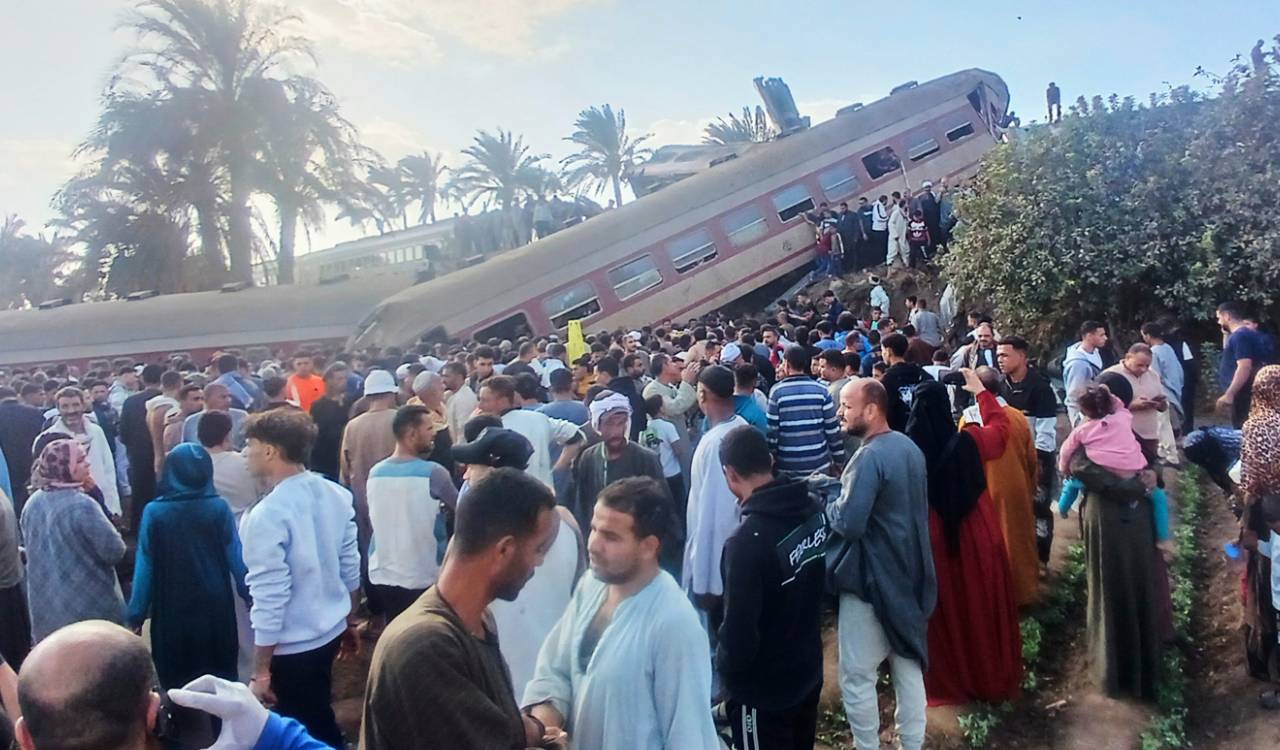
The accident occurred when one train collided with the rear of another train, causing it to derail near Cairo in Egypt's Giza province. The Ministry of Health has confirmed the casualties, and emergency teams, along with cranes, have been dispatched to clear the wreckage and assist victims. As the situation unfolded, it became clear that the accident was one of the most devastating in recent memory, with multiple fatalities and injuries reported.

Train collision in Egypt kills at least 7, injures dozens, health ministry says https://t.co/jJJj8fPSTm
In response to the tragedy, Egyptian President Abdel Fattah al‑Sisi ordered a swift investigation into the crash, warning that those found negligent would be held accountable. The public prosecutor's office also announced that investigations are underway to determine the technical causes of the crash. This swift response is a testament to the government's commitment to getting to the bottom of the tragedy and ensuring that those responsible are brought to justice.
In 2002, a devastating train disaster killed at least 360 people, making it one of the deadliest rail disasters in the country's history.
Eyewitnesses have described the scene as nothing short of horrific, with one witness, Abdel Wahed Mohamed, stating, "The train overturned at around 1:30 pm. Six carriages overturned." Another witness, Ahmed Moussa, recounted the harrowing scene, saying, "There were people piled on top of each other inside." These eyewitness accounts paint a vivid picture of the chaos and destruction that ensued in the aftermath of the accident.

Egypt: Train collision near Giza killed 4 and injured 88.
The train collision is a stark reminder of the risks associated with Egypt's railway network. In 2002, a devastating train disaster killed at least 360 people, making it one of the deadliest rail disasters in the country's history. While the government has been investing heavily in modernising the network, accidents are not uncommon, and this latest tragedy serves as a sobering reminder of the need for continued investment and improvement.
President Abdel Fattah al‑Sisi has been following the accident with great concern, and his swift response has been welcomed by many. In a statement, he said, "I ordered an investigation and urged state agencies to hold accountable anyone found to have been negligent." This commitment to accountability is a crucial step in ensuring that those responsible for the tragedy are brought to justice and that measures are put in place to prevent such accidents from occurring in the future.

More than seven dead and 110 injured in train collision in Egypt https://t.co/vbzdfn7O1j
As the investigation continues, emergency teams are working tirelessly to clear the wreckage and assist victims. The road to recovery will be long and arduous, but with the government's support and the resilience of the Egyptian people, there is hope for a brighter future.
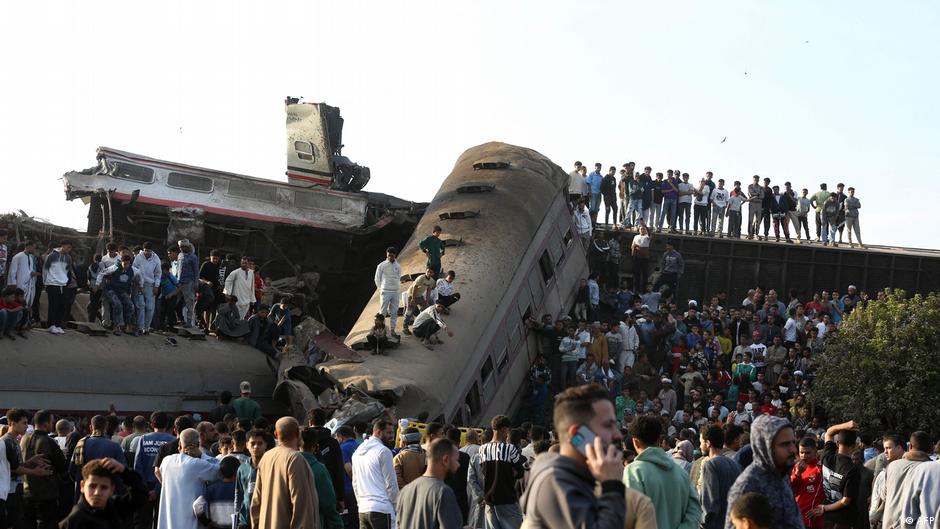
The train collision in Egypt is a devastating reminder of the importance of prioritising safety and investing in modernisation. As the country mourns the loss of life and injury, it is clear that this tragedy will have a lasting impact on the nation. The government's swift response and commitment to accountability are crucial steps in ensuring that those responsible are brought to justice and that measures are put in place to prevent such a disaster.