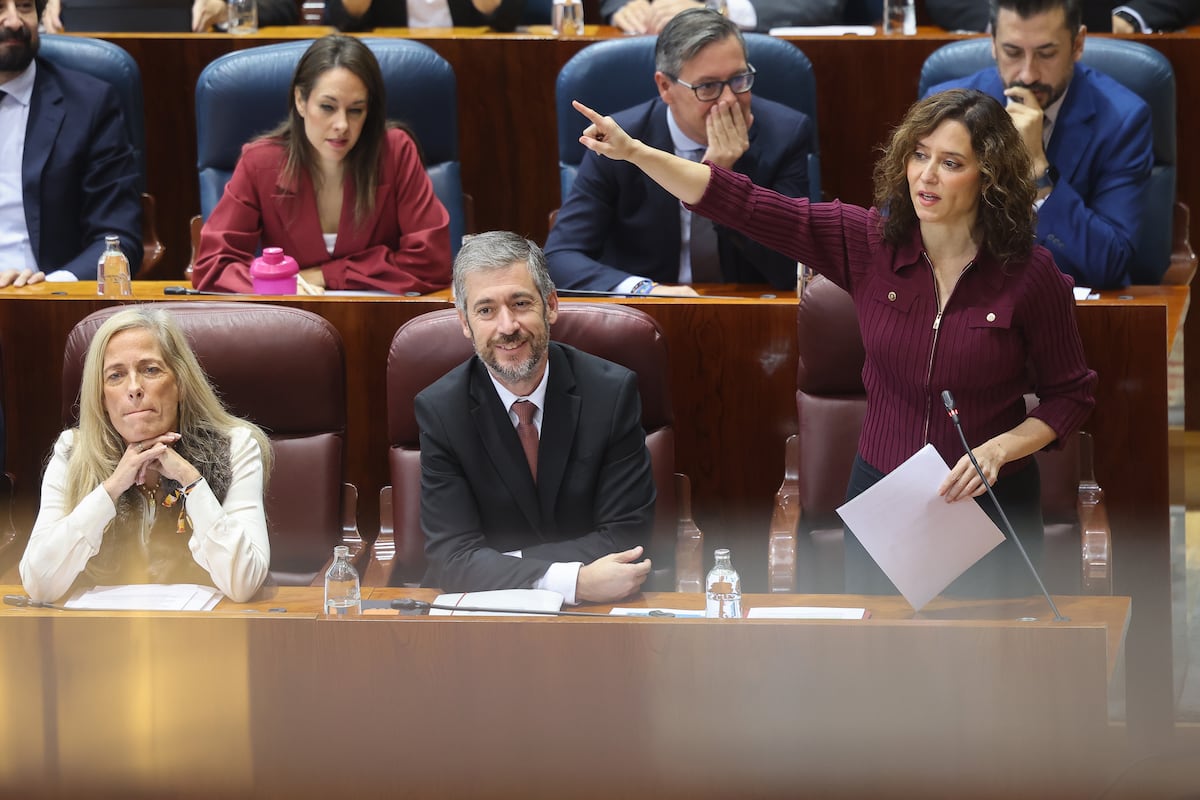
On November 11, 2026, the streets of Madrid felt the weight of a general strike, an event that momentarily froze the rhythms of daily life and dominated the national conversation. While the actual turnout for the strike varied across sectors, its impact on the political climate was immediate and profound. By the following day, November 12, the tension had migrated from the picket lines to the floor of the Madrid Assembly, where the legislative body gathered for a plenary session. The air was thick with the residue of the previous day’s disruption, setting the stage for a confrontation that would bypass policy debate in favor of intense personal and ideological warfare.
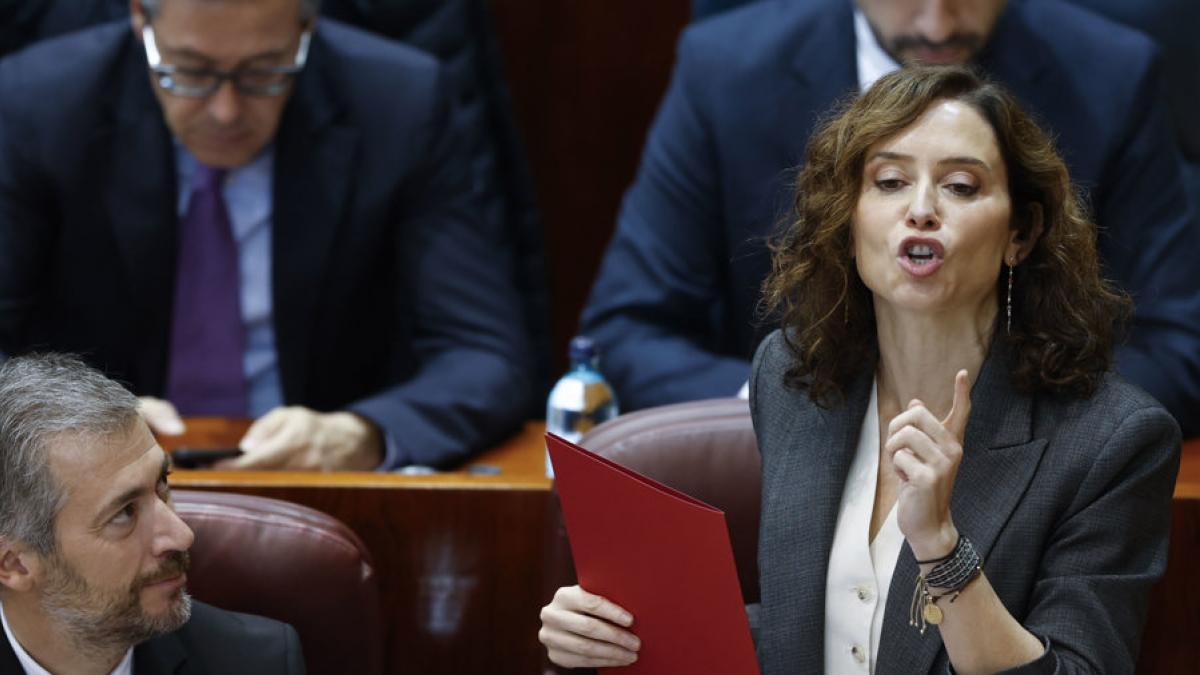
Isabel Díaz Ayuso, the President of the Madrid Community, did not mince words when addressing the assembly. Standing before her peers, she launched a blistering critique of the trade unions that had organized the strike. Ayuso characterized the labor movement’s actions not as a legitimate exercise of democratic protest, but as a campaign of intimidation. She accused the unions of spreading what she termed “union terror” among the populace, arguing that their primary goal was to force a cessation of activity through fear rather than consensus. For Ayuso, the strike was less about labor conditions and more about political maneuvering; she alleged that the unions were operating on public money to serve the interests of Prime Minister Pedro Sánchez’s government, effectively acting as a proxy for his administration.
The response from the opposition was swift and deeply personal. Manuela Bergerot, the opposition spokesperson, seized the moment to challenge Ayuso’s legitimacy and professional history. Bergerot’s critique cut to the core of the political divide, framing Ayuso as a product of the party apparatus rather than a public servant with diverse professional experience. “You have been a crony your entire life,” Bergerot declared, suggesting that the President had no understanding of what it meant to earn a living outside the structures of the People’s Party (PP). Bergerot’s rhetoric painted a picture of a leader disconnected from the realities of the working class, accusing her of never having to “bend her back” to make a living, and labeling her as someone who had been “trough-fed” by her political affiliations.
Beyond the personal barbs, the session highlighted a fundamental breakdown in communication regarding the economic anxieties facing the region.
Beyond the personal barbs, the session highlighted a fundamental breakdown in communication regarding the economic anxieties facing the region. Bergerot attempted to steer the conversation toward the material struggles of citizens, asking directly, “What measures do you have to guarantee the purchasing power of Madrid families?” It was a question aimed at the heart of the electorate’s concerns, yet it was met with a blunt, ideological dismissal. Ayuso’s response was immediate: “The first and most urgent: to throw them out of the government.” By framing the removal of the current administration as the primary economic solution, Ayuso signaled that the upcoming regional elections—now just 17 days away—would be fought on a battlefield of total political opposition rather than incremental policy adjustments.
As the debate devolved further, the exchange took a surreal turn. When confronted with the accusation that she lacked real-world experience, Ayuso dismissed the critique with a suggestion that Bergerot simply read her book. It was a moment that underscored the performative nature of modern political discourse, where personal narratives and published memoirs are deployed as shields against substantive criticism. This dismissal served to deepen the divide, reinforcing the perception that the two sides were no longer speaking the same language, but were instead performing for their respective bases in the final countdown to the polls.
With only 17 days remaining until the regional elections, the atmosphere in the Madrid Assembly serves as a stark preview of the campaign to come. The events of November 11 and 12 have crystallized the stakes: for the government, the strike is a weaponized tool of the opposition; for the opposition, the government is a closed circle of political insiders. As the city moves toward the election, the rhetoric of “union terror” and “political cronyism” suggests that the path to the ballot box will be paved with increasingly sharp divisions, leaving little room for the middle ground in a deeply polarized political landscape.