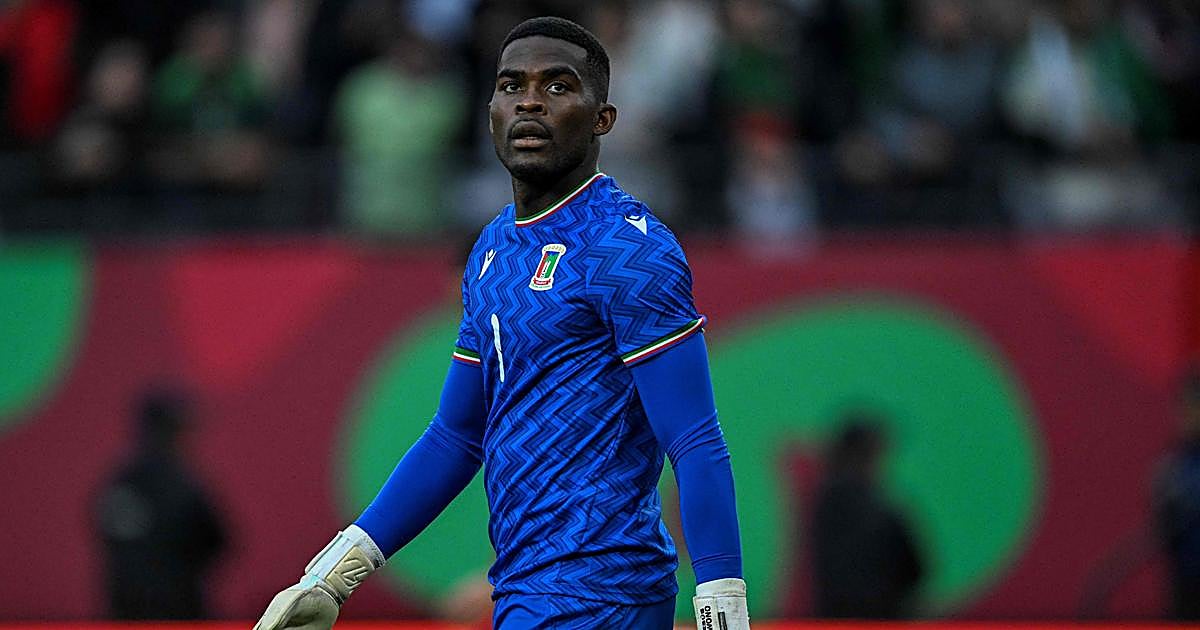
On November 2, 2026, in the 90+7th minute of a match between FC Andorra and CD Tenerife, goalkeeper Jesús Owono went up for a long ball, making contact with Tenerife forward Jesús de Miguel in a manner that would have devastating consequences.
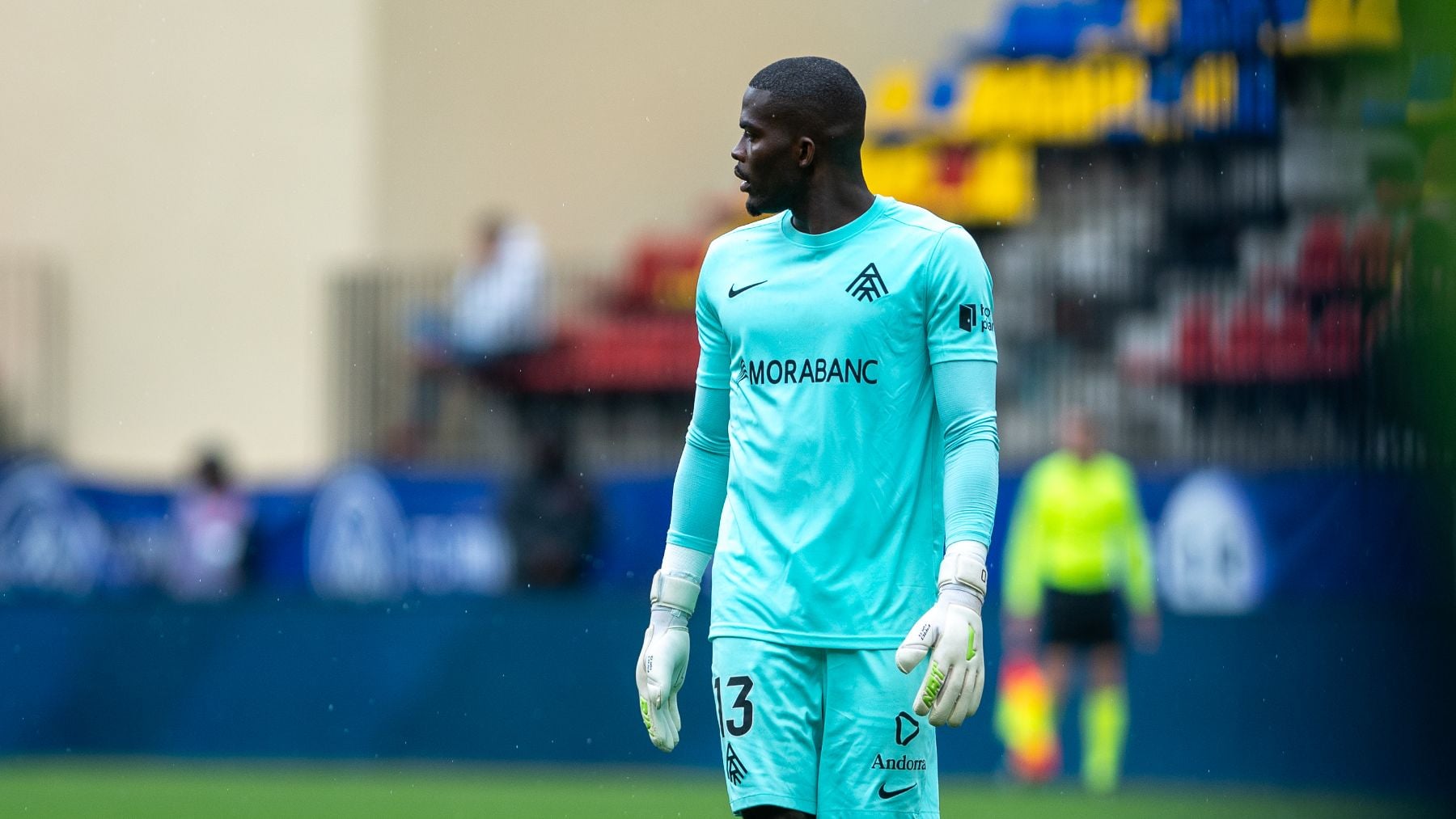
The referee's report would later describe the moment with chilling precision: Owono "abruptly impact[ed] with his high leg on an opponent with excessive force." The collision occurred as both players went for the ball, a common occurrence in football, but this time the consequences were catastrophic. De Miguel, a 30‑year‑old striker, immediately collapsed after the impact with Owono's raised leg.

Spain's football federation has suspended Andorra goalkeeper Jesus Owono for 12 games after he struck 30-year-old Tenerife striker Jesus de Miguel in the chest as he chased a high ball. De Miguel suffered cardiac arrest and died a day later. 🟢 More on https://t.co/ft7Hjuwep4 https://t.co/P4xtkK9aIF
The following day, November 3, 2026, despite the best efforts of medical professionals, Jesús de Miguel succumbed to his injuries in intensive care. The tragedy cast a long shadow over what had been just another match in the crowded football calendar, transforming it into a somber reminder of the sport's inherent dangers.
FC Andorra's coach, Carles Manso, painted a picture of a goalkeeper shattered by the events.
Eleven days after the fatal incident, on November 13, 2026, the Royal Spanish Football Federation's (RFEF) Committee of Discipline announced its decision: a 12‑match suspension for Jesús Owono, the maximum penalty available under the regulations governing acts of aggression. The RFEF justified this unprecedented sanction by citing the referee's report and the severity of the high‑leg impact, classifying Owono's actions as a "serious infraction." The suspension was applied under Article 102 of the Disciplinary Code, representing the highest penalty available for such infractions.

🚨🎙️ 𝗕𝗥𝗘𝗔𝗞𝗜𝗡𝗚: The Spanish Football Federation's Disciplinary Committee has suspended goalkeeper Jesús Owono with a 12-match ban for his tackle and red card that led to the sad demise of Jesús de Miguel. This is the maximum penalty provided for under the article governing acts of aggression.
FC Andorra's coach, Carles Manso, painted a picture of a goalkeeper shattered by the events. "He is obviously very affected by everything that happened," Manso stated. "It's a tragedy, and he would never have imagined that it would end this way, he regretted. It's a very delicate situation, which we wish on no one. Being the person most concerned, he is going through a very difficult period, perhaps even the worst moments of his life."
"We are giving him the space needed for him to feel fully free to decide if he wants to return, and when, or if he does not want to return," the coach explained. "He will decide when he deems it appropriate and when he feels really ready to make such a decision."

Heartbreaking news. Jesús de Miguel (30) has passed away after failing to recover from serious injuries sustained in a collision with Andorra goalkeeper Jesús Owono during stoppage time of Tenerife’s match against FC Andorra. The game was abandoned after he suffered cardiac arrest on the pitch. A devastating loss for football. Our thoughts and prayers are with his family, friends, teammates and everyone at CD Tenerife. May he rest in peace. 💔
The incident has forced football authorities and players alike to confront the fine line between aggressive play and dangerous conduct. While physicality remains an integral part of the game, the tragic outcome of this particular collision has sparked renewed discussions about player safety and the responsibilities of those in positions like goalkeeper, who often engage in high‑risk aerial challenges.

The RFEF's decision to impose the maximum sanction—"la sanción en su grado máximo" as the committee described it—reflects the gravity with which football authorities view such incidents. The 12‑match suspension sends a clear message about the boundaries acceptable in the sport, even as it acknowledges the complexity of split‑second decisions that players must make during the fast‑paced flow of a match.
As the football world continues to process the tragedy, the focus remains on honoring Jesús de Miguel's memory while ensuring that lessons can be learned from this devastating incident. For Jesús Owono, the path forward remains uncertain, as he grapples with the consequences of a moment that changed lives forever. In the competitive world of professional football, where split‑second decisions can define careers, this tragedy serves as a stark reminder of the human element that persists beneath the surface of the beautiful game.