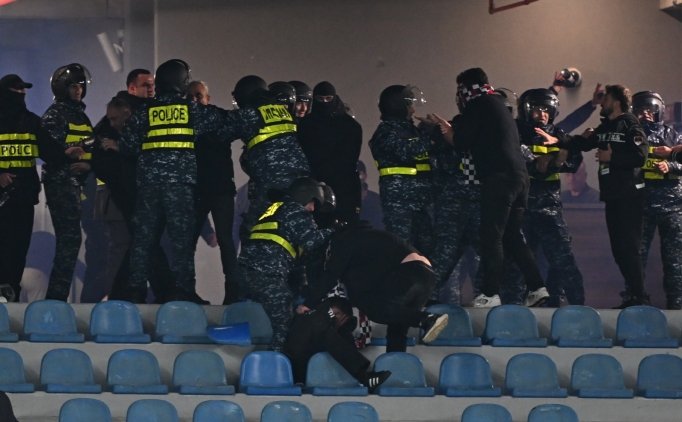
For a group of sixteen fans from Beşiktaş, a trip to the Black Sea port city of Batumi, Georgia, for a UEFA Europa League match had promised the usual thrill of European football. The opponent was Hapoel Beer-Sheva, and the atmosphere in the stadium was thick with tension that rarely dissipates in these continental fixtures. But the night did not end with a final whistle. Instead, it devolved into chaos. Incidents flared within the stadium complex, escalating to the point where physical clashes resulted in the injury of three security personnel. In the confusion that followed, the Georgian authorities moved in. Sixteen Beşiktaş supporters were detained, their identities recorded, and their freedom suspended by the laws of a foreign state. For these men, the European match had become an unexpected legal crisis, leaving them stranded in custody far from home.
In the world of international sport, when foreign nationals are detained after violent disturbances, the process is often slow, bureaucratic, and frustratingly opaque. Consular staff may visit, lawyers may be hired, and time may stall. However, this case operated under a different gravity. The incident in Batumi triggered an immediate and high-level response from the leadership of Turkey. President Recep Tayyip Erdoğan, whose name carries significant weight in domestic and international political spheres, did not leave the matter to chance or standard diplomatic channels alone. He issued specific directives that set the machinery of the state into motion. The release of the fans was not merely a procedural outcome; it was the result of targeted diplomatic and legal interventions initiated under the President's instructions. This distinction matters. It signals that the state viewed these sixteen individuals not just as troublemakers in a foreign stadium, but as citizens whose protection required active executive engagement.
The intervention was multifaceted. It involved diplomatic channels and legal efforts to negotiate with the Georgian authorities. Yet, despite these complications, the Turkish government's push proved decisive. The release was secured, and the sixteen fans were freed from detention in Batumi on the same day. The speed of this resolution is notable. In many international incidents involving detainees, days or weeks can pass. Here, the alignment of presidential will with diplomatic and legal strategy compressed the timeline significantly, turning a potential prolonged standoff into a swift resolution.
It shifts the focus from the football played on the pitch to the conduct of its supporters off it.
While the immediate outcome was positive for the sixteen supporters, the incident sends broader signals about the fragility of fan culture in European competitions. The fact that security personnel were injured suggests a level of violence that goes beyond standard crowd trouble. It raises questions about crowd management, the intensity of rivalry, and the specific dynamics that led to the confrontation in Batumi. For Beşiktaş, a major club in Istanbul, the incident is a blot on the European campaign. It shifts the focus from the football played on the pitch to the conduct of its supporters off it. The Georgian authorities will likely be watching closely, and UEFA, the governing body, may impose further sanctions or investigations into the crowd behavior. The release of the fans removes the human cost of the incident, but the institutional repercussions remain a matter for future days.
The fact that the release is explicitly attributed to Erdoğan's instructions places a unique spin on the event. It illustrates the increasing interweaving of political power and sporting outcomes. In the past, such matters might have been handled quietly by diplomatic envoys without headline-making presidential involvement. The public acknowledgment that the President directed the efforts serves a dual purpose: it demonstrates to the domestic audience that the state protects its citizens abroad, regardless of their actions, and it signals to international partners that Turkish diplomacy is proactive and aggressive when it comes to national interests. For the sixteen fans, the outcome was undoubtedly positive. They were not left to languish in a foreign jail; they were pulled out through the direct application of political capital. This specific instance of executive intervention creates a precedent where sporting incidents can rapidly become political events, resolved not just by lawyers, but by the highest levels of state authority.
As of now, the sixteen Beşiktaş supporters have been released from detention in Batumi. The immediate crisis has been resolved, and the men are free. However, the shadow of the incident lingers. The three injured security personnel represent a real physical harm that was inflicted during the match. The diplomatic channels that facilitated the release remain open, but the trust between the local authorities and the visiting supporters has been tested. President Erdoğan's intervention, while successful in securing the fans' release, does not erase the underlying issues of fan behavior and stadium security that will need to be addressed in future international matches.