
In a dramatic development that has sent ripples across the Mediterranean, Ukraine has claimed responsibility for strikes against two Russian naval vessels near the Libyan city of Benghazi. The incident, which occurred on November 12, 2026, represents a significant expansion of the conflict between Kyiv and Moscow beyond Ukraine's borders, raising questions about the potential internationalization of the war. The targeted vessels were reportedly supporting Russian military operations, though the precise nature of their involvement in the Libyan theater remains unclear. This bold move comes as the conflict enters its fourth year, with both sides increasingly seeking to project power beyond their immediate borders.
The strikes have landed in one of the world's most politically complex arenas. Libya remains a country divided between two competing administrations: the UN-recognized government based in Tripoli and a parallel administration in Benghazi supported by Marshal Khalifa Haftar. This fragmentation has made Libya a fertile ground for foreign interference and proxy conflicts for over a decade. The Ukrainian strikes, while directed at Russian assets, have inevitably complicated an already delicate security situation in a nation still struggling to reunify after years of civil war. The incident underscores how the Ukraine conflict is creating unintended consequences in other fragile states.
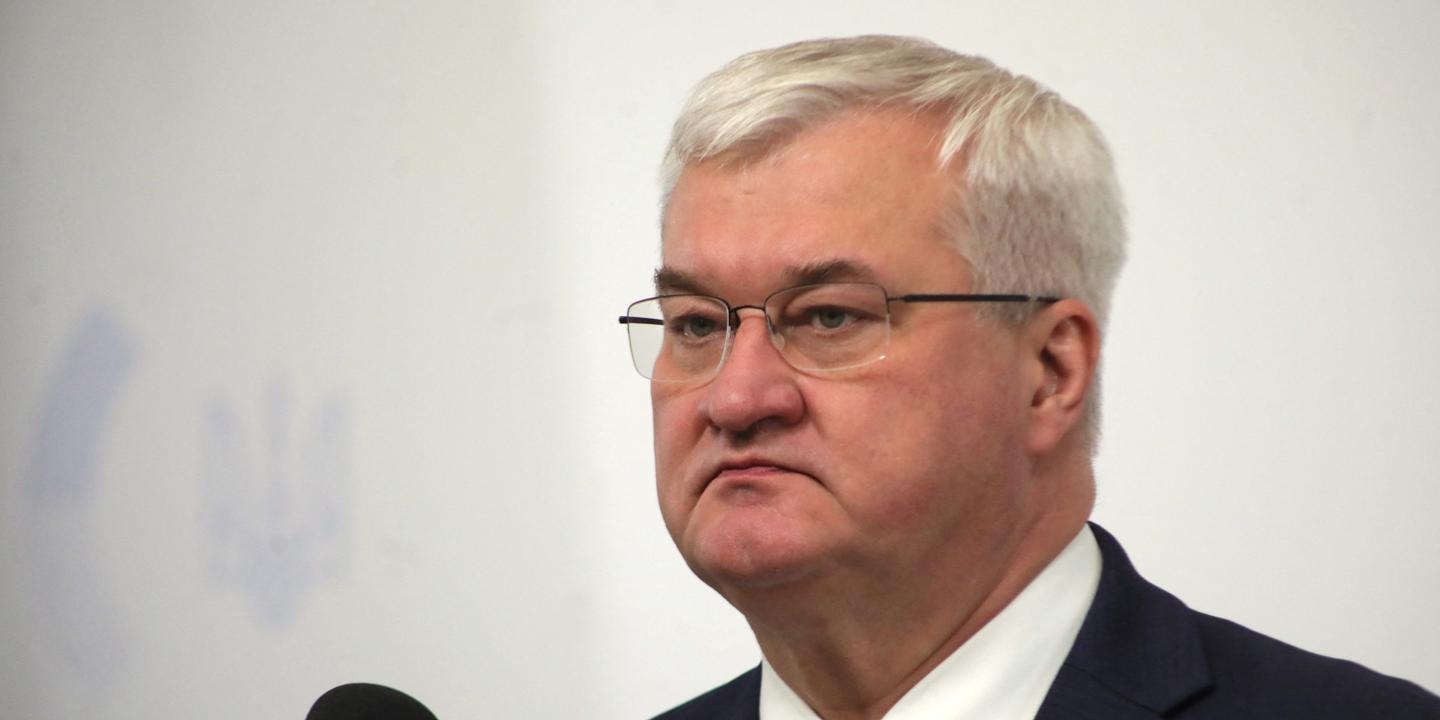
In an effort to contain the diplomatic fallout, Ukrainian Foreign Minister Andrii Sybiha moved quickly to reassure Libyan officials. During a telephone conversation with his Libyan counterpart, Foreign Minister Taher Al-Baour, on November 14, Sybiha issued a clear statement: "Ukraine has no intention of extending the war against Russia to Libya or any other country." The Ukrainian minister emphasized that all military actions have been directed exclusively at Russian military objects supporting the war in Ukraine, never against Libya or the Libyan people. This clarification represents a crucial attempt by Kyiv to prevent the conflict from spiraling into a wider regional confrontation.
However, it also represents a dangerous escalation that could draw more countries into the conflict, either directly or indirectly.
The decision to strike Russian vessels near Benghazi appears to be part of Ukraine's broader strategy to disrupt Russian military logistics and supply chains beyond Ukrainian territory. By targeting assets that may have been supporting Russian operations in Africa or the Middle East, Ukraine is attempting to limit Moscow's ability to wage war on multiple fronts simultaneously. The move demonstrates Kyiv's growing confidence in its military capabilities and its willingness to take risks to weaken Russian power globally. However, it also represents a dangerous escalation that could draw more countries into the conflict, either directly or indirectly.
As part of his reassurance to Libyan officials, Sybiha took the opportunity to reaffirm Ukraine's support for Libya's sovereignty, territorial integrity, and reunification efforts. This diplomatic maneuver serves multiple purposes: it attempts to distance Ukraine from the internal divisions within Libya, positions Ukraine as a supporter of national self-determination (a principle it has consistently invoked in its own conflict with Russia), and prevents Libya from becoming a rallying point for anti-Ukrainian sentiment. The statement reflects Ukraine's awareness that its actions in the Mediterranean could have significant diplomatic consequences.
While Ukraine focused on clarifying its position in Libya, international attention was also turning to the upcoming G20 summit scheduled for December in Miami. US President Donald Trump, speaking at Mar-a-Lago in Florida on Thursday, addressed the possibility of Russian President Vladimir Putin's attendance. "I don't know, but if he wants to come, he is certainly welcome," Trump stated, using the French phrase "Je ne sais pas, mais s'il veut venir, il le peut certainement." The comment leaves open the question of whether Putin, who has become increasingly isolated internationally, might attend the summit, potentially creating an awkward diplomatic encounter given the ongoing war in Ukraine.
The incidents in Benghazi and the surrounding diplomatic maneuvers highlight a critical moment in the Ukraine conflict: the gradual but steady internationalization of what began as a regional war. As Ukraine expands its military operations beyond its borders and other nations become increasingly involved, the risk of a wider conflagration grows. Yet Ukraine's swift clarification to Libya also demonstrates an awareness of these dangers, suggesting that while Kyiv may be willing to project power globally, it is careful not to be seen as an aggressor seeking to export its conflict. The coming months will test whether this delicate balance can be maintained as the war continues to evolve beyond Ukraine's immediate neighborhood.
