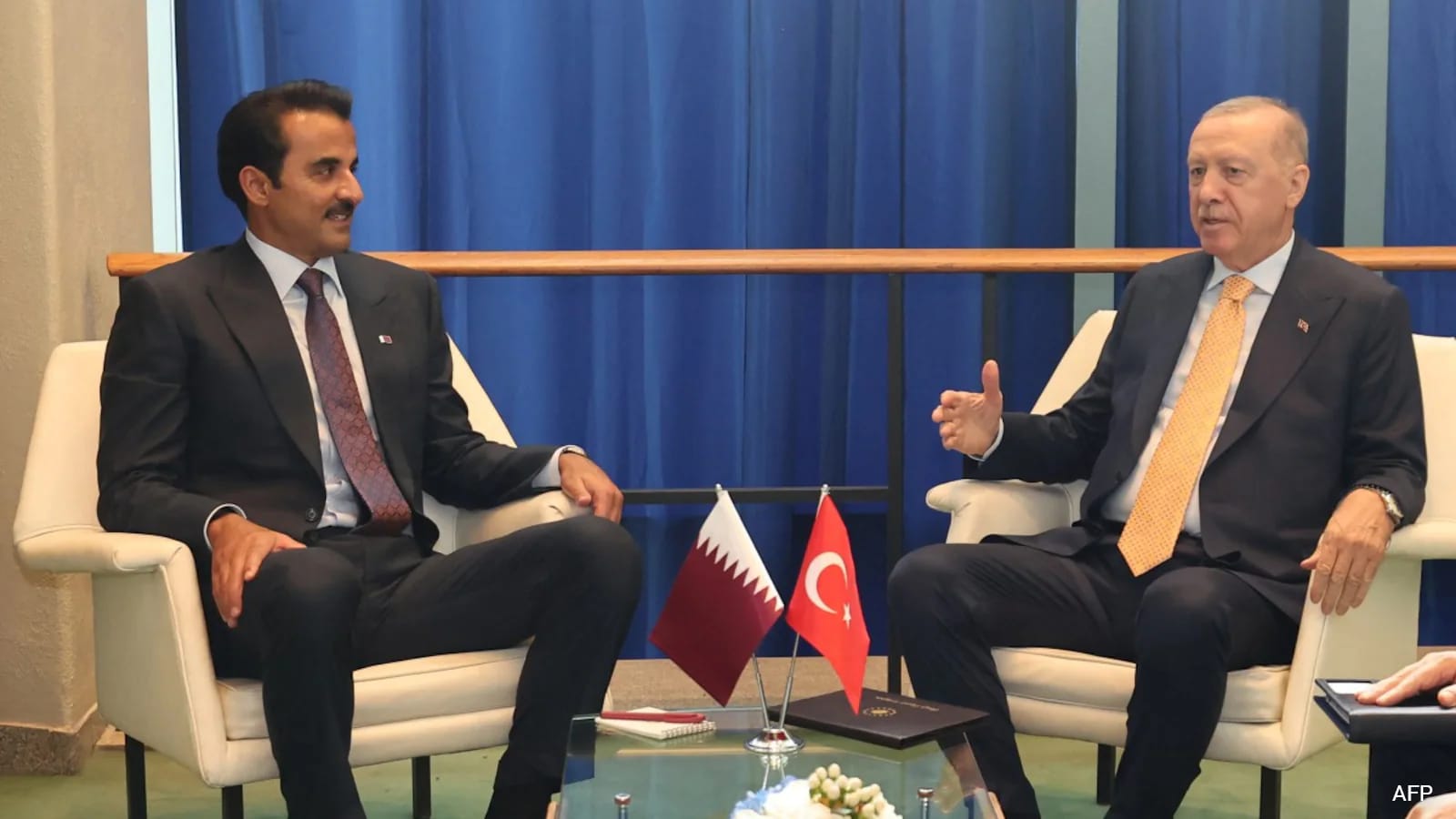
For decades, the relationship between Turkey and Qatar has been described with the warmth of family. But on Friday, in the bustling city of Istanbul, President Recep Tayyip Erdoğan and Qatari Emir Sheikh Tamim bin Hamad Al Thani moved that relationship from emotional comfort to structural security. According to a statement from Erdoğan’s office, the two leaders signed a mutual defense agreement, a document intended to add a new dimension to the 'brotherly ties' that have long connected the two regional allies. This was not a quiet handshake; it was a formalization of intent. The leaders agreed that their partnership needed to expand beyond political goodwill and enter the tangible world of the defense industry. By planning to deepen cooperation in this sector, the two nations are signaling that they intend to build, share, and rely upon each other’s technological and industrial capabilities, creating a bond that is as practical as it is political.
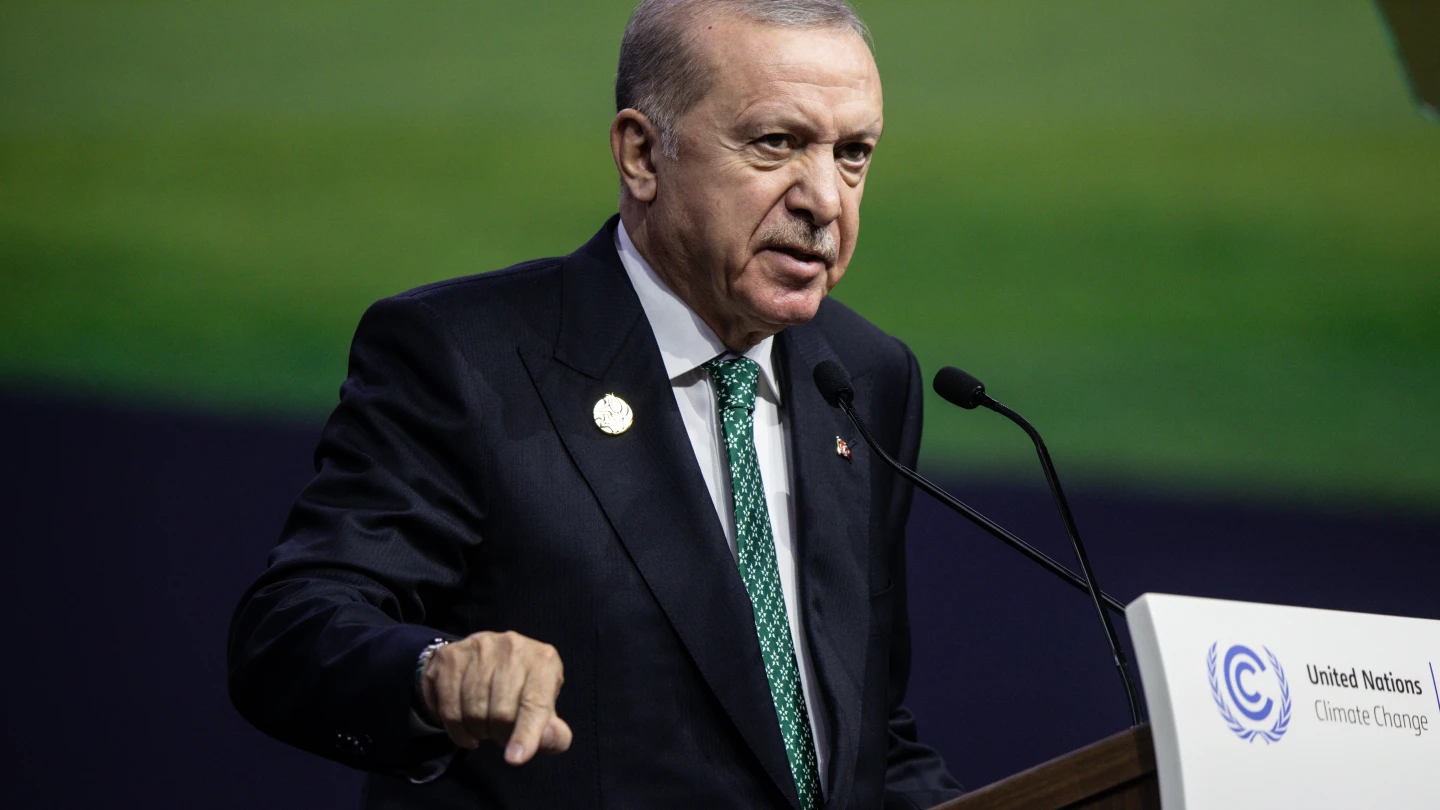
The timing of this summit was itself a statement of priority. The Qatari ruler had traveled to southern Turkey just days prior to attend the United Nations COP31 climate summit. In a world where leaders often prioritize security over sustainability, or vice versa, the Emir’s journey from a global forum focused on the environment to the heart of Turkish power in Istanbul suggests a dual track approach to diplomacy. It implies that the security architecture being built in the region is being considered alongside the broader challenges facing the planet. The meeting in Istanbul, which took place immediately after this climate-focused engagement, allowed the two heads of state to pivot from global environmental concerns to regional stability. It was a transition from the broad canvas of international cooperation to the specific, intricate work of neighborhood defense.

Turkey, Qatar sign mutual defence agreement, Turkish presidency says https://t.co/gg2oIDtABr
The heart of the new agreement lies in its preventive ambition. Erdoğan was explicit about the goals of this renewed partnership, stating that the two nations would work together to 'prevent a renewed outbreak of war in the Gulf region and to promote dialogue and peace.' This language is significant. The Gulf is a region where tensions often simmer just below the surface, involving complex webs of maritime interests, energy flows, and geopolitical rivalries. By framing their defense pact not as a tool for aggression, but as a mechanism to prevent conflict, Turkey and Qatar are positioning themselves as stabilizers. They are arguing that their cooperation should serve as a brake on escalation. The phrase 'renewed outbreak of war' carries a weight of historical memory, acknowledging that peace in the region has often been fragile. By committing to work together to prevent its return, the two nations are proposing a shared security umbrella that prioritizes de-escalation and dialogue over the rapid deployment of force.
They are arguing that their cooperation should serve as a brake on escalation.
While the defense pact was the headline, the conversations between Erdoğan and the Emir were far from narrow. The two leaders also discussed the attacks on Gaza by Israel and the humanitarian conditions in the Palestinian territory, topics that remain at the forefront of global public consciousness and regional diplomacy. Their dialogue extended to Syrian normalization efforts, a complex process that involves managing relations with a neighbor that has long been a source of tension for Ankara. Furthermore, they exchanged views on developments in Libya, a country often caught in the crossfire of regional rivalries. This breadth of agenda items reveals that the new defense agreement is not an isolated military document, but the cornerstone of a comprehensive strategic partnership. It suggests that Turkey and Qatar intend to coordinate not just on how to defend their borders, but on how to influence the peace processes and humanitarian responses that shape the lives of millions across the wider region.

Turkey And Qatar Sign Defence Agreement To Strengthen Ties https://t.co/LLpV7WGPtG https://t.co/4owBHEFZDr
What remains to be seen is the specific content of the pact. The official statement from Erdoğan’s office provided no further details on the exact clauses of the defense agreement. This lack of transparency is common in high-level statecraft, where the public is offered the broad principles—brotherly ties, industrial cooperation, peace promotion—while the operational details remain in the domain of security services. Yet the silence itself is informative. It underscores that the relationship has entered a new phase where the specifics of the partnership are sensitive enough to be held back from immediate public scrutiny. As both nations look forward, the agreement stands as a testament to their desire to reshape the security landscape of the Middle East, moving from a era of reactive alliances to one of proactive, industrialized, and peace-oriented cooperation.