
In the high-stakes corridors of international diplomacy, time is often a luxury. But for the administration of U.S. President Donald Trump, time has become a weapon. A frantic diplomatic push is currently underway, driven by a specific, looming target: a peace agreement between Ukraine and Russia signed by the beginning of January 2027.
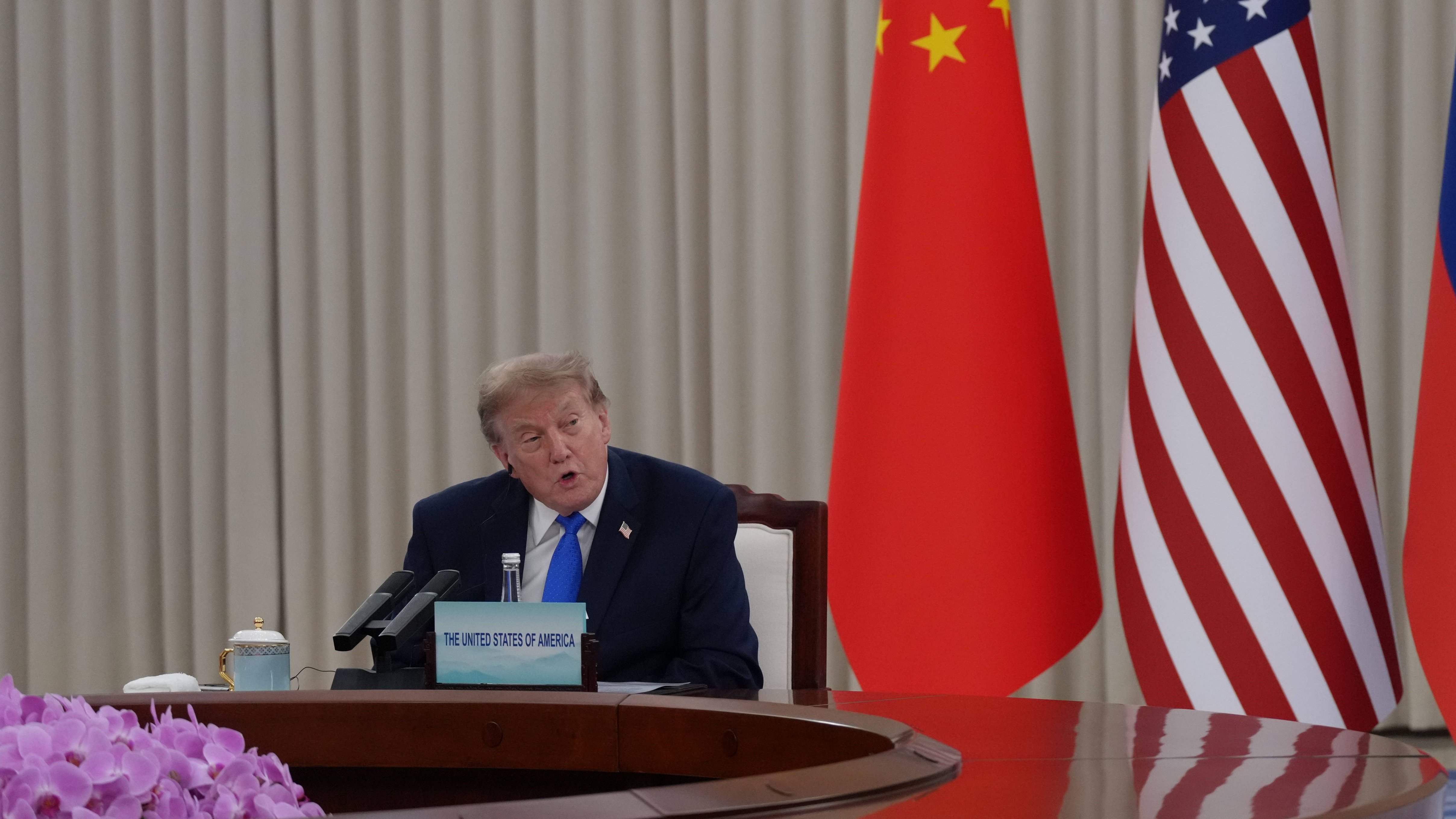
This is not merely a suggestion or a hopeful aspiration. It is a deadline being actively communicated to European and Ukrainian officials, a timeline that has sent ripples of anxiety through the capitals of the West. The urgency is not accidental; it is a calculated attempt to settle the conflict before the political landscape in Washington shifts again when Democrats gain control of Congress.
To bridge the gap between the warring parties, the administration has deployed its most trusted intermediaries. Special envoys Jared Kushner and Steve Witkoff have been operating on a whirlwind circuit, holding a series of high-level meetings in Moscow, Dublin, and Berlin. These discussions, occurring in the late months of 2026, represent a renewed effort to jumpstart negotiations after a period of relative pause.
Rather than seeking a quick exit, Russia intends to utilize a planned campaign of airstrikes to enhance its leverage.
The movement of these envoys suggests a desire to bypass traditional, slower diplomatic channels in favor of a more direct, rapid-fire approach. However, the geography of these meetings—spanning from the heart of Russia to the diplomatic hubs of Europe—highlights the immense complexity of the task. While the American administration seeks a swift resolution, the reality on the ground remains stubbornly resistant to such a compressed schedule.
For the officials in Kyiv and Brussels, the American rush is not viewed with relief, but with profound apprehension. There is a growing fear that the drive to meet a January deadline will come at a devastating cost to Ukrainian sovereignty. The concern is that in the haste to secure a signature, the United States may exert pressure on President Volodymyr Zelensky to accept terms that are fundamentally unfavorable.
One Ukrainian official captured the sentiment of a nation watching its future being bartered in distant cities, noting that "Trump sympathizes with Putin and wants to finish this all by January." This perception of bias creates a precarious environment for negotiations, where the goal of peace might inadvertently become a mechanism for forced concession. The fear is palpable: if an agreement is rushed, Russia could secure the best possible terms simply by outlasting the American patience.
While Washington is sprinting toward 2027, Moscow appears to be moving at a different tempo entirely. Sources familiar with the Kremlin's position suggest that Russia has no intention of being hurried into a deal that does not serve its strategic interests. Instead, the Russian leadership is looking to use its military capabilities to dictate the terms of the peace.

Rather than seeking a quick exit, Russia intends to utilize a planned campaign of airstrikes to enhance its leverage. By intensifying the pressure on the ground and in the skies, the Kremlin aims to strengthen its hand before the negotiators sit down. As one European official observed, "Americans are in a hurry, but Putin is not." This mismatch in tempo creates a dangerous dynamic: a superpower pushing for a quick resolution against a combatant willing to use violence to ensure that resolution favors them.
This tension between speed and leverage is the central conflict of the current diplomatic push. European officials have expressed deep concern that reaching even a 'near-agreement' would require significant concessions from Ukraine. The risk is that the peace achieved in January 2027 might not be a stable peace, but a temporary pause dictated by exhaustion and external pressure.
Ukrainian representatives have voiced the worry that the current trajectory represents a "clear choice" in favor of helping Russia secure more advantageous negotiating positions. If the agreement is struck under the shadow of American pressure, the resulting settlement may leave Ukraine in a position of permanent vulnerability. The stakes are not merely about ending the fighting; they are about the terms upon which the fighting ends.
There were even considerations of using larger international stages to force a breakthrough. The administration explored the possibility of hosting peace talks during a G20 summit in Miami, scheduled for March 2026. However, such a grand gesture remains out of reach; a French official noted that because Ukraine is not invited to the G20, no such talks will occur there.
This leaves the diplomacy in the hands of a few key players and a very tight window. The administration’s strategy appears to be a race against the clock of American domestic politics. By pushing for a deal before the Democratic Party regains control of Congress in January, the Trump administration is attempting to cement a legacy of peace before the political winds in Washington shift once more. As the envoys continue their travels, the world watches to see if this deadline will bring a lasting peace or merely a coerced settlement.