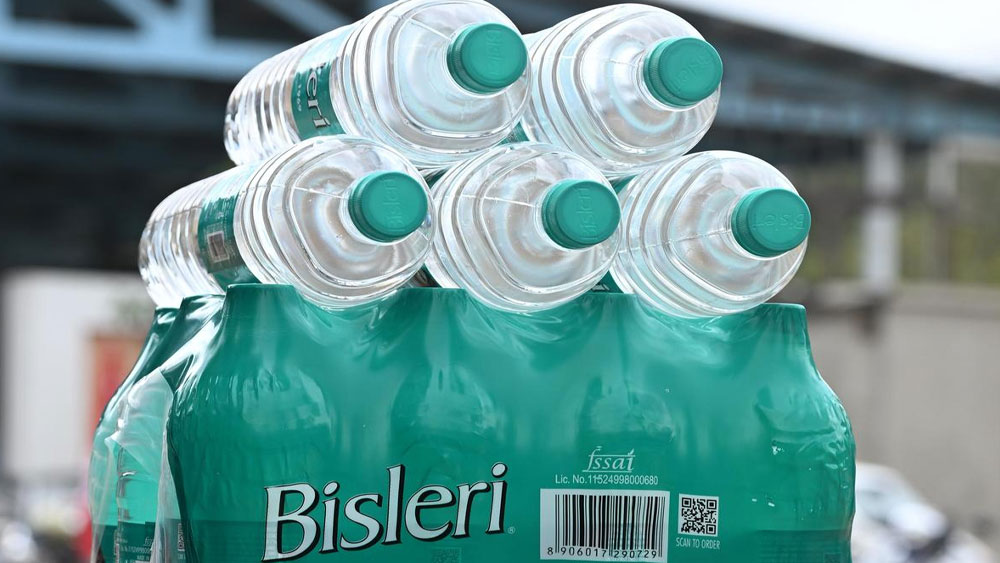
For many, the blue label of a Bisleri bottle represents a standard of reliability in a massive, $3.5 billion packaged drinking-water market. But that standard is currently being tested by a biological contaminant that should never be present in a sealed bottle: coliform bacteria. This type of bacteria is a critical red flag for health officials, as its presence often indicates contamination from sewage leaks or damaged pipes, signaling that the barrier between the environment and the consumer has been breached.
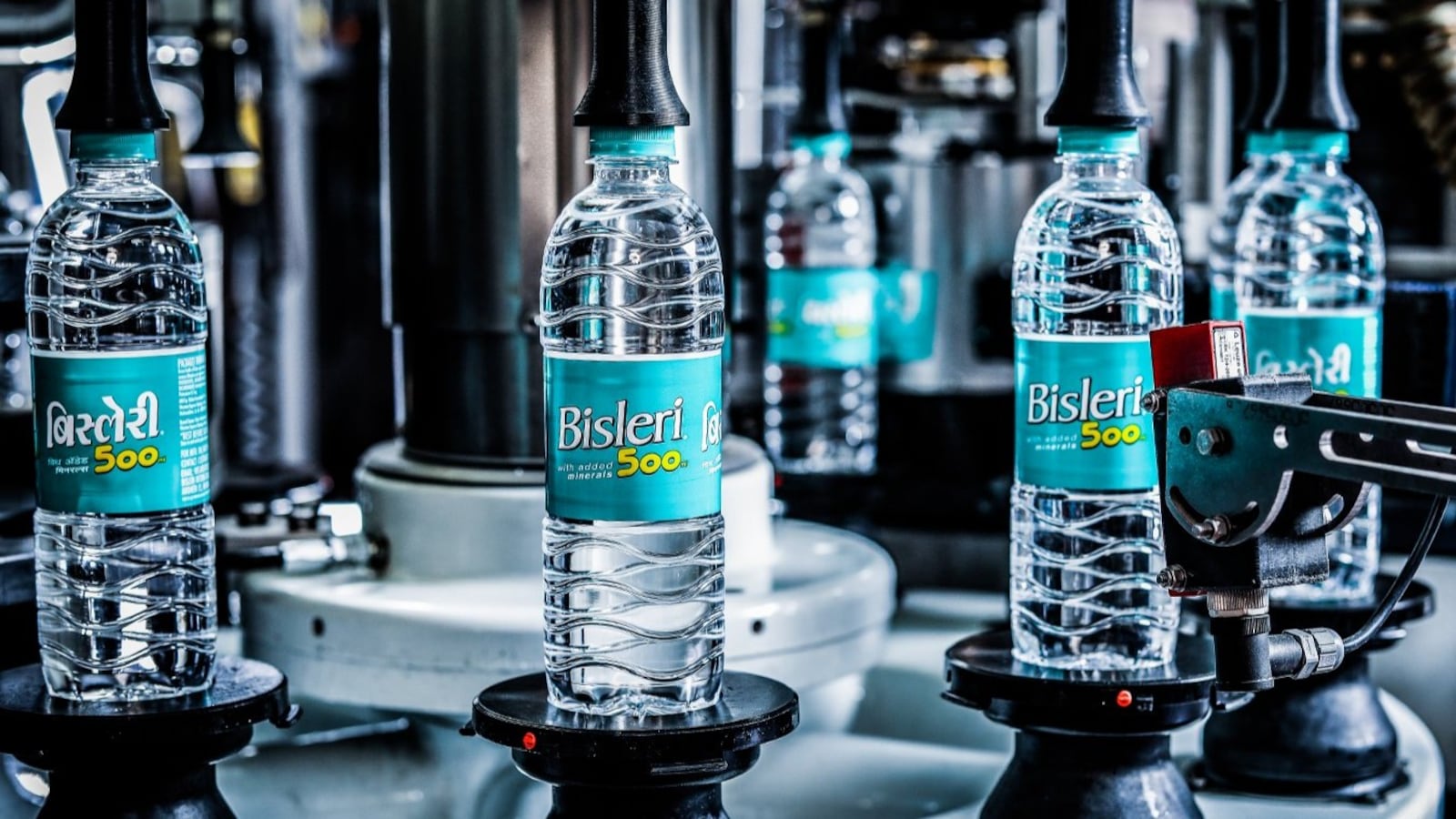
The crisis centers on a specific batch of water, identified as PB201, which was produced on July 20, 2026. Following testing that revealed the presence of these bacteria, the Food Safety and Standards Authority of India (FSSAI) stepped in with a directive on August 12, 2026, to restrict the sale of the batch and initiate a recall. The sample in question originated from the Telipara unit located in the Jalpaiguri district of West Bengal.
What follows is not a simple case of a company caught in a violation, but a complex dispute over the science of safety. While the FSSAI’s primary and referral laboratories both confirmed the presence of coliform bacteria, Bisleri International has presented a different narrative. The company claims that it commissioned its own testing through two independent, FSSAI-accredited laboratories, and those results suggested the water met all applicable quality standards.
On November 28, 2026, the FSSAI sanctioned prosecution against Bisleri International regarding the unsafe water samples found in West Bengal.
This discrepancy has led Bisleri to request a comprehensive review of the entire process. The company has called upon the regulator to examine the sampling methods, the specific testing methodologies used, and the laboratory findings themselves. "The difference between the regulatory and independent findings warrants a thorough review," the company stated, suggesting that the variation in results deserves a deep dive into how the samples were handled and analyzed.
Despite the company's calls for re-examination, the regulatory momentum has shifted toward legal consequences. On November 28, 2026, the FSSAI sanctioned prosecution against Bisleri International regarding the unsafe water samples found in West Bengal. This move marks a significant escalation from the initial August directive to recall the disputed batch.
This is not an isolated incident for the beverage giant. The legal pressure is compounding as the FSSAI has also initiated prosecution proceedings in Goa. In that instance, the issue was not bacteria, but chemical non-compliance; water from a Goa plant was found to be non-compliant with the limits for bromate and polycyclic aromatic hydrocarbons specified under the Food Safety and Standards Act, 2006. The convergence of these two separate issues—biological contamination in West Bengal and chemical limits in Goa—has placed the company under intense scrutiny.
Bisleri has maintained a stance of cooperation throughout the unfolding investigation. The company confirmed that it had already moved to recall batch PB201 from the market in compliance with the August 12 directive. In its communications, the company has consistently asserted that its products are safe for consumption and that it is working to resolve the discrepancies in testing.

"Bisleri will continue to cooperate fully with FSSAI to establish the facts," the company noted, emphasizing its commitment to the investigation even as it disputes the initial findings. For a company that operates 130 plants and relies on a network of 5,980 distributors, the implications of such regulatory findings are vast, touching every corner of its massive distribution infrastructure.
As of late November 2026, the situation remains a high-stakes standoff between a major industry player and the national regulator. The FSSAI has moved forward with prosecution, while Bisleri continues to push for a re-examination of the results that triggered the crisis. The outcome of these legal proceedings will likely hinge on which laboratory results hold up under the scrutiny of the law and whether the sampling processes used in West Bengal can be definitively validated or debunked.