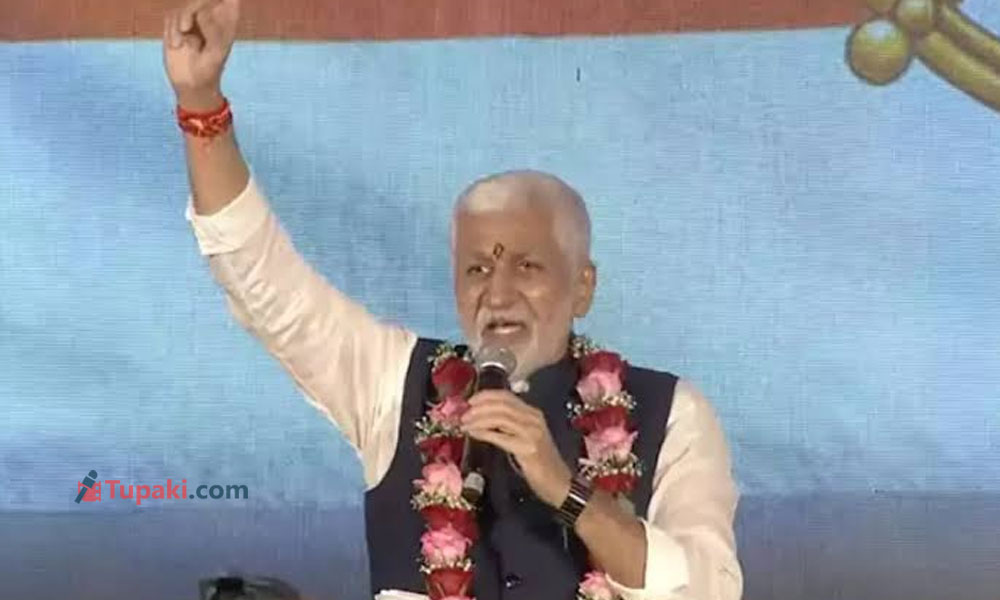
On November 11, at precisely 11:11 AM, a new political force entered the crowded arena of Andhra Pradesh politics. Standing before an audience in the commercial city of Vijayawada, V. Vijayasai Reddy—a former Rajya Sabha member and key former leader of the YSR Congress Party (YSRCP)—officially announced the launch of the Parivarthana Rajneethi Party, or PRP.
The timing and setting of the announcement were tailored for maximum impact across a state where ruling and opposition factions were already locked in a bitter struggle. Vijayasai Reddy framed his new movement as a direct response to public frustration. He stated that the party was founded with the explicit goal of working for the country and Dharma, anchored by a central slogan of serving the welfare of the state's residents.
During the unveiling in Vijayawada, Vijayasai Reddy showcased the party's official symbol and foundational agenda. The party flag is defined by a two-color design, featuring saffron on top and another color at the bottom. At its center sits a Dharma Chakra resembling Lord Krishna's Sudarshana Chakra.
Vijayasai Reddy placed this concentration of power directly in his crosshairs.
Addressing the crowd, Vijayasai Reddy formally confirmed that the political organization was named the "'Parivarthana Rajneethi Party' (PRP)." He emphasized that the platform was designed to usher in a new era of governance, stating that the movement would "mark the beginning of brand new political changes and transparent governance in the state."
The central pillar of the PRP's rhetoric is an attack on dynastic governance. The political environment in Andhra Pradesh has long been dominated by two major family networks. Vijayasai Reddy placed this concentration of power directly in his crosshairs.
"Dynastic politics in Andhra Pradesh must come to an end," Vijayasai Reddy declared, challenging the traditional hegemony exercised by the state's leading political families. By positioning the PRP as a dedicated alternative to family-centered politics, he sought to build a coalition dissatisfied with traditional succession models and the longstanding rivalry between two dominant political houses.
To counter the entrenched influence of political families, the PRP has outlined an aggressive policy targeting younger voters and leaders. The party's constitution commits to reserving 66 percent of its organizational roles and electoral opportunities specifically for youth.
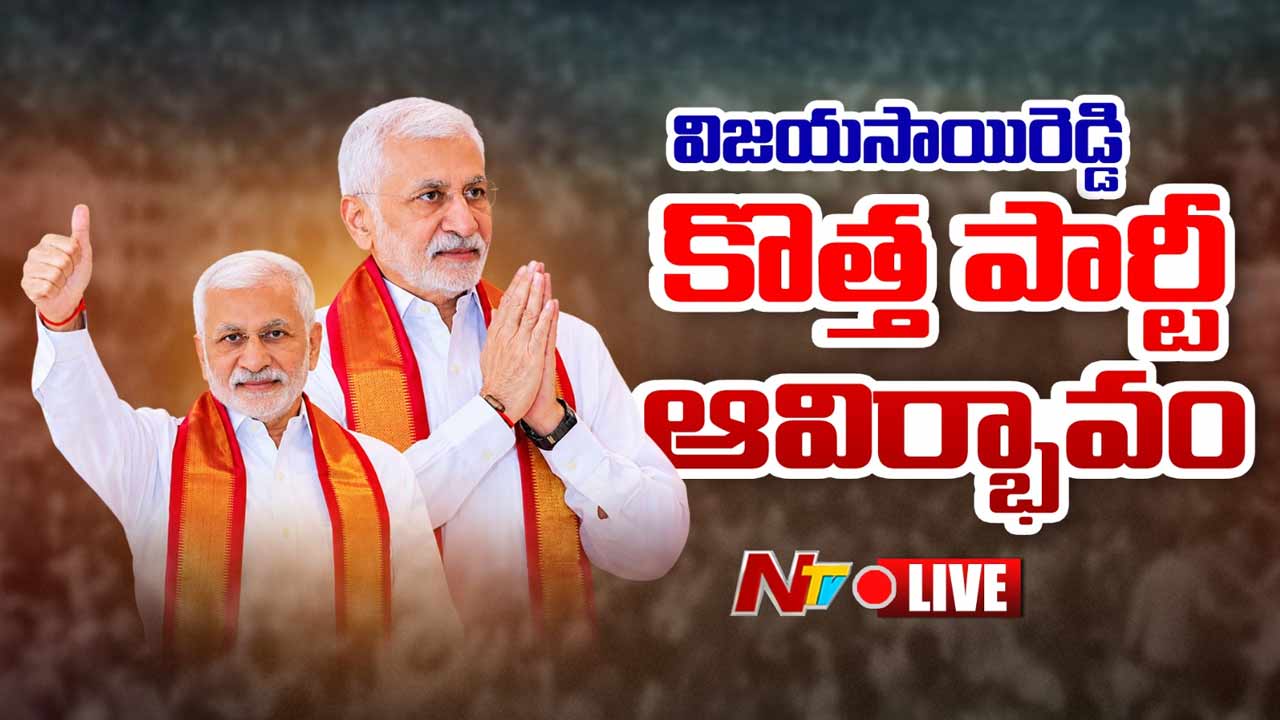
Beyond internal representation, the PRP's core agenda focuses on fundamental public issues: job creation, education, agriculture, and comprehensive development across Andhra Pradesh. By guaranteeing that two-thirds of leadership roles will go to younger figures, the party claims it will dismantle standard political patronage networks and bring new perspectives to key state challenges.
In a notable departure from traditional party launches, Vijayasai Reddy explicitly disavowed personal executive ambitions. While political founders typically launch new parties to propel themselves into power, he clarified that he is not seeking the state's top office.
Vijayasai Reddy stated that he does not aspire to become Chief Minister. Instead, he defined his role as identifying, mentoring, and elevating capable young leaders from across Andhra Pradesh to fill the role. As the state's existing parties prepare for upcoming political battles, the launch of the PRP creates a novel dynamic: a party spearheaded by a veteran insider who claims his main purpose is to transfer power to a new generation.