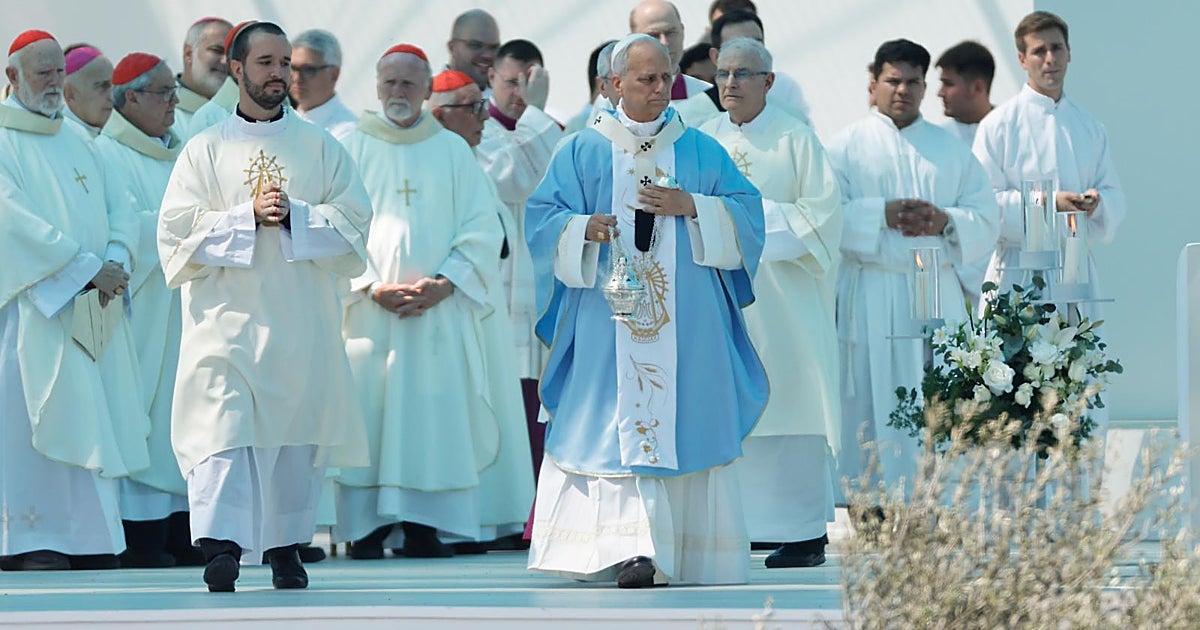
In a moment that resonated across Argentina, Pope Leo XIV concluded his three-day visit by presiding over a mass at the Luján Basilica in Buenos Aires Province, addressing an estimated two million pilgrims. The scene was extraordinary—the first pope to set foot in Argentina in 39 years, his presence alone a testament to the enduring significance of the Catholic Church in this South American nation. As the sun rose over the sanctuary, the faithful gathered, many having traveled great distances to witness this historic occasion.

"Argentina, levántate y camina," Pope Leo XIV declared, urging the nation to rise and walk forward. His message centered on national reconciliation, a call to heal the deep political and social divisions that have characterized Argentine public discourse in recent years. "Also we are called to live processes of forgiveness and reconciliation, that renew in us peace, hope and charity," he told the massive crowd, emphasizing that true progress requires collective healing.
The Pope did not shy away from acknowledging the challenges facing many Argentines. "Many of our brothers, even us and our families, may be suffering a period of trial due to problems such as illness, poverty, unemployment," he observed. His words carried particular weight as he spoke of discrimination and economic hardship, issues that have deeply affected communities across the country. Yet in acknowledging these difficulties, he also affirmed the resilience of the Argentine people.
Beyond reconciliation, the Pope emphasized the importance of social solidarity networks.
During his visit, Pope Leo XIV repeatedly expressed admiration for Argentina's cultural richness and the warmth of its people. "During my visit, I saw Argentina's richness not only in its geography but in its people," he remarked. This observation came after three days of engagements that allowed him to experience firsthand the creativity and hospitality for which Argentines are known. The Pope's praise was not merely diplomatic but seemed genuine, reflecting his encounters with ordinary citizens during his time in the country.
Beyond reconciliation, the Pope emphasized the importance of social solidarity networks. He urged Argentines not to "take advantage of the needs of others or evade our responsibilities," a direct reference to the economic disparities and social tensions that persist. His message was clear: addressing poverty and unemployment requires collective action and a commitment to the common good.
Earlier in the day, Pope Leo XIV had visited Devoto prison in Buenos Aires, a gesture that underscored his concern for marginalized populations. This visit, though brief, demonstrated his commitment to engaging with those on society's margins, reinforcing his message of inclusion and second chances.
The significance of this visit cannot be overstated. Pope Leo XIV's arrival came 39 years after his predecessor last set foot in Argentina, a period that has seen profound changes in both the country and the Church. His predecessor, Pope Franciscus, had passed away on April 21, 2025, making this journey not just a pastoral visit but also a continuation of the papal presence in the region.
As Pope Leo XIV concluded his Argentine journey, his next destination was clear: Peru. There, he would continue his engagements with officials and church representatives in Lima and other cities until November 16, extending his message of reconciliation and solidarity to another nation in the region. The Pope's visit to Argentina, while brief, left an indelible mark, offering both a reflection on the country's challenges and a vision for its future rooted in unity and hope.