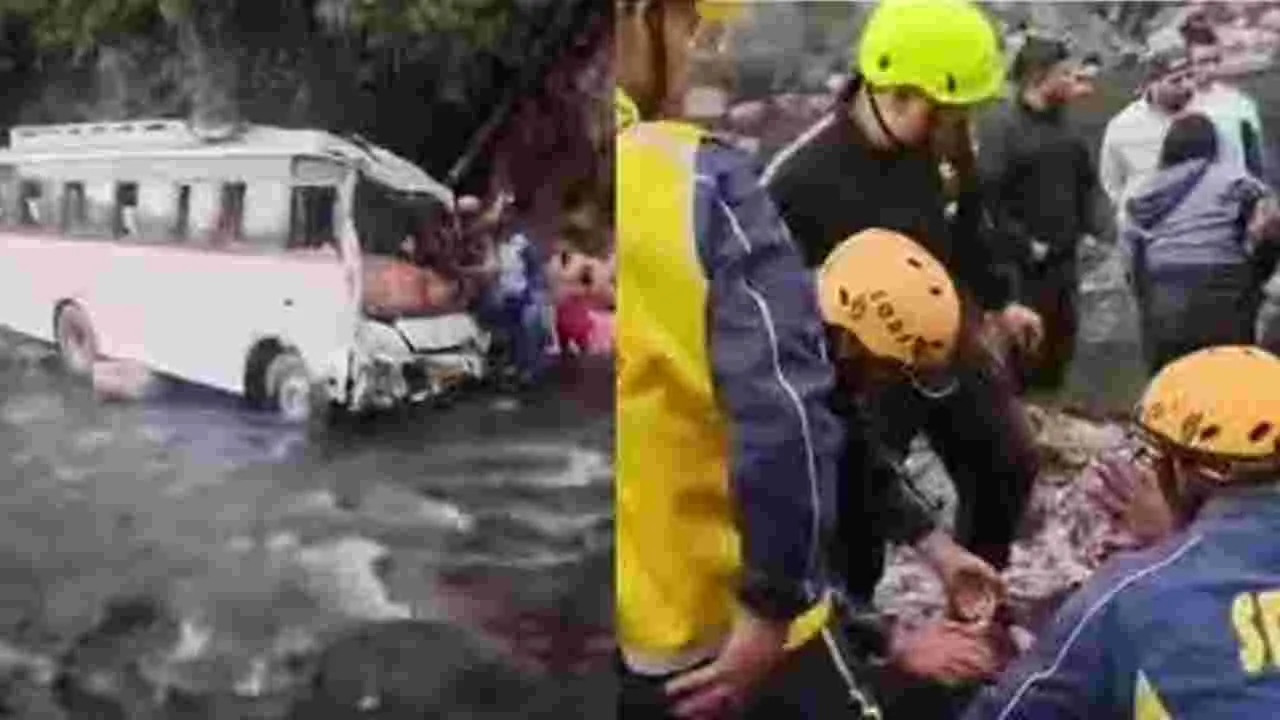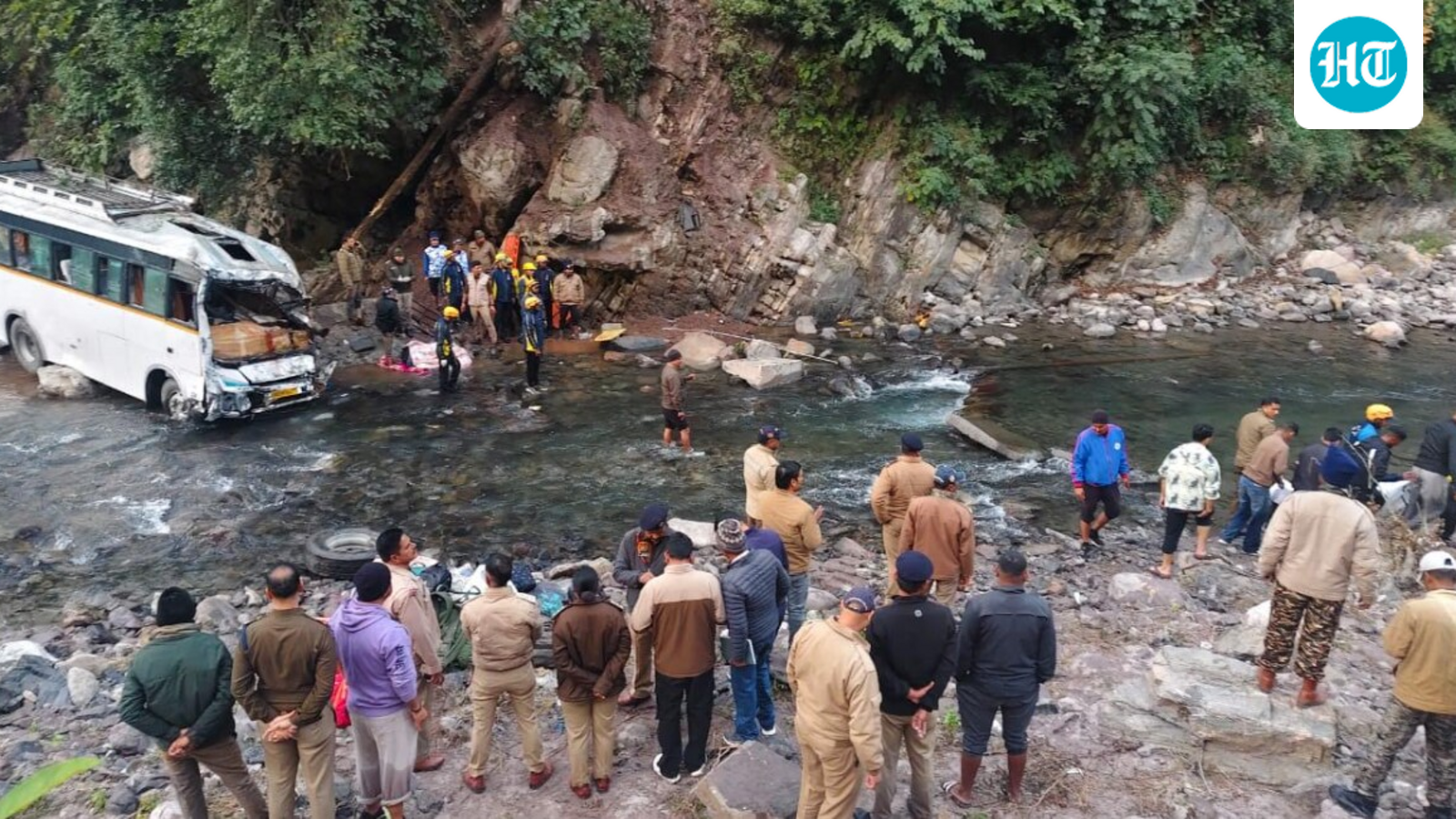
For anyone who has ever traveled the winding arteries of northern India's mountainous terrain, the sheer scale of the landscape is both a marvel and a constant, silent threat. It is a world carved by steep drops and unforgiving terrain, where the edge of the road often marks the beginning of an empty, echoing void. On a Tuesday morning, this fragile margin of safety gave way near Guler Bazaar in the Tehri Garhwal district of Uttarakhand. A bus, carrying an estimated 30 to 35 passengers on board, suddenly lost control. In a matter of agonizing seconds, the vehicle veered off the road and plunged approximately 100 meters down into a deep, rocky gorge.
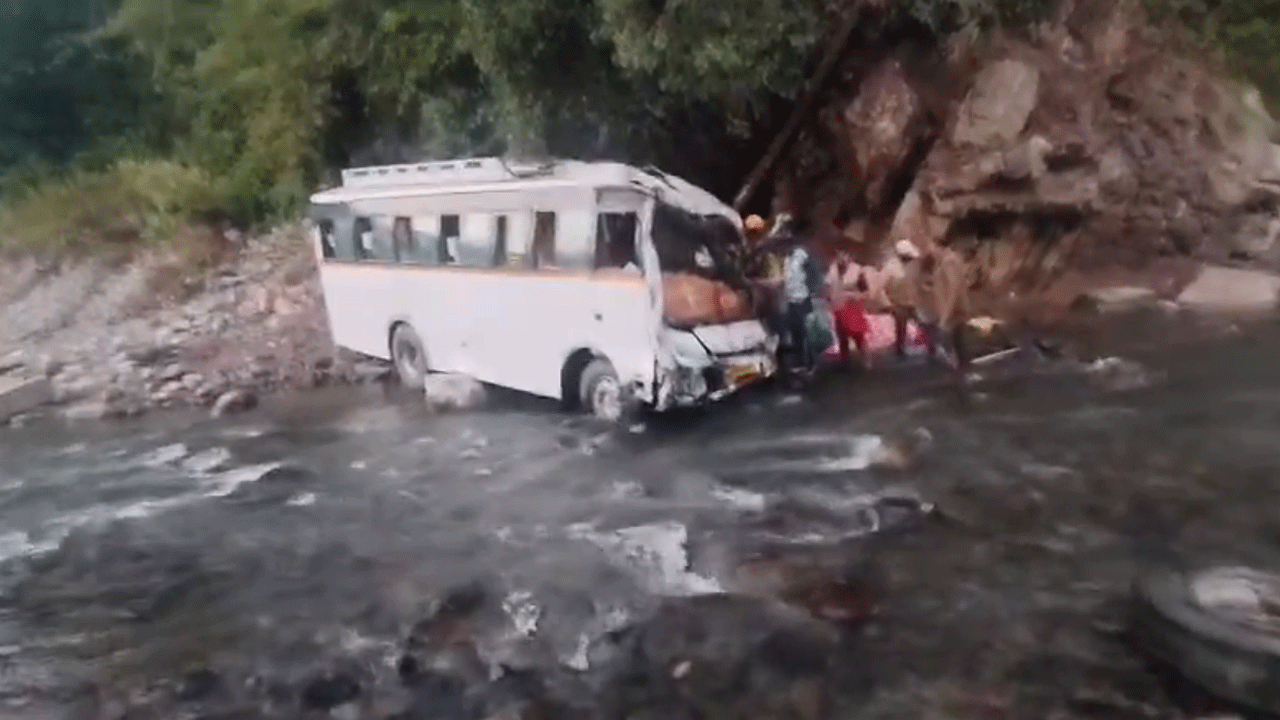
The fall was catastrophic. When the vehicle finally came to rest at the bottom of the ravine, the toll on human life was immediate and devastating. Eight people lost their lives in the twisted wreckage, their journeys cut short in an instant. All around them, survivors grappled with unimaginable trauma; 26 other passengers sustained severe injuries, turning the quiet mountain slope into a scene of acute suffering. In spaces like these, geography amplifies every crisis, making the mere act of reaching those in need a race against time.

Driver killed, six injured as 4WD plunges into 100m ravine https://t.co/6Xe9pYdspG https://t.co/6Xe9pYdspG
Almost immediately, the machinery of emergency response swung into motion. The State Disaster Response Force (SDRF) and local police rushed to the scene to confront the steep, treacherous descent. Their mission was grim but urgent: to navigate the sheer drop, retrieve the stranded passengers from the gorge, and establish a lifeline for the wounded. Working with practiced precision in difficult terrain, rescue personnel began the arduous task of transporting the injured survivors up the slope and rushing them to nearby hospitals for urgent medical care.
News of the catastrophe quickly rippled across the nation, drawing an immediate response from the highest office in the country.
As the rescue operations unfolded below, local civilian and law enforcement leadership descended upon the site to grasp the scale of the tragedy firsthand. Tehri District Collector Nitika Khandelwal and Superintendent of Police Shweta Choube promptly visited the crash location, assessing the chaotic scene and overseeing the emergency response as officials coordinated support for the victims and their families.
News of the catastrophe quickly rippled across the nation, drawing an immediate response from the highest office in the country. Prime Minister Narendra Modi expressed profound shock at the incident, conveying his deep sorrow over the loss of life. Through his official channels, he offered his condolences to the grieving families and wished a speedy recovery to the 26 individuals who were left fighting for their health in area hospitals.
Yet, even as the nation processed the tragedy in Tehri Garhwal, it became tragically clear that the mountains were nursing a wider grief. Just a night earlier, on Monday, another severe road accident had struck the region, this time in the Rudraprayag district. A Bolero vehicle had crashed into a gorge on the Banswada-Mohan Khal road, claiming the lives of 6 people. Coming back-to-back, the two incidents underscored a relentless vulnerability on the region's roadways.
In the wake of these twin disasters, the human cost has ignited a broader reckoning among those who call these mountains home. Residents throughout the area are now urgently calling for improved road maintenance and enhanced safety measures. Their demands are forged from a growing weariness over a recurring series of fatal accidents involving vehicles slipping past inadequate barriers and falling into gorges, leaving communities to wonder how many more must fall before the roads are made safe.