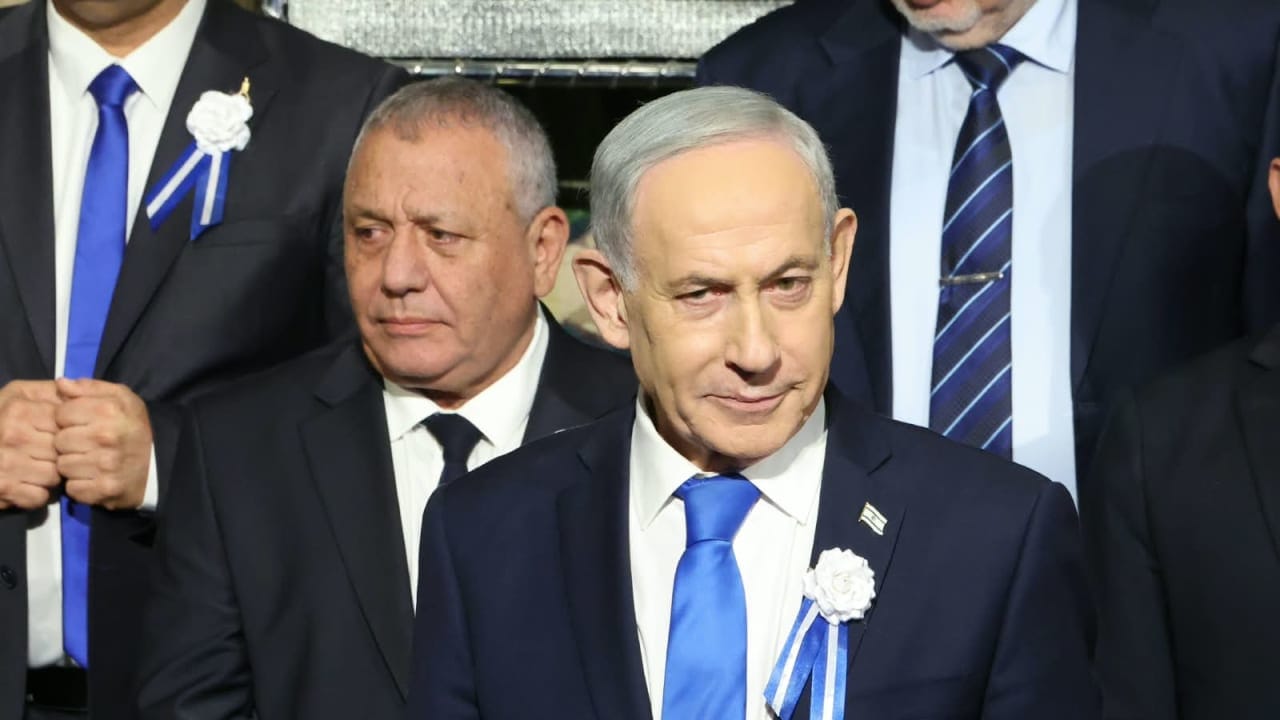
In the high‑stakes theater of Israeli politics, the space between one government and the next is rarely a quiet vacuum. It is often a period of profound tension, where the momentum of old leadership meets the uncertainty of the new. Currently, that tension has reached a boiling point, centered on a fundamental question: who holds the authority to wield the nation's military might during a moment of political transition?

On Wednesday, November 11, that question was posed not through a formal debate, but through a stark warning. Gadi Eisenkot, the head of the Yashar! party and the man tasked with the monumental responsibility of forming the next Israeli government, issued a public call for restraint. His target was the outgoing Prime Minister, Benjamin Netanyahu. Eisenkot’s message was clear: in this delicate window of time, the impulse toward military action must be tempered by prudence.
The friction follows a speech delivered by Netanyahu on Tuesday to the new parliament. In a tone described as alarmist, the Prime Minister painted a picture of a nation on the precipice. He spoke of an "existential threat" posed by Iran’s nuclear program, warning that the international community might soon exert pressure to accept an Iran armed with nuclear weapons. "Iran is working to reconstitute the nuclear threat," Netanyahu remarked, framing the issue as an imminent crisis that demands attention.
For Eisenkot, the timing of such a response is as critical as the threat itself.
This rhetoric of urgency serves as the backdrop for the current political standoff. For Netanyahu, the threat is immediate and requires a decisive response. For Eisenkot, the timing of such a response is as critical as the threat itself. Eisenkot argued that any major military initiatives should wait until a new government, possessing the full confidence of the Knesset, has been sworn in. He urged the Prime Minister to show "restraint and prudence in the face of dangerous initiatives that can wait for the swearing‑in of a new government benefiting from the confidence of the Knesset."
The legislative elections held on October 27 have left the political landscape fundamentally altered. Netanyahu, once the dominant force in Israeli politics, now finds himself navigating a landscape where his influence has significantly waned.
This lack of a broad parliamentary mandate creates a precarious environment for decision‑making. Eisenkot warned that making wide‑ranging military decisions during this transitional period could have "destructive consequences" for the very structure of the regime's political system. It is a warning about the sanctity of democratic processes: that the tools of national defense should not be used to bypass the shifting will of the people's representatives.
Beyond the abstract concerns of political structure, Eisenkot raised the alarm regarding the institutional integrity of the state. He noted that adopting major military decisions under these specific political conditions could erode public trust in state institutions and damage the foundations of Israeli democracy. "Using security forces without a direct, immediate threat could have disastrous consequences for Israeli democracy and public trust in state institutions," Eisenkot warned.
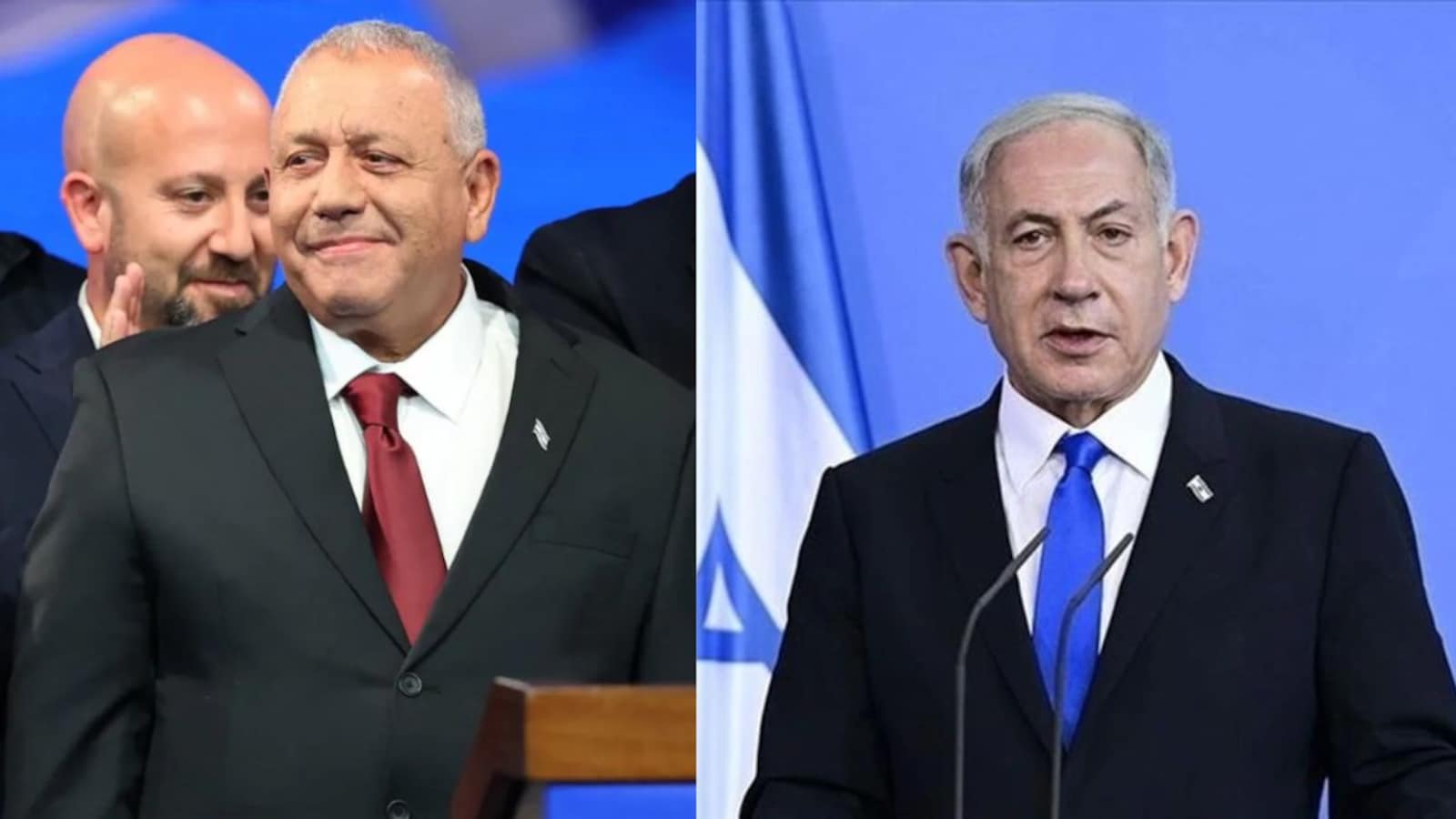
In a response to the letter, Netanyahu's office accused Eisenkot of "politicizing national security." They maintained that every decision made by the current government has been driven by strictly security‑related considerations and has been conducted in full coordination with the nation's security services.
This exchange highlights a fundamental disagreement over what constitutes a legitimate use of force. To the incoming leadership, the use of military power during a transition is a matter of democratic legitimacy, where the authority to act must be clearly anchored in a stable, representative government.
As the dust settles from the exchange, the clock continues to tick. The political transition is not an indefinite period of waiting; there are deadlines and expectations that must be met. For Eisenkot, the mission to form a stable government is the priority, a task that carries its own immense pressures as the political landscape continues to reorganize itself following the October elections.
For now, the nation remains in a state of watchful waiting. The tension between the perceived necessity of immediate military response and the requirement for democratic stability remains unresolved, leaving the country to navigate the narrow path between an existential threat and the preservation of its democratic institutions.