For the passengers aboard the Kolkata-Sairang Express, the early hours of the morning began with the rhythmic, predictable hum of long-distance travel. The journey had been uneventful as the train passed through Guwahati. For those in the pantry car, the atmosphere was quiet, with many passengers still asleep as the sun began to rise. There was no immediate indication that the morning would be anything other than routine.
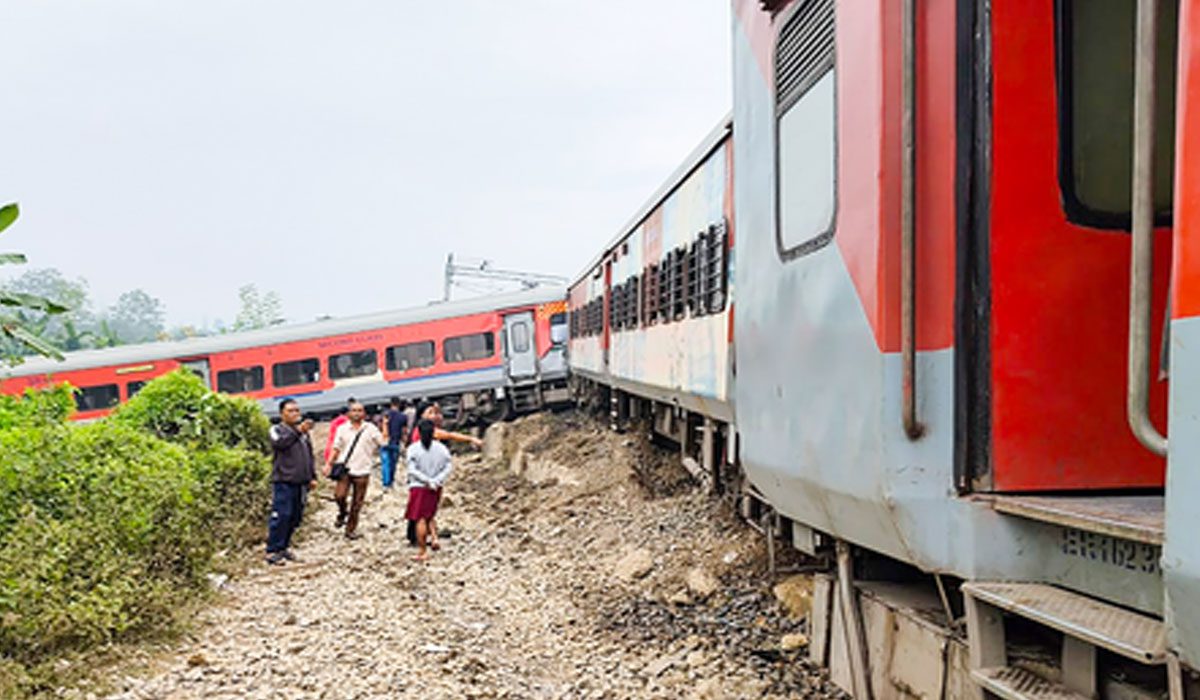
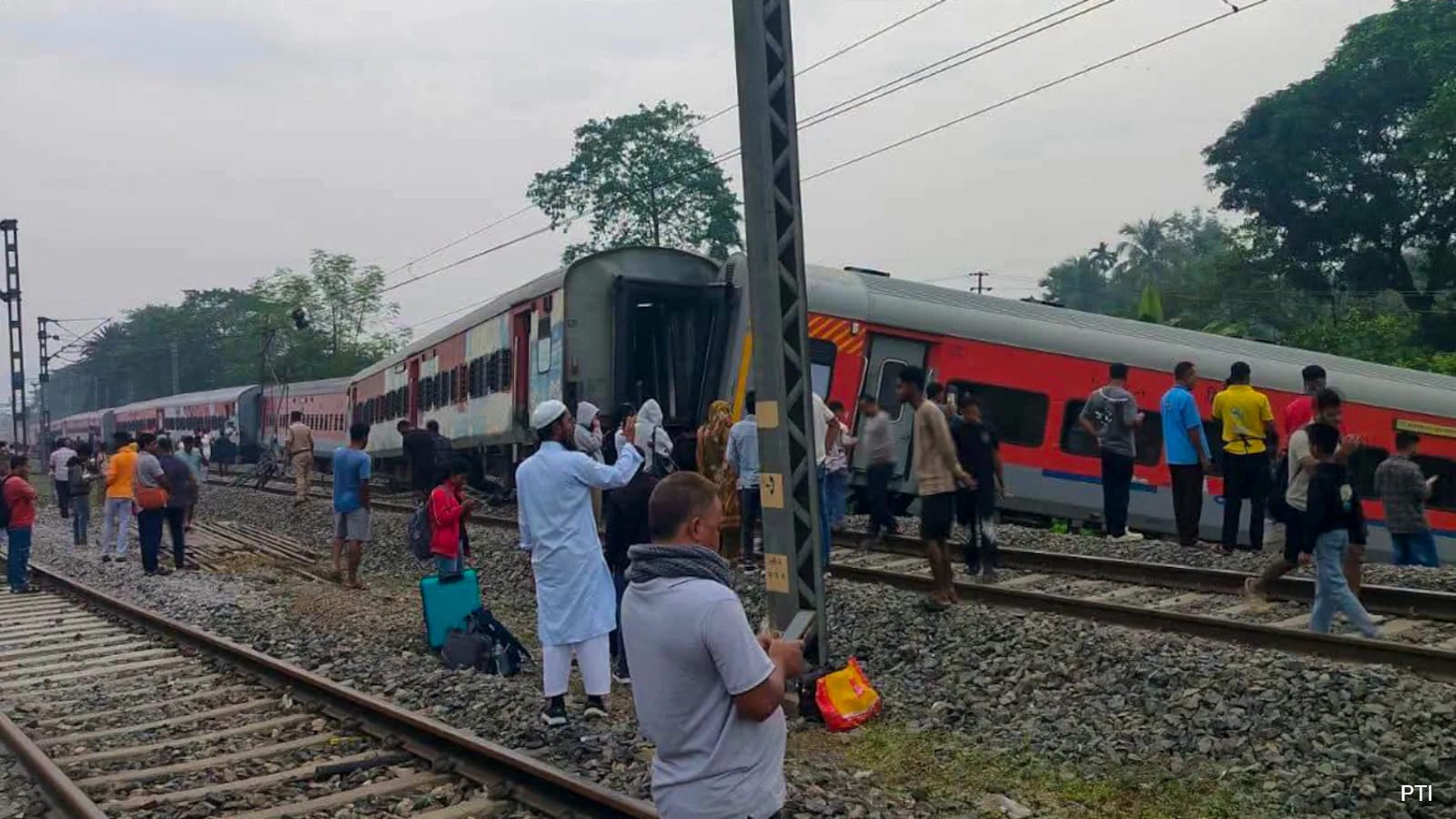
As the train approached Digaru railway station in Assam's Kamrup (Metropolitan) district, the pace began to change. At approximately 6:54 a.m., the train slowed down, presumably to navigate the station platform. It was at this moment that the normalcy of the trip shattered. According to Sharma, as the train crossed the platform, a sudden, inexplicable sound echoed through the carriages. Moments later, the sensation of the engine leaving the tracks became undeniable. What followed was a terrifying experience: the train, now derailed, continued to lurch forward for approximately one kilometer, dragging the momentum of the steel carriages along the track bed before finally coming to a halt.

Several coaches of #KolkataSairangExpress train derailed at Digaru railway station in #Assam early November 11,after the loco pilot failed to control the train’s speed while giving precedence to another train. https://t.co/sKObKdI5y2
In the immediate aftermath, a video surfaced that captured the frantic reality inside the locomotive. The driver could be heard reporting a critical failure, stating in Hindi, "Signal red hai... emergency laga hua hai, lekin kaam nahi kar raha hai. Kuch bhi kaam nahi kar raha hai." The driver's account suggested a catastrophic failure of the emergency braking systems at a time when the signal was set to red. This account stands in contrast to the official position of the Northeast Frontier Railway, which stated that the pilot failed to control the train's speed while attempting to give precedence to another train passing through the station.
Despite the jarring nature of the derailment—which saw the locomotive and five coaches leave the tracks—the outcome was remarkably fortunate.
Despite the jarring nature of the derailment—which saw the locomotive and five coaches leave the tracks—the outcome was remarkably fortunate. Chief Minister Himanta Biswa Sarma confirmed that all passengers were safe, though the incident was not without physical cost. Four individuals sustained minor injuries during the derailment and were transported to the Sonapur Primary Health Centre for treatment. The Chief Minister emphasized that his administration was working in close coordination with the Ministry of Railways to manage the situation and ensure that all passengers were provided with alternative transport to reach their final destinations.
As rescue operations were launched to clear the site and restore normalcy to the rail corridor, the incident left passengers shaken. The sight of the derailed coaches at Digaru station served as a stark reminder of the complexities inherent in maintaining safe rail infrastructure. While the Northeast Frontier Railway continues its assessment of the site and the circumstances leading to the derailment, the focus remains on the restoration of movement. For those on board, the memory of the train moving for a kilometer after the derailment remains the most vivid detail of a morning that nearly turned into a tragedy.