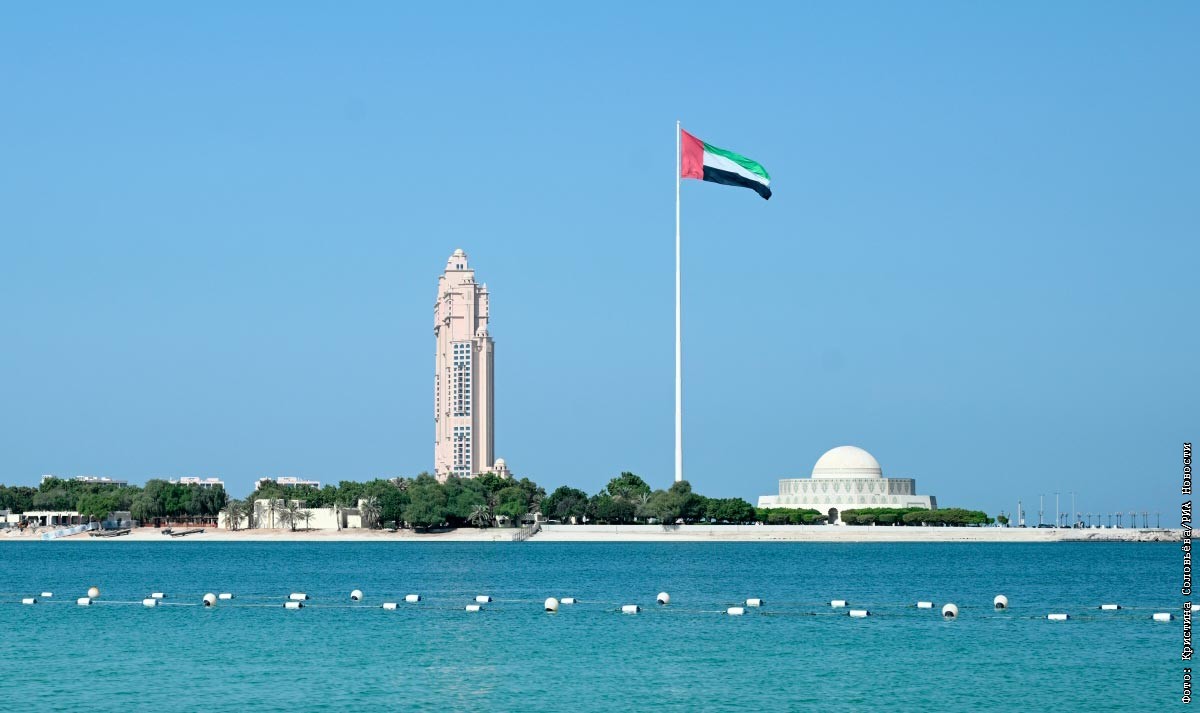
In a significant development for the ongoing Ukraine conflict, a Russian delegation has departed for Abu Dhabi in the United Arab Emirates. The journey marks the latest diplomatic effort to address the war, with trilateral negotiations scheduled for November 10 and 11. These talks will bring together representatives from Moscow, Kyiv, and Washington in a carefully orchestrated diplomatic process aimed at finding a path toward peace.
According to an informed source, the Russian delegation has left for Abu Dhabi to participate in trilateral negotiations involving the US and Ukraine.
While the core negotiations involve only Russia, Ukraine, and the United States, European allies are maintaining a presence in Abu Dhabi. NATO has sent Jeffrey van Leeuwen, Chief of Staff to Secretary General Mark Rutte, to join a European support group. This coalition includes representatives from the European Council, Germany, France, and the UK, demonstrating continued Western engagement in the peace process despite not being direct participants in the trilateral talks.
As Rustom Umerov stated, "The goal of Ukraine is long-term peace, security guarantees, and real opportunities for the country's reconstruction.
According to Russian Foreign Minister Sergey Lavrov, the upcoming meeting in Abu Dhabi will focus on "agreeing on the principles that will be approved at the end of negotiations on a comprehensive settlement in Ukraine." This suggests the talks aim to establish foundational elements that could guide future peace discussions. The agenda reportedly includes security guarantees, de-escalation measures, humanitarian issues, and further steps toward a peaceful settlement.
Ukrainian officials have articulated their goals for the negotiations. As Rustom Umerov stated, "The goal of Ukraine is long-term peace, security guarantees, and real opportunities for the country's reconstruction." This framing suggests Ukraine is approaching the talks with a focus on both immediate security concerns and long-term recovery.
The negotiations represent a complex diplomatic dynamic. As Dmitry Peskov, Kremlin Press Secretary, noted, the talks in Abu Dhabi are planned "without European participation." This exclusion highlights the specific structure of the forum, with the United States serving as a bridge between European allies and Russia in this particular context. The absence of direct European involvement may create space for focused discussions among the three primary parties.
As the delegations gather in Abu Dhabi, the international community watches closely. The talks represent a significant diplomatic effort to address the Ukraine conflict, with potential implications for the trajectory of the war and the broader geopolitical landscape. Whether these discussions will yield concrete results or remain preliminary steps in a longer negotiation process remains to be seen, but the mere fact of these high-level talks signals that all parties recognize the need for diplomatic channels to remain open.

Beyond the geopolitical calculations, the negotiations carry profound human significance. The discussions about humanitarian issues and de-escalation directly impact millions of lives affected by the conflict. As the parties convene in the Persian Gulf, the hopes of those suffering from the war hang in the balance, with the potential for these talks to offer a glimmer of hope for a more peaceful future.