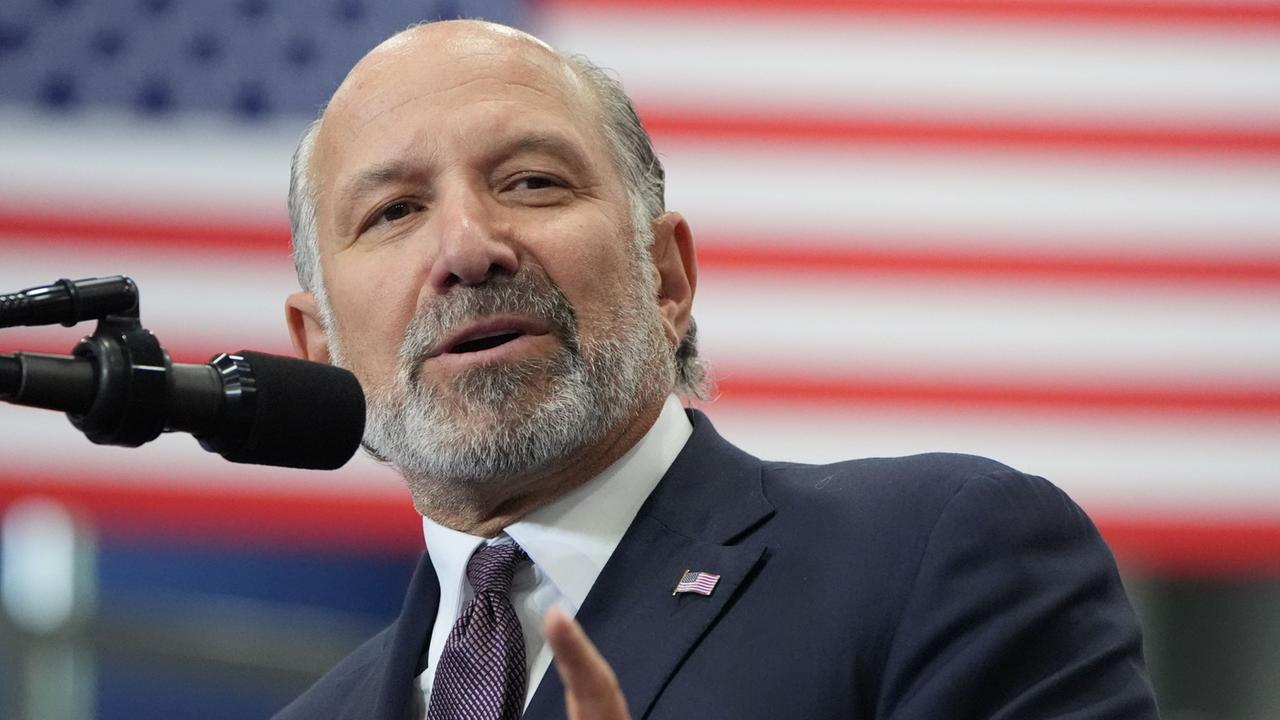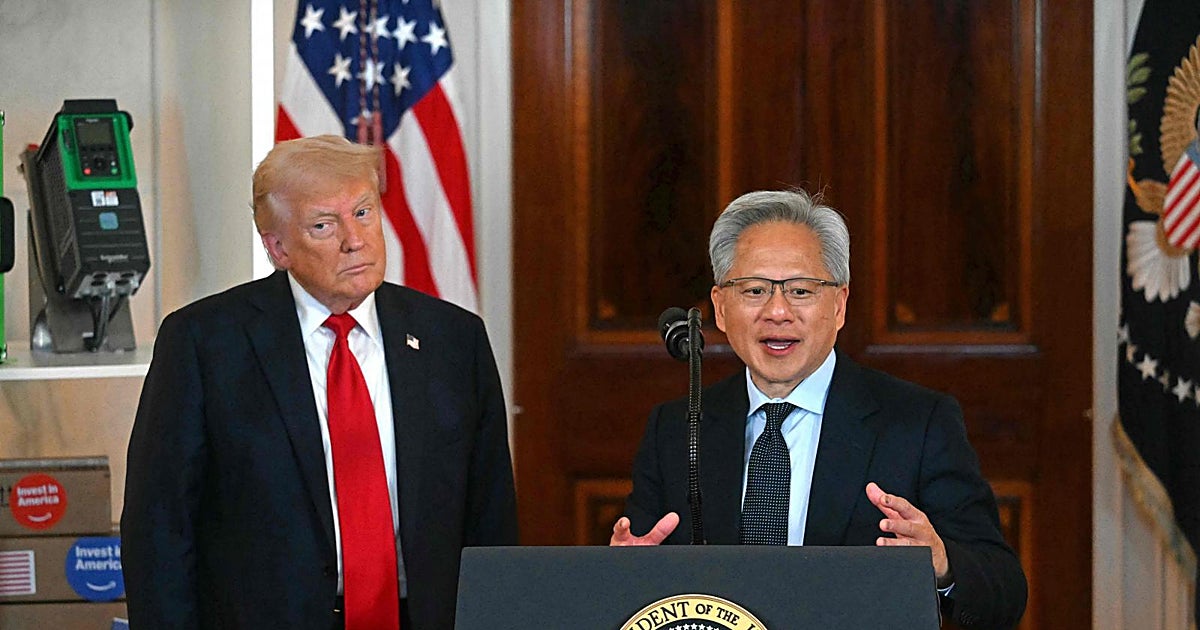
The scandal surrounding Nvidia has ignited an internal conflict within the White House, focusing on the export of advanced U.S. microchips to China. Treasury Secretary Scott Bessent has publicly accused Commerce Secretary Howard Lutnick of allowing Nvidia's most advanced semiconductors to reach China, despite existing U.S. restrictions. ## The Accusations Bessent's accusations came on the heels of Jensen Huang's resignation as Nvidia CEO. Bessent claims the Treasury and other agencies have pushed for months to blacklist Megaspeed, a Singapore-based firm allegedly involved in facilitating the chip exports to China. ## Megaspeed and the Blacklist Megaspeed, reportedly led by Alice Huang, who U.S. intelligence describes as a Chinese spy, is at the center of the controversy. Bessent told CNBC, 'We have been in favor of putting Megaspeed on the list for months. But the Commerce Department has the pen for that.' This highlights the inter-agency tension over the blacklisting process. ## The Role of the Commerce Department The Commerce Department, under Lutnick's leadership, holds the authority to blacklist companies like Megaspeed. However, Bessent's criticism suggests the department has been slow to act, raising questions about its handling of chip export restrictions. ## The Current State of the Controversy The dispute between Bessent and Lutnick continues to escalate, reflecting broader U.S. concerns about China's access to advanced AI technologies. As the situation unfolds, the focus remains on the Commerce Department's next steps and the implications for U.S.-China tech rivalry.